
At Best Buy Waterproofing, we understand the stress of discovering water seeping through your basement wall. It’s a common problem that demands immediate attention, as it can threaten your foundation, create health risks, and decrease property value.
When you notice water trickling down concrete or puddles forming at wall-floor joints, your basement is signaling a serious issue. Let us explain what’s happening behind those wet spots.
Most basement wall leaks stem from hydrostatic pressure—when soil around your foundation becomes saturated with water from heavy rain or poor drainage. This pressure finds weak points in your foundation, particularly where the basement wall meets the floor. Foundation cracks and plumbing issues can also create entry points for moisture.
Through our extensive experience across the mid-Atlantic region, we’ve found that water-soaked soil pressure is the primary culprit behind basement water problems. This isn’t just about convenience—it’s about protecting your home’s structural integrity and your family’s health. Moisture creates ideal conditions for mold growth and can weaken crucial support structures.
Don’t worry—Best Buy Waterproofing is here to help. We’ll guide you through understanding your basement wall leak’s cause and implementing lasting solutions. Let us show you the warning signs, explain the risks of ignoring the problem, identify common water entry points, and demonstrate how our proven solutions can keep your basement dry and your family safe.
What Causes Basement Walls to Leak?
Understanding why your basement wall is leaking is crucial for effective repairs. Through helping thousands of mid-Atlantic homeowners, we’ve identified five main causes.
Hydrostatic pressure from saturated soil
Water weighs approximately 60 pounds per cubic foot. When rainwater or snowmelt saturates the soil surrounding your foundation, it creates immense pressure against your basement walls—like a heavy, wet blanket pressing against your foundation.
The situation worsens because of the backfilled soil around your home, especially in the 10-foot zone nearest to your foundation. This disturbed soil acts like a sponge, expanding as it absorbs water. During spring thaws or extended rainy periods, this pressure becomes particularly problematic.
In our service area, we consistently see this issue. The water inevitably seeks the path of least resistance into your basement.
Foundation cracks from settling or shrinkage
Water finds its way through foundation cracks, which develop in several ways:
Settlement cracks occur as your house settles into the ground. Multiple cracks wider than a hairline often indicate progressive foundation settling that typically worsens over time.
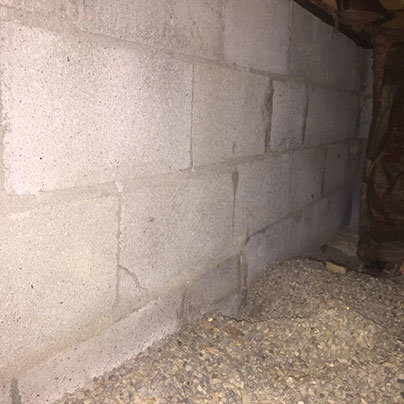
Shrinkage cracks form during concrete curing, usually within the first month after pouring. While common, these are generally manageable.
Horizontal cracks are most concerning, indicating serious external pressure on your foundation, often from freeze-thaw cycles. Vertical cracks can reveal whether your foundation is dropping centrally or heaving at the edges.
Poor exterior drainage and grading
When your yard slopes toward your house instead of away, you’re directing water straight to your foundation. Common issues include:
- Overflowing gutters near foundation walls
- Broken downspouts dumping water by your house
- Improperly sloped patios and decks
Our region’s clay-heavy soils compound these problems by retaining water against your foundation.
Porous concrete or block walls
Despite appearing solid, concrete contains tiny pores that allow water penetration:
- Improperly mixed concrete develops weak spots
- Block wall hollow cores collect water
- Mortar joints crack under pressure
Even well-constructed foundations eventually succumb to constant water pressure.
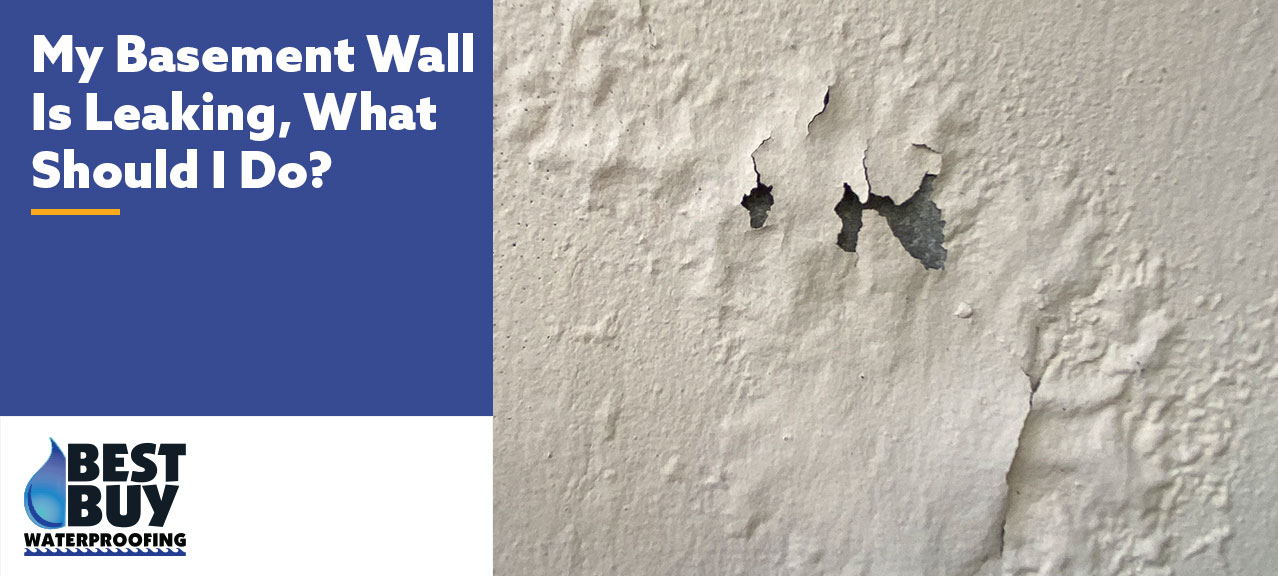
Water stains running down walls are obvious red flags of moisture intrusion. But sometimes, water damage isn’t so visible. Watch for paint that’s peeling, flaking, or bubbling on basement walls – this often means moisture is lurking beneath. Bulging or uneven walls typically indicate trapped water behind the surface.
Efflorescence: white powdery residue
Notice chalky white deposits on your basement surfaces? That’s efflorescence – salt deposits left when water evaporates from concrete or brick. While not harmful to health, it’s a clear sign of moisture problems.
Musty odors or mold patches
That classic “basement smell” isn’t normal – it signals moisture issues. Mold grows within 48-72 hours in damp conditions, thriving in dark, wet spaces. Even if surfaces appear dry, musty odors mean hidden moisture. Once humidity hits 50%, mold proliferates rapidly.
Wet carpet or baseboards near the wall
Damp carpet needs immediate attention – it’s often the first warning of water infiltration. Check baseboards for moisture, warping, or separation from walls. Water moves quickly, damaging subfloors and creating ideal mold conditions.
Early detection is crucial. Let Best Buy Waterproofing help before small issues become costly repairs.
What Happens if I Ignore a Leaking Basement Wall?
Hoping your leaking basement wall will fix itself? That’s a costly mistake. Water issues worsen over time, not improve. We’ve helped countless mid-Atlantic homeowners who delayed calling us.
Here’s what procrastination costs you:
Mold starts growing in 48 hours
Water enters today, mold appears tomorrow. Within 24-48 hours, mold colonizes damp surfaces in your dark, poorly ventilated basement. Studies show 69% of basements face mold issues.
The health risks are significant – from allergies and breathing problems to eye and skin irritation. Black mold poses even greater threats, especially for those with compromised immunity.
Your belongings become casualties
Water destroys indiscriminately. Photo albums and documents absorb moisture first. Fabrics shrink permanently. Leather furniture develops mold within days.
Structural damage accelerates
Rising humidity attacks your home’s wooden framework. Support beams weaken, floor joists rot, and sill plates deteriorate, threatening structural integrity.
Your foundation pays the price
Minor cracks evolve into major failures. Water erodes foundation materials through freeze-thaw cycles and chemical breakdown.
At Best Buy Waterproofing, we’ve seen the consequences of waiting. Early action protects your home, wallet, and family’s health.
Where Does Basement Wall Water Usually Come In From?
Foundation cracks are your home’s biggest stability threat. These openings weaken concrete foundations and let water seep in, potentially causing uneven floors and foundation shifts. As water pressure builds, cracks widen into permanent moisture pathways, risking your home’s load-bearing capacity.
Wall-floor joint (cove joint)
The junction where basement walls meet the floor is water’s favorite entry point. Since walls and floors are poured separately, this area stays vulnerable. During heavy rains, water pressure forces moisture through this weak spot first, creating edge puddles.
Pipe or utility penetrations
Every foundation pipe creates a potential leak point. Over time, pipe seals deteriorate, leading to water stains and concrete damage. Ongoing leaks around pipes can trigger mold growth and new cracks.
Mortar joints in block walls
In block foundations, aging mortar joints create water pathways. High pressure can force blocks to separate slightly, creating direct leak routes.
Cold joints in poured concrete
Construction-created cold joints occur where fresh concrete meets partially set concrete. These weak boundaries invite water infiltration, especially between walls and floors.
How Do Professionals Fix Leaking Basement Walls?
At Best Buy Waterproofing, we offer proven solutions for lasting basement dryness. Our crack injection systems use epoxy for stable cracks and expanding polyurethane foam for active leaks, ensuring permanent seals that flex with your foundation.
These injection methods provide effective, affordable solutions for most foundation cracks. Book a free basement waterproofing inspection today for a free evaluation of your waterproofing needs.
Interior Drainage Systems
Hydrostatic pressure meets its match with our interior drainage systems. We install them precisely where your wall meets your floor—the most common water entry point.
These systems capture water before it reaches your basement floor, directing it to a sump pump that safely removes it from your home. Unlike exterior drains that can clog, interior systems remain effective year-round. Most installations take just two days.
Wall Stabilization for Structural Issues
For bowing or leaning walls, stabilization comes first. Carbon fiber straps offer permanent, cost-effective solutions for walls with less than two-inch movement. More severe cases require helical tieback anchors to counter pressure and realign walls.
Vapor Barriers and Dehumidifiers
Complete moisture control often needs multiple layers of protection. Vapor barriers prevent concrete seepage while dehumidifiers maintain proper humidity. This combination stops mold growth and improves air quality.
Don’t Wait—We’re Here to Help
Your basement leak won’t improve on its own. You now understand the risks of waiting: rapid mold growth, damaged belongings, and costly foundation repairs. Best Buy Waterproofing has proven solutions ready.
At Best Buy Waterproofing, we’ve helped thousands of mid-Atlantic homeowners transform wet basements into dry, healthy spaces. Our expertise in local soil conditions and seasonal challenges ensures effective solutions.
We’ll inspect your home, identify the cause of your basement wall leak, and explain your options—no pressure, just solutions. Our free inspection empowers informed decisions.
Don’t face basement leaks alone. A dry basement protects your home’s value and family’s health.