
Foundation movement often starts quietly—small cracks, a sticky door, a slight slope you only notice after living in the home for a while. But catching those early changes can prevent major structural damage and keep foundation movement repair costs under control.
In this guide, you’ll learn the most reliable foundation movement signs—especially horizontal cracks, stair step cracks, bowing walls, and clues of house foundation sinking—plus when an inspection makes sense and what fixes typically involve.
What Is Foundation Movement in a House?
Foundation movement describes a shift in the base of your home—sideways (lateral) when outside soil pressure pushes walls inward, or up/down (vertical) when the structure settles or heaves. In a foundation movement house, that shifting creates stress that shows up as cracks, sticking openings, and uneven floors.
What Causes Your Foundation to Move?
Most foundation problems trace back to changing soil moisture. Expansive clay swells when wet and shrinks when dry, while poor drainage and freeze-thaw cycles can amplify pressure against foundation walls.
Other common triggers include:
- Freeze-thaw cycles that expand water in soil
- Trees pulling moisture during dry spells
- Poor grading, gutters, or downspouts sending water toward the home
If moisture swings repeat season after season, soil expands, shrinks, and shifts—creating the pressure and voids that drive movement over time.
Normal Settling vs. Real Problems
Every house settles a little. Hairline cracks under about 1/16 inch that appear early and stop changing are often normal. Cracks approaching or exceeding 1/8 inch, cracks that keep growing, or multiple symptoms at once (sticking doors, sloped floors) are more consistent with movement beyond normal limits.
Spotting Problems Before They Get Expensive
Early issues often look minor—hairline drywall cracks, one sticky door, or slight floor unevenness. More advanced damage shows up as horizontal cracks, stair-step cracking, bowing walls, and noticeable slopes; that’s when professional foundation repair becomes important.
Foundation Warning Signs That Need Your Attention Right Away
Some foundation cracks are harmless. Others signal problems that won’t fix themselves. Knowing the most reliable foundation movement signs helps you act fast when it matters most—and avoid costly repairs later.
Each crack pattern tells us something different about what’s happening under your home. Here’s what we look for during inspections.
Horizontal Cracks: Call for Help Immediately
Horizontal cracks across a foundation wall are a strong sign of lateral pressure and should be evaluated quickly—especially if you also see bowing, bulging, or water seepage.
Vertical Cracks: When Normal Becomes Concerning
Vertical cracks can be cosmetic, but watch for width near 1/8 inch, water intrusion, or steady growth—especially if doors start sticking or floors feel uneven.
Stair Step Cracks: Your Foundation Is Shifting
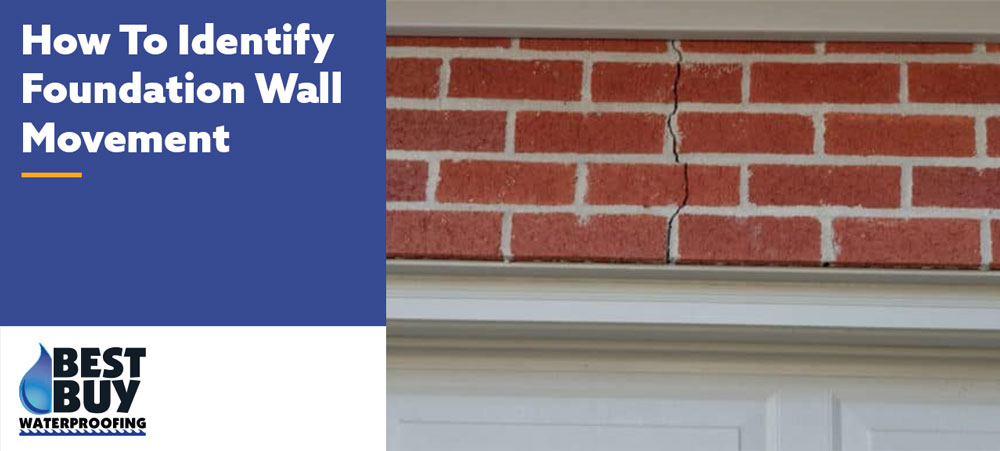
Stair step cracks in block or brick often mean uneven settlement or wall pressure. If the pattern is expanding or paired with interior drywall cracking, it’s worth getting it checked.
Bowing Walls: Soil Pressure at Work
Bowing or bulging walls indicate soil pressure is pushing inward. The more the wall curves, the more urgent stabilization becomes.
Doors and Windows That Won’t Work Right
One sticky door can be a simple fix. Multiple doors or windows sticking at once often means frames are shifting out of square.
Floors That Slope, Sag, or Bounce
Sloping, sagging, or bouncy floors can indicate settlement below—common clues of house foundation sinking that warrant a closer look.
Interior vs. Exterior Signs of Foundation Movement
Interior clues include drywall cracks, gaps at trim, and doors that suddenly don’t latch. Exterior clues include new foundation cracks, brick/mortar separation, or veneer pulling away—often partly hidden by landscaping or backfill.
Basements and crawl spaces are key: horizontal cracks, bowing walls, damp spots, or white mineral staining can show up early. Outside, watch grading and drainage—downspouts dumping near the wall or soil sloping toward the home keeps soil saturated and increases pressure, making foundation wall movement more likely.
What Happens When You Wait Too Long?
Foundation problems rarely stay the same. Small cracks can widen, water can find new paths in, and shifting can spread into walls, floors, and framing—often turning a modest fix into a major repair if ignored.
Safety and Money—Both Are at Risk
Delaying action can create safety issues (trip hazards from uneven floors, stuck exits) and increase moisture risks. It can also reduce resale value because buyers and inspectors flag structural concerns quickly.
Does Home Insurance Cover Foundation Movement?
In most cases, the answer is no—home insurance usually does not cover long-term settling, soil movement, or gradual cracking because insurers classify it as normal wear and tear or “earth movement.” Coverage may apply when the damage is tied to a sudden, covered event (for example, a burst pipe that causes an abrupt washout). If you’re unsure, document changes with dated photos and get a professional inspection report. Clear documentation helps you understand your options and supports any claim that might apply.
Early foundation movement repair is usually simpler and more localized than waiting for walls to bow further or floors to slope more. Addressing drainage and stabilizing the problem area early can prevent secondary damage and bigger bills.
Foundation Repair Solutions for Wall Movement
Foundation movement repair focuses on stopping active wall movement and stabilizing the structure. The best method depends on crack pattern and severity.
- Wall anchors: Used for bowing walls and horizontal cracks; anchors counteract soil pressure and can help straighten walls over time.
- Carbon fiber reinforcement: Strong, low-profile straps that stabilize walls with moderate bowing and help prevent future movement.
- Steel I-beams: Installed against foundation walls to provide heavy-duty stabilization when bowing or bulging is more severe.
- Piers (helical or steel): Address settlement and house foundation sinking by transferring weight to deeper, more stable soil; commonly used to lift and support sections of the home.
When to Call a Foundation Movement Repair Expert
Warning signs that demand immediate professional attention
Horizontal wall cracks or stair-step cracks in brick mean it’s time to pick up the phone. Doors or windows separating from frames, water intrusion, or problems getting worse over time all require prompt attention. The reality is simple: structural issues rarely improve on their own—they stay the same or worsen.
What to expect during a foundation inspection
You’ll meet with a certified specialist—not a high-pressure salesperson. At Best Buy Waterproofing, we inspect inside and outside your home, identify the root cause, explain what we find in plain language, and outline foundation movement repair options that fit the severity of the issue.
The inspector gathers floor elevation measurements, examines walls for damage, assesses drainage and grading, and provides a detailed written report outlining observations and recommendations. No pressure, just answers about what’s happening with your foundation.
Keep your foundation stable with proper drainage
To prevent future movement, keep water away from the foundation: maintain gutters, extend downspouts, and ensure soil slopes away from the home.
Protect Your Home Before Foundation Problems Worsen
If you’re seeing horizontal cracks, stair step cracks, bowing walls, or multiple sticking doors, don’t ignore the pattern. A short inspection can confirm what’s happening and whether you need foundation repair now or just monitoring.
Best Buy Waterproofing can evaluate the cause, explain options, and recommend the right foundation movement repair approach for your home. Acting early protects your safety, your budget, and your home’s value.