
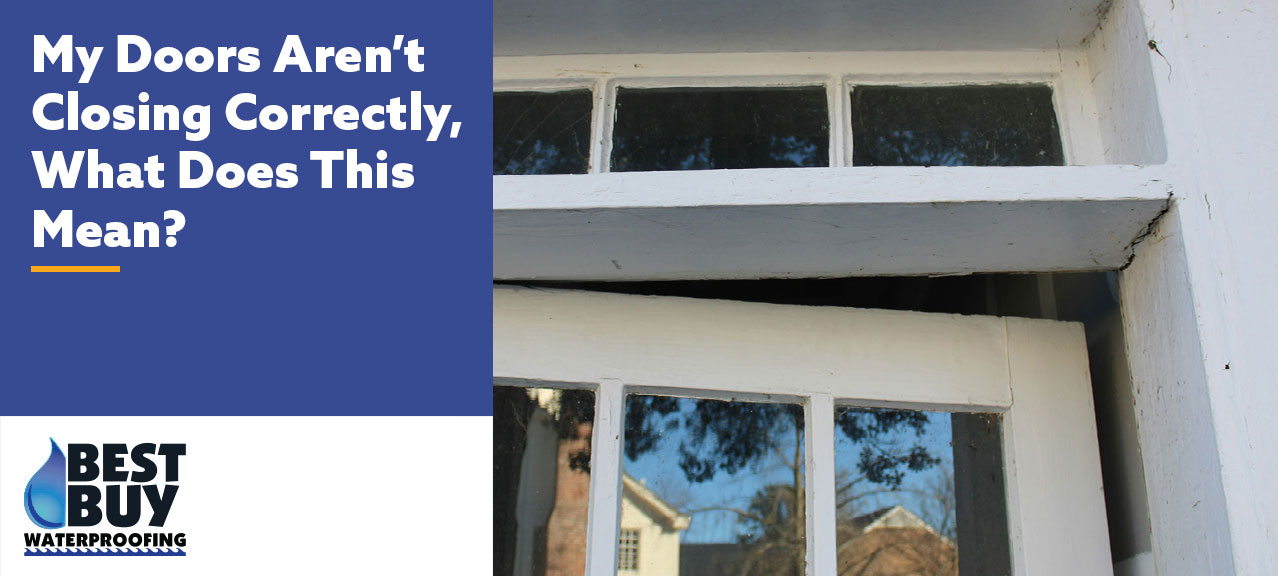
Having trouble with doors that won’t close properly? This common issue raises an important question: is it a minor fix, or could your foundation need attention?
Sometimes the solution is simple—tightening loose hinges can quickly resolve door sagging and sticking.
However, persistent door problems often indicate deeper structural concerns.
In our extensive foundation repair experience, we’ve found door issues frequently accompany foundation problems. While seasonal weather changes can cause temporary sticking, consistently problematic doors often signal foundation settlement affecting your home’s structure.
When foundations settle, door frames shift out of alignment. This misalignment prevents doors from fitting properly, leading to sticking and closing difficulties.
Are multiple doors throughout your home giving you trouble? Concerned about potential foundation settlement?
Let us help you understand these symptoms and guide you through the next steps.
Why Doors Stop Closing Properly—The Real Culprits
Several factors can prevent doors from closing correctly. Understanding the root cause helps determine whether you need a quick fix or a professional foundation repair evaluation.
Loose or Misaligned Hinges
Door problems often start with loose hinges. Regular use gradually loosens hinge screws, causing doors to sag and create alignment issues. Look for uneven gaps around the frame or doors dragging on the floor.
To check: observe the door’s movement while opening and closing. Examine the screws—if they’re loose or not gripping well, your door won’t hang properly.
The fix involves trimming the door bottom to match the new height. Most doors need 1/2″ to 3/4″ removed from the bottom edge for proper clearance. Don’t worry about the gap—it actually helps your HVAC system circulate air effectively throughout your home.
Foundation Problems vs. Simple Door Issues—How to Tell the Difference
To determine if your door problems indicate foundation issues or just need basic maintenance, examine the overall picture. Foundation problems typically present multiple warning signs throughout your home, not just isolated door issues.
Here’s what to watch for:
Cracks Appear Near Door Frames
Diagonal cracks extending from door frame corners often indicate foundation trouble. These appear when foundation shifts cause frame misalignment. Watch for diagonal cracks above doorways—they’re common signs of settlement.
Visible Gaps Between Doors and Frames
Foundation movement can pull walls out of alignment, creating gaps between doors and frames. While these gaps may start small, they often expand over time, signaling underlying structural issues.
Multiple Doors Stick in One Area
When several doors develop problems simultaneously, especially in one section of your home, foundation settlement is likely the cause. Foundation-related issues typically begin with one door before affecting nearby openings.
Weather and Soil: Why They Control Your Door Problems
Ever notice doors sticking after heavy rains or during humid summers? Your home constantly battles weather and soil conditions, which can affect door functionality over time.
Clay Soil After Heavy Rain: The Hidden Powerhouse
Clay soil expands significantly during wet periods, acting like a giant sponge. This creates tremendous pressure—several tons per square foot—against foundation walls. This force can push foundations inward or upward, distorting door frames above.
Drought Conditions: When Soil Pulls Away
During dry spells, soil contracts and creates voids beneath foundations. Without proper support, parts of your home may settle into these spaces. Shallow foundations under porches face the highest risk. When rain returns after drought, rapidly expanding soil creates additional stress.
Water Pressure: The Relentless Force
Saturated soil creates hydrostatic pressure—about 60 pounds per cubic foot—against basement walls. This continuous force can cause walls to bow or crack, affecting door frames above.
Wood Frames: Nature’s Built-In Movement
Wood naturally responds to humidity by expanding and contracting. Door frames typically experience 3-4% dimension changes with normal moisture variations. While sometimes this explains temporary sticking, other times it signals foundation issues.
Suspected Foundation Issues? Here’s Your Action Plan
If you notice warning signs of foundation trouble, take prompt action. Start with these simple tests:
Check Door Frame Alignment with a Level
Use levels to check frame alignment. Even slight deviations from plumb can indicate structural shifting.
Walk Your Foundation Perimeter
Inspect your foundation’s perimeter carefully for potential warning signs requiring professional evaluation.
Horizontal cracks indicate serious pressure concerns. Watch for vertical or diagonal cracks exceeding 1/4 inch width, stair-step patterns in brick, or expanding cracks. Bowing or bulging sections suggest excessive pressure compromising stability.
Document What You Find
Create detailed records of existing issues before seeking help.
Mark cracks with tape and monitor width monthly. Note when doors first began sticking. While weather changes may temporarily improve conditions, persistent or worsening issues need expert assessment.
Schedule Your Professional Foundation Inspection
Expert evaluation from Best Buy Waterproofing is essential when foundation problems are suspected.
A certified inspector will thoroughly assess structural integrity, examining shifting, water damage, soil movement, and drainage. While inspections have upfront costs, delaying typically leads to more extensive repairs.
We understand foundation concerns feel daunting. However, early detection and proper repairs protect your home’s future.
Don’t Wait—Get Your Foundation Checked Today
Sticking doors often signal foundation issues, not just minor annoyances.
While loose hinges and seasonal humidity cause temporary problems, multiple sticking doors combined with cracks near frames or uneven floors suggest foundation settlement.
Contact Best Buy Waterproofing today for a thorough inspection. You’ll receive honest answers about your home’s condition and clear guidance moving forward.