Home » Residential Services » Foundation Repair » Foundation Settlement Repair
Foundation Settlement Repair
- Licensed & Insured
- 5-Star Rated
- Local Business
- Transferable Warranty
Foundation Settlement Repair for Sinking and Settling Homes
Every house settles a little in its first years. The trouble starts when one part of the foundation keeps dropping while the rest stays put. That uneven movement cracks walls, pulls brick and chimneys apart, tilts floors and knocks doors and windows out of square. Foundation settlement repair stops the sinking by moving the weight of your home onto soil that can carry it. Best Buy Waterproofing has helped homeowners across the Mid-Atlantic stabilize their foundations since 2017, with one in-house team from inspection to cleanup.
A settling foundation usually traces back to the soil under the footings. Across Maryland, Virginia, DC, Pennsylvania, Delaware and West Virginia, clay and silt soils swell when wet and shrink when dry, loosely compacted fill compresses over time, and poor drainage can wash soil away from a footing. Freeze-thaw winters add more stress. Sinking foundation repair with steel push piers or helical piers bypasses that weak surface soil and transfers the load to firmer ground below.
Signs of a Sinking or Settling Foundation
Settlement is rarely even, so the signs often show up on one side or corner of the house first.
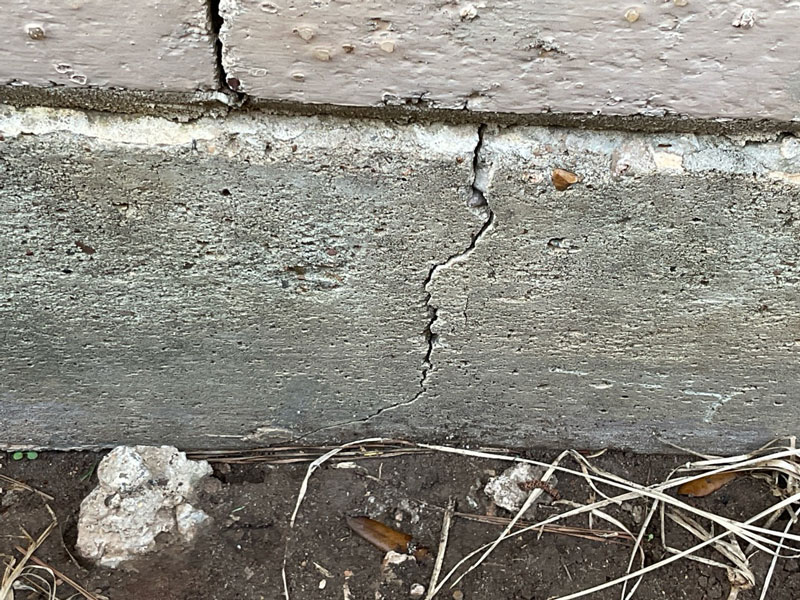
Stair-Step Cracks
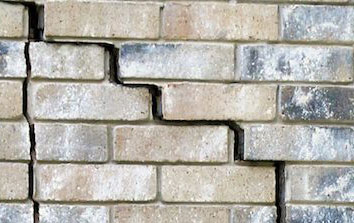
Stair-step cracks in block walls or brick, often near basement corners.
Sticking Doors and Windows
Door and window frames look skewed, and doors stick or will not latch.
Chimney Separation
The chimney leans or pulls away from the side of the house.
Gaps in Brickwork
Mortar joints open up in a stair-step pattern across exterior brick.
Sloping Floors
Floors slope toward one side or corner, or the basement slab cracks and sinks.
Wall and Ceiling Cracks
New drywall cracks above doors and windows that keep growing.
Our Foundation Settlement Repair Solutions
Finding the Cause of Settlement
Good foundation settlement repair starts with knowing where and why the house is moving. During a free inspection, we check floor levels, measure cracks, look at doors and windows, and walk the outside of the foundation. That tells us which walls or corners are sinking, roughly how far, and whether the movement looks recent or long-standing.
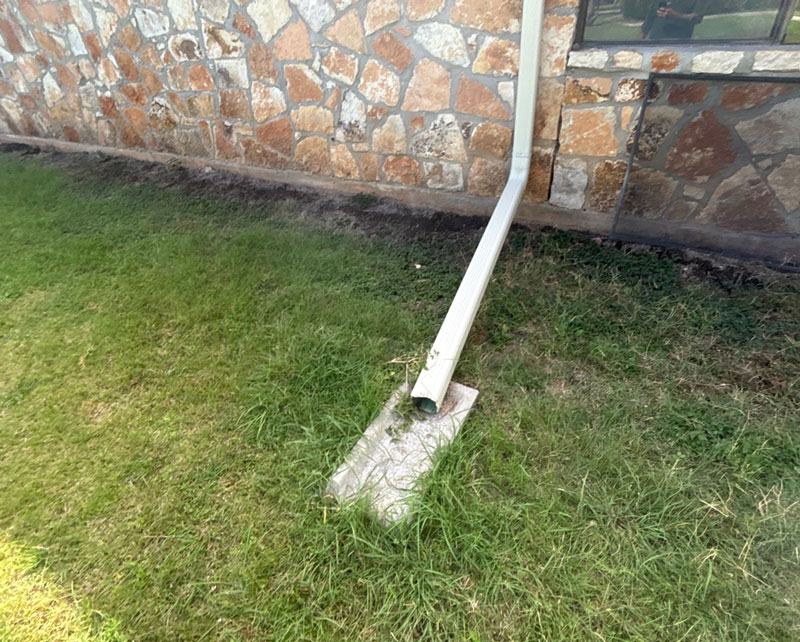
We also look at grading, gutters and downspouts, because water soaking the soil next to a footing is a common trigger for settlement. We walk you through what we found and what we recommend before any work is scheduled.
Push Piers
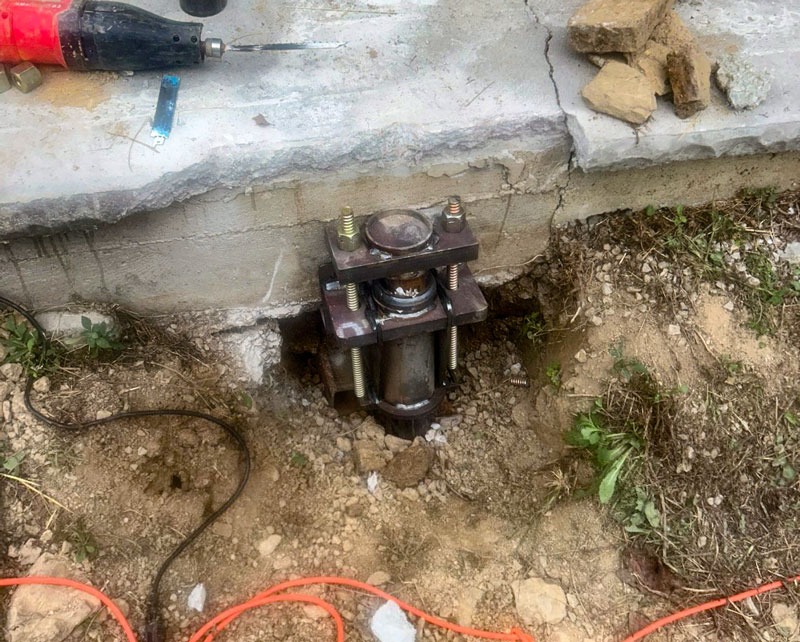
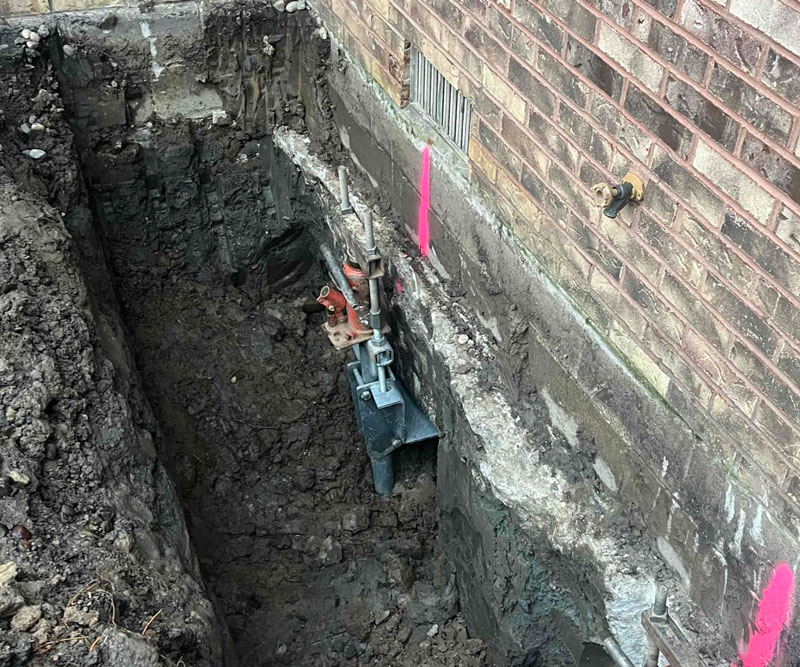
Push piers are steel pier sections driven deep into the ground beside the footing until they reach stable, load-bearing soil. A steel bracket attaches each pier to the foundation, so the weight of the house moves off the weak soil near the surface and onto the firmer layer below. Push piers use the weight of the structure itself to drive the pier to depth, which makes them a strong choice for heavier homes.
Once the piers are set, the settled section can often be lifted in a controlled way to recover as much level as the structure safely allows. We tell you what to expect before work begins.
Helical Piers
Helical piers are steel shafts with helix plates that are turned into the ground, much like a large screw, until they reach soil that can carry the load. Because they do not rely on the weight of the house to install, helical piers suit lighter structures such as porches, additions and some single-story sections of a home.
Like push piers, helical piers are tied to the footing with a steel bracket. They can be used to stabilize the foundation where it is or to help lift it back toward level, depending on the structure and how much it has settled.
Steel Beams and Load Distribution
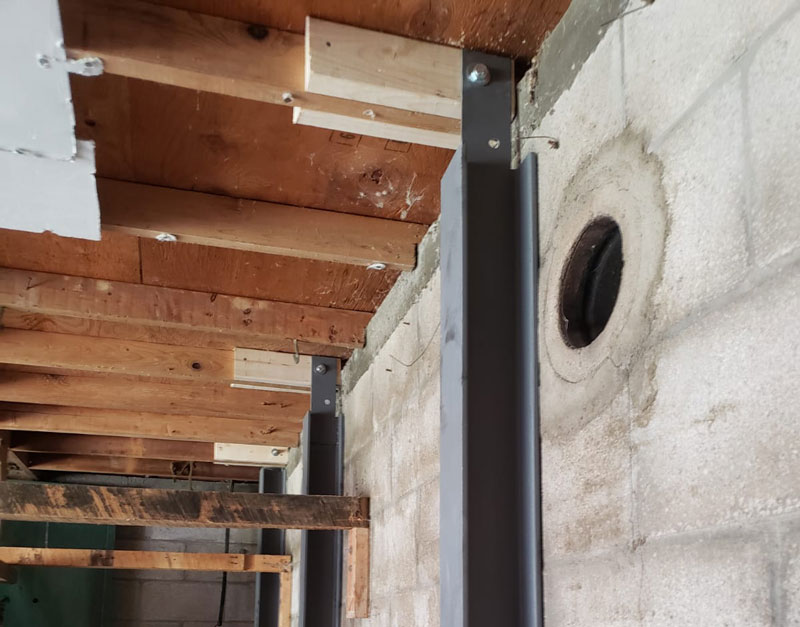
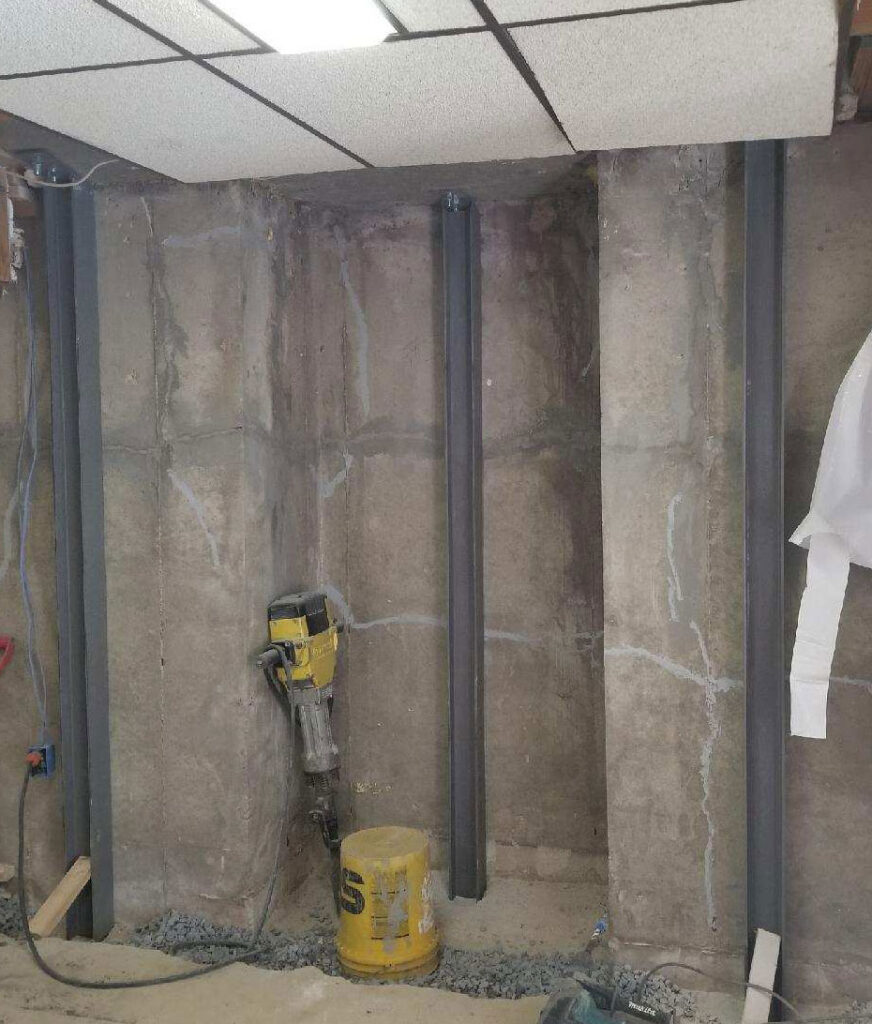
On some homes, piers alone are not the whole answer. Heavy-duty steel beams can spread the load across several piers, so no single point carries too much of the house. This matters on long walls, older stone or brick foundations and homes where settlement has affected a wide section.
We size and place beams based on what the inspection shows, then tie them into the pier system as part of one foundation settlement repair plan.
Drainage to Protect the Repair
Piers transfer the load to stable soil, but water near the foundation can keep stressing the rest of the house. Clogged gutters, short downspouts and grading that slopes toward the home let water soak the soil around a footing and can set off new movement.
Because our team also handles waterproofing, we can include drainage fixes in the same plan when the inspection shows they are needed, so a settling foundation is addressed at the cause.
Our Foundation Settlement Repair Process
Free Inspection
A specialist checks floor levels, cracks, doors, windows and drainage around the foundation.
Your Recommendation
We walk you through what we found and what we recommend, with a firm price.
Pier Installation
Our in-house crew installs push or helical piers, lifts where possible and cleans up.
Warranty Protection
Your repair is backed by a transferable warranty that stays with the home.
Why Homeowners Choose Best Buy Waterproofing
Foundation settlement repair is structural work, and the right plan depends on understanding how your home is moving. We explain what we find and recommend only what your foundation needs.
- Serving homeowners since 2017: Our team has handled foundation repair and waterproofing across the Mid-Atlantic since 2017.
- Licensed and insured: We are licensed in Maryland, Virginia, Washington DC, Pennsylvania, Delaware and West Virginia, and insured.
- One in-house team: Piers, wall stabilization, waterproofing and crawl space repair, handled by one crew.
- Free inspection and financing: Inspections and estimates are free, and financing options are available for qualified homeowners.
- Transferable warranty: Your warranty transfers with the home if you sell.
What Affects the Cost of Foundation Settlement Repair?
We do not quote foundation settlement repair from a price list, because every home settles differently. After your free inspection, you get a firm price based on what your foundation actually needs.
Area of Settlement
How much of the foundation has dropped decides how many piers are needed.
Depth to Stable Soil
Deeper load-bearing soil means longer piers and more installation work.
Pier Type
Push piers and helical piers install differently and suit different structures.
Foundation Type
Block, poured concrete, stone and brick foundations need different bracket and beam setups.
Lifting Needs
Lifting a settled section back toward level adds steps beyond stabilizing it.
Site Access
Landscaping, decks, driveways and tight spaces can change how piers are installed.
Foundation Settlement Repair FAQs
Is some foundation settlement normal?
Yes. Most homes settle slightly in their first years. The concern is settlement that keeps going or happens unevenly, which shows up as widening stair-step cracks, sloping floors and sticking doors. If those signs are growing, a free inspection will tell you whether the foundation is still moving.
What causes a settling foundation?
Clay and silt soils common across the Mid-Atlantic swell when wet and shrink when dry. Loosely compacted fill compresses, and poor drainage can wash soil away from a footing. Freeze-thaw winters and heavy storms keep that movement going, and a footing that loses support in one area starts to drop.
What is the difference between push piers and helical piers?
Both transfer the weight of the house to stable, load-bearing soil. Push piers are driven down beside the footing using the weight of the structure. Helical piers have screw-like plates and are turned into the ground, which suits lighter structures. We recommend one based on the home’s weight, the soil and access.
Can you lift my house back to level?
In many cases, yes. Once piers are in place, we can lift the settled section in a controlled way. How close we get to level depends on the structure, how long it has been settling and what it can safely handle. We tell you what to expect before work starts.
Will sinking foundation repair fix my cracks and sticking doors?
Sinking foundation repair stops the movement that causes them. Lifting a settled section often closes cracks somewhat and helps doors and windows work better, but existing cracks may still need sealing and some doors may need adjusting. We point out what to expect after the inspection.
Do you install piers from inside or outside the house?
Most pier installations are done along the outside of the foundation, with excavation at each pier location. Some situations call for interior piers. We explain where piers will go, what areas will be disturbed and how we restore them as part of your recommendation.
Do you offer financing for foundation settlement repair?
Yes. We offer financing so you can stop settlement now instead of waiting while the damage grows. We go over the available plans after your free inspection, once you know what your foundation needs.
Related Services
Popular service areas: Baltimore · Washington, DC · Arlington · Alexandria · Columbia · Frederick · Silver Spring · Wilmington · All service areas
Stop Your Foundation From Sinking
Find out where your home is settling and what it will take to stabilize it. Book a free inspection for a clear recommendation and firm price, with financing available.