Welcome to The Best Buy Waterproofing

Foundation Settlement Repair

Push Piers

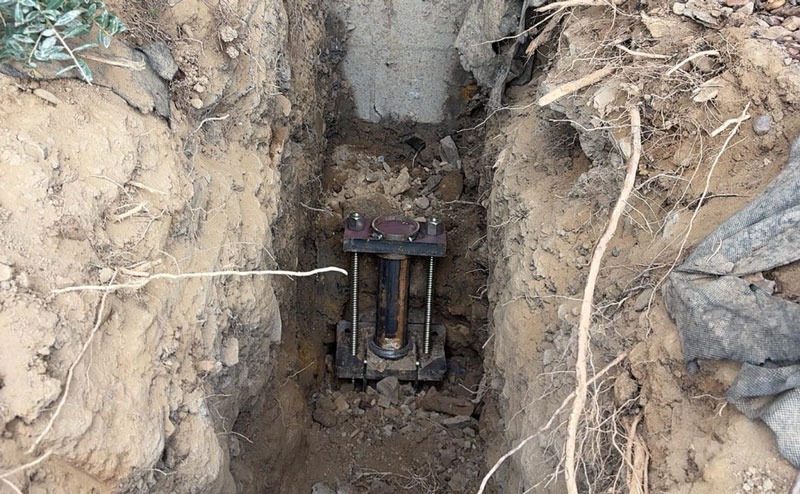
Steel foundation piers driven down to stable soil to support a sinking foundation and, where possible, lift it back toward level.

Push Piers for a Sinking Foundation

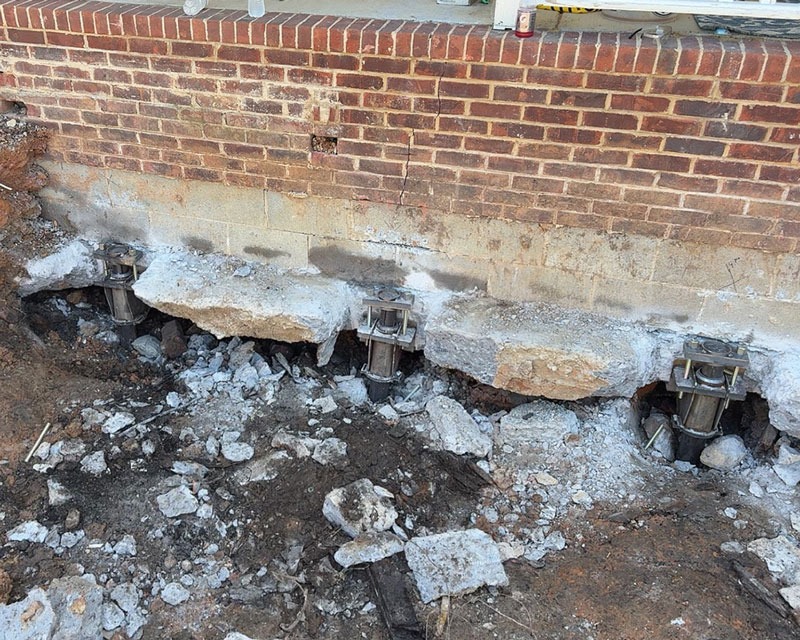
Push piers are one of the ways Best Buy Waterproofing repairs a sinking foundation. When the soil under a footing compresses, washes out or shrinks, part of the house settles and cracks start to show. Push piers are steel foundation piers driven deep into stable soil beneath your home. They act as support columns, transferring the weight of the house down to soil that can carry it, and allow controlled lifting to help correct uneven floors and misaligned doors.

Clay and silt soils are common across Maryland, Virginia, Washington DC, Pennsylvania, Delaware and West Virginia. They swell in wet seasons, shrink in dry spells and soften when drainage is poor, and that cycle can let a foundation settle unevenly. Push piers bypass those shifting upper layers and rest on firmer ground below.

Signs of a Sinking Foundation

Settlement usually shows up slowly, inside and outside the house. These are the signs that often point to push piers or other pier work.

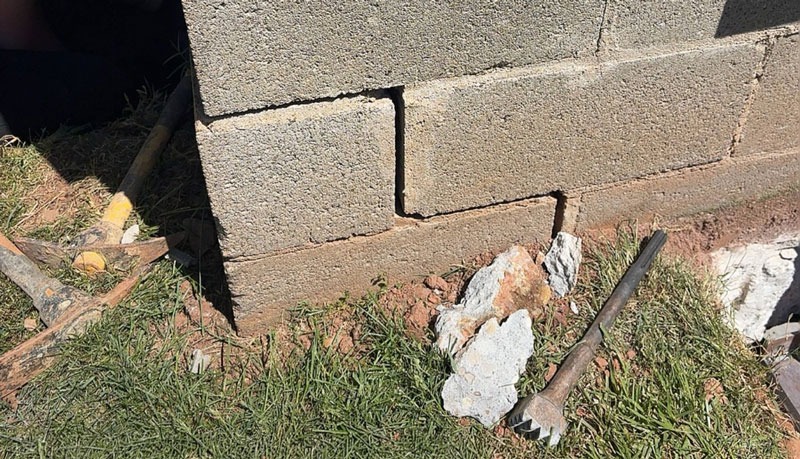
Stair-step cracks

Zigzag cracks form in basement corners or in brick along mortar joints.

Skewed doors and windows

Frames look out of square, and doors stick or will not latch.

Uneven floors

Floors slope toward one side or corner of the house.

Chimney separation

The chimney leans or pulls away from the side of the home.

Gaps in brickwork

Mortar joints open up and gaps appear in exterior brick.

Cracked basement slab

The basement floor sinks or cracks near the walls.

How Push Piers Work

Diagnosing the Settlement

We check where the foundation has dropped, how far, and why. That includes cracks, floor slope, door and window frames, and drainage around the house. The cause and pattern of settlement decide whether push piers, helical piers or another repair fits.

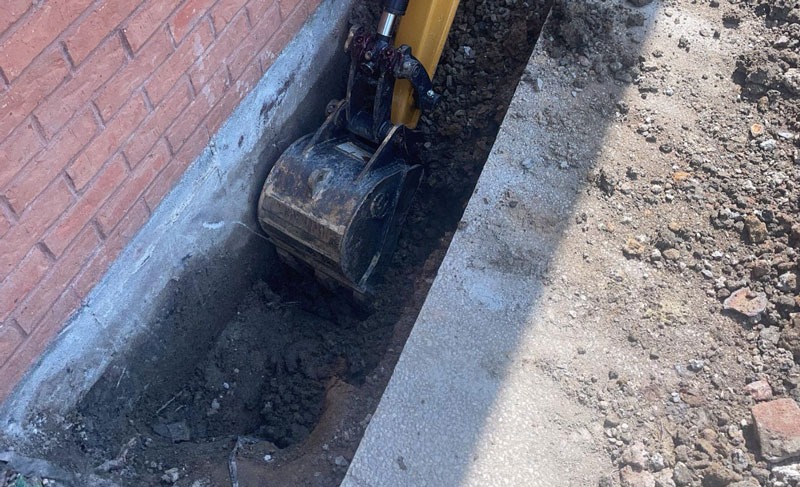
Excavating and Attaching Brackets

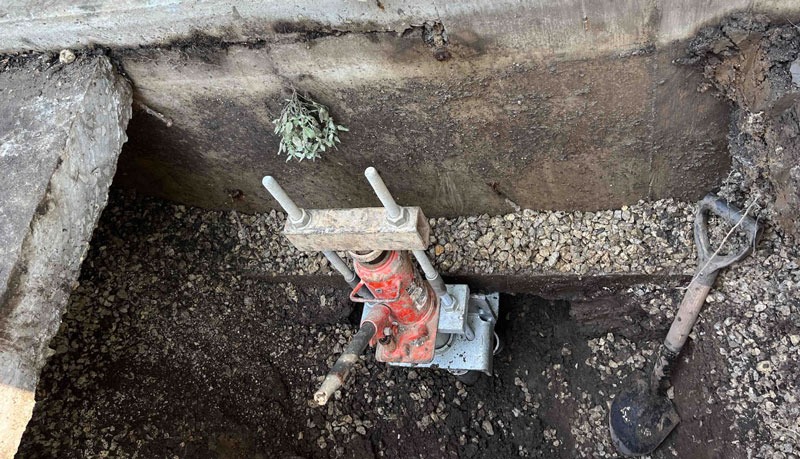
We dig small, targeted access holes along the settled section of the foundation to expose the footing. A steel bracket is then attached to the footing at each pier location. Many installations can be done from outside the home, which keeps disruption inside to a minimum.

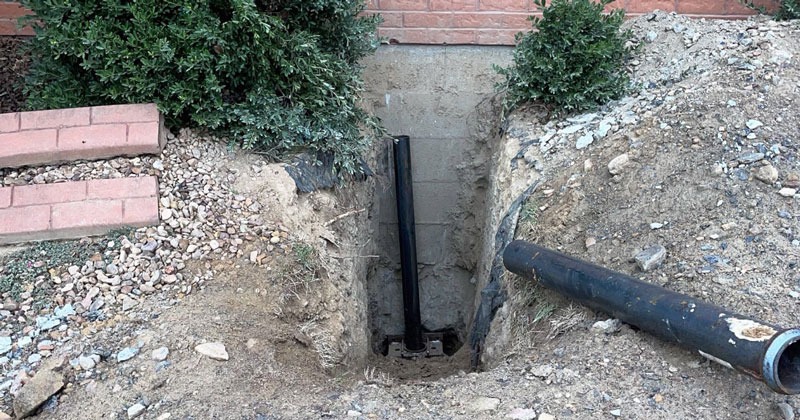
Driving Piers to Stable Soil

Steel pier sections are pushed down through the bracket, one after another, until they reach stable, load-bearing soil. Push piers are typically driven hydraulically, using the weight of the house itself as resistance, which is why they are generally suited to the main foundation of a home rather than lighter structures.

Transferring the Load and Controlled Lifting

Once the piers are set, the weight of the house is transferred from the weak soil to the piers. Where the structure allows, we use controlled lifting to bring the foundation back toward level. How much lift is possible depends on the home, and we explain what to expect before work starts.

Push Piers or Helical Piers

Helical piers are screwed into the soil rather than pushed, and they are often used for lighter loads such as porches and additions. We recommend the pier type that fits your foundation and soil.

Our Push Pier Process

1

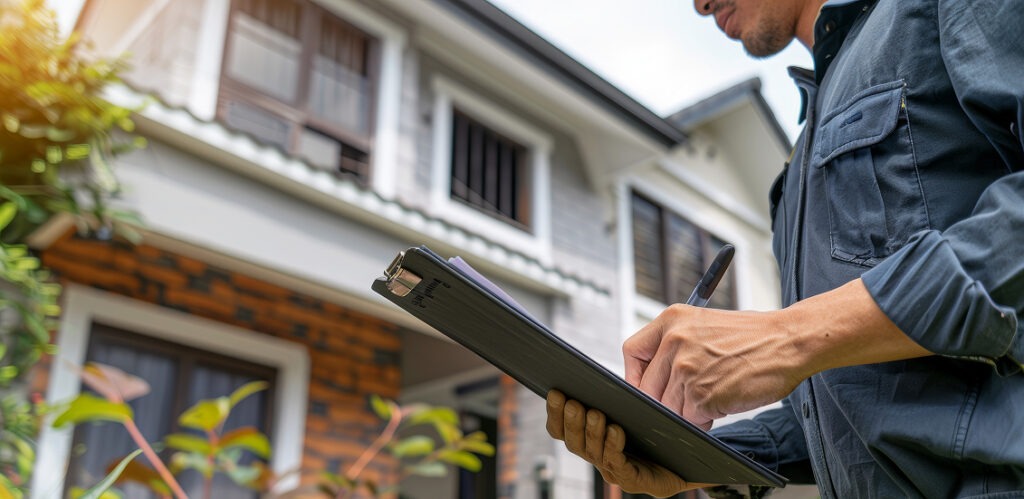
Free Inspection

We find where and why your foundation is settling.

2

Your Recommendation

We walk you through what we found and what we recommend.

3

Pier Installation

Our in-house crew installs push piers and transfers the load to stable soil.

4

Warranty Protection

Your push piers are backed by our transferable warranty.

Why Homeowners Choose Best Buy Waterproofing

Push piers are only as good as the diagnosis and installation behind them. Here is what you get with our team.

What Affects the Cost of Push Piers?

We don’t quote push piers from a price list, because every foundation is different. You get a firm price after your free inspection.

Settled area

A longer settled section needs more piers along the footing.

Depth to stable soil

Deeper firm soil means longer pier runs.

Home size and type

The structure and its weight shape the pier layout.

Access to footings

Patios, plantings or tight lots can affect digging access.

Lifting goals

Whether we stabilize only or also lift affects the work.

Drainage issues

Water problems around the foundation may need fixing too.

Push Piers FAQs

Push piers are steel foundation piers driven deep into stable soil beneath your home. They act as support columns that carry the weight of the house past weak or shifting upper soil, and they allow controlled lifting of a settled foundation.

Often they can help. Controlled lifting can correct uneven floors and misaligned doors and windows. How much a section can be raised depends on the structure, and some cracks may need separate repair. We tell you what to expect first.

Many installations are done from outside, with small access holes dug along the foundation. Some homes need piers placed from inside the basement. We explain the plan for your home during the inspection.

Push piers are pushed down using the weight of the house. Helical piers have plates that are screwed into the soil and are often used for lighter loads such as porches and additions. We recommend whichever fits.

Soil under the footing that compresses, shrinks, softens or washes out. Clay soils that swell and shrink with moisture, poor drainage and leaking downspouts are common causes across the region.

Usually not overnight, but settlement tends to continue and cracks can widen. Getting an inspection early lets you plan the repair before damage spreads to walls, floors and finishes.

Related Services

Foundation Repair

Basement Waterproofing

Crawl Space Repair

Stop Your Foundation From Sinking

Settlement tends to get worse the longer it goes. Schedule a free inspection, and we will tell you whether push piers are the right repair for your home.

Scroll to Top