
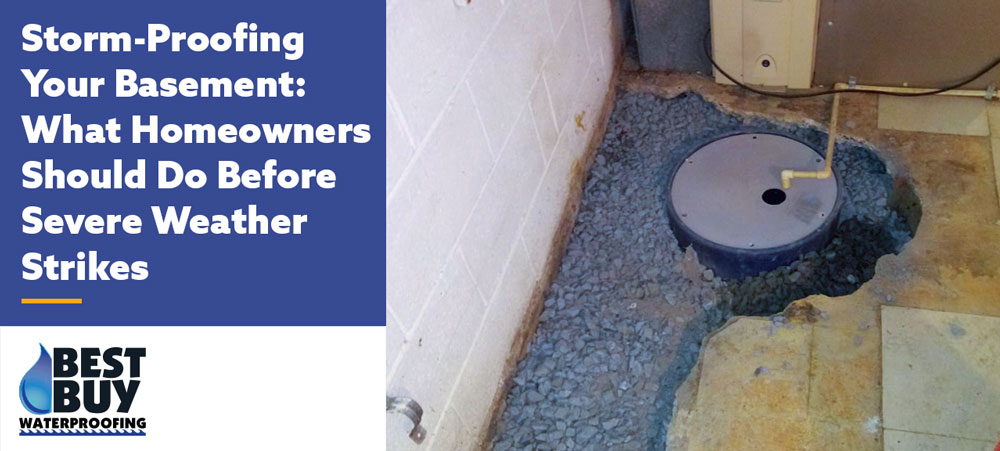
When storms hit our Mid-Atlantic region, your basement faces serious water risks. Heavy rainfall and freeze-thaw cycles create perfect conditions for flooding. Our area’s clay soil makes things worse—it holds water and pushes moisture against your foundation.
Water damage is difficult and expensive to repair. We know this is stressful.
You don’t have to wait and hope. This guide shows you exactly what to do before the next storm. We’ll walk you through warning signs, practical steps you can take now, and when to call Best Buy Waterproofing for professional protection.
Don’t let the next storm catch you unprepared—your family’s safety depends on taking action now.
Never enter a flooded basement until power is safely shut off. Even small amounts of water can cause electrocution. Water contacts outlets, appliances, or cords without warning. Gas appliances exposed to floodwater need professional inspection—controls corrode and cause dangerous leaks.
Warning Signs Your Basement Is at Risk of Flooding
Spotting trouble early prevents flooding emergencies. The numbers tell the story: 60% of U.S. homes have wet basements.
Damp Walls, Peeling Paint, or Wet Carpets
Notice paint bubbling or peeling? That’s water seeping through foundation walls, creating pressure behind paint.
Carpets feel damp or smell musty even without visible water. Moisture wicks up through concrete, creating perfect conditions for mold growth.
Musty Odors, Mold Growth, and Poor Indoor Air Quality
That musty smell? It’s mold releasing spores into your air. Here’s what matters: dampness and mold cause coughing, wheezing, and breathing problems. Mold triggers asthma attacks. If cold-like symptoms improve when you leave home, your basement’s the culprit.
Foundation Cracks That Let Water In
Foundation cracks let water in and signal structural damage. Poor drainage creates pressure that forces water through gaps. Horizontal cracks mean serious wall breakdown. Vertical cracks signal foundation movement. Stair-step cracks need immediate attention. Long horizontal cracks deserve assessment even without leaks.
Standing Water Near Walls or Drains
Standing water around drains means blockages. Water backing up signals problems. Puddles on floors result from poor drainage or foundation cracks. Mold develops within 24-48 hours in dampness.
Don’t ignore warning signs. Early action prevents expensive emergencies.
Preventative Steps Homeowners Can Take Before Severe Weather
Take action now to protect your basement before storms hit.
Improve Exterior Drainage Around Your Foundation
Start at ground level—your first defense. Soil should slope away from your foundation. You need 6 inches of slope over 10 feet.
Walk around after rain. Notice puddles? Those spots need attention. Add compacted topsoil creating slopes that push water away. Mid-Atlantic clay soil holds water longer, making proper grading critical.
Your gutters handle thousands of gallons during storms. Clean them twice yearly—debris causes overflow dumping water where you don’t want it. Check seams and downspout attachments. Here’s what matters: water must discharge 5-6 feet from your foundation. Without extensions, roof runoff goes straight to your basement.
Buried downspout leaders work great—they carry water farther without creating trip hazards.
Seal Foundation Cracks and Entry Points
Foundation cracks are open doors for water. Check corners, pipe entries, and floor-wall seams. For active leaks, polyurethane or epoxy injections create flexible seals. These materials bond into concrete and last.
Fix leaks before finishing basement rooms. Trapping moisture behind walls makes problems worse.
Window wells need attention too. Clear debris each season. Bubble covers keep rain out while letting light in. Caulk around frames and seal utility line gaps.
Prevents Structural Damage
Water attacks your foundation from the inside out. Persistent seepage weakens your home’s foundation, causing cracks and structural instability. Moisture accumulation increases hydrostatic pressure, stressing basement walls and floors. This pressure leads to cracks, wall bowing, and structural shifts.
Professional waterproofing prevents this pressure buildup, keeping your foundation intact. We seal existing cracks, stop water entry points, and reinforce weak areas.
Unaddressed water issues cause foundation settlement, cracks, and deterioration requiring costly repairs. Professional waterproofing prevents these problems, saving you from expensive future maintenance.
A waterproofing system costs less than 1% of building costs but saves this amount or more in future repairs over your home’s lifespan.
Improves Indoor Air Quality
What happens in your basement doesn’t stay there.
Best Buy will keep you dry from top to bottom, and give you and your family peace of mind.
Extreme Weather Basement Protection Checklist
When severe weather threatens, use this guide to protect your basement and respond safely if water enters.
Before the Storm Hits
- Test your sump pump by pouring water into the pit.
- Walk through your basement, checking for cracks, damp spots, and debris.
- Clear gutters and ensure downspouts direct water 4-6 feet from your foundation.
- Seal foundation cracks with hydraulic cement.
- Move valuables upstairs and unplug basement electronics.
- Pack emergency supplies in waterproof containers.
- Post emergency contacts, including Best Buy Waterproofing.
After the Storm Passes
- Shut off electricity and gas before entering flooded areas.
- Document all damage with photos.
- Remove standing water immediately.
- Run dehumidifiers continuously.
- Disinfect all surfaces.
- Call Best Buy Waterproofing for structural damage or mold.
Your safety matters most—wait for professional help when needed.
Our certified inspectors evaluate your foundation, drainage, and sump pump to identify water entry points and permanent solutions. We spot hidden issues before they cause flooding, preventing mold growth and protecting your foundation.
Contact Best Buy Waterproofing today for your free inspection.