Welcome to The Best Buy Waterproofing

Basement Waterproofing

Sump Pump Installation

New sump pumps, replacements and battery backup systems that move water out of your basement and keep running when the power goes out.

Sump Pump Installation That Keeps Your Basement Dry

A sump pump is the part of a waterproofing system that does the heavy lifting. Drains around your basement collect groundwater and send it to a pit, and the pump moves that water out and away from the foundation before it can rise onto the floor. When the pump is undersized, worn out or without a backup, the whole system is only as good as its weakest moment. Best Buy Waterproofing handles sump pump installation for homeowners across Maryland, Virginia, Washington DC, Pennsylvania, Delaware and West Virginia, with one in-house team that installs, replaces and backs up pumps.

In most homes, a sump pump is part of a larger waterproofing system, working with an interior perimeter drain or an exterior footer drain. Some homes already have a pit and pump that simply needs a better setup. Either way, we start with a free inspection. We look at how much water reaches your basement, where the existing pit and drains are, where the water discharges and whether your pump can keep up during the region’s heavy summer storms and spring thaws. Then we explain what we recommend and why.

Signs You Need a New or Better Sump Pump

These signs usually mean your basement needs a pump, a replacement or a backup before the next big storm.

Water After Storms

Water collects on the floor or along the walls after heavy rain or snowmelt.

Pump Runs Constantly

The pump cycles nonstop or struggles to keep the pit from filling during rain.

No Power Backup

Your pump stops whenever the power goes out, often during the worst storms.

Noisy or Old Pump

Grinding, rattling or a pump that has been in place for many years.

Open, Smelly Pit

An uncovered pit adds humidity and musty odors to the basement.

Water Near the Outlet

Discharged water pools near the house and finds its way back in.

Our Sump Pump Solutions

New Sump Pump Installation

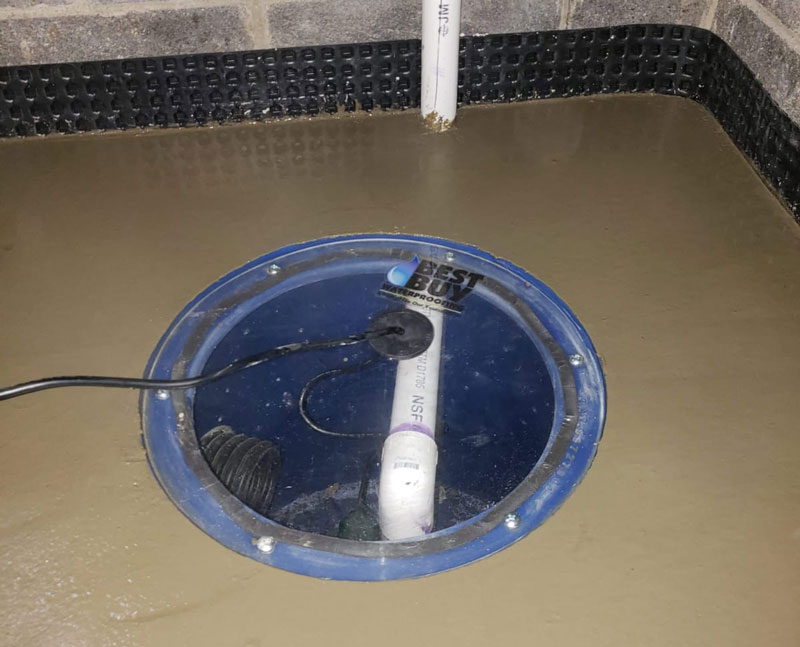
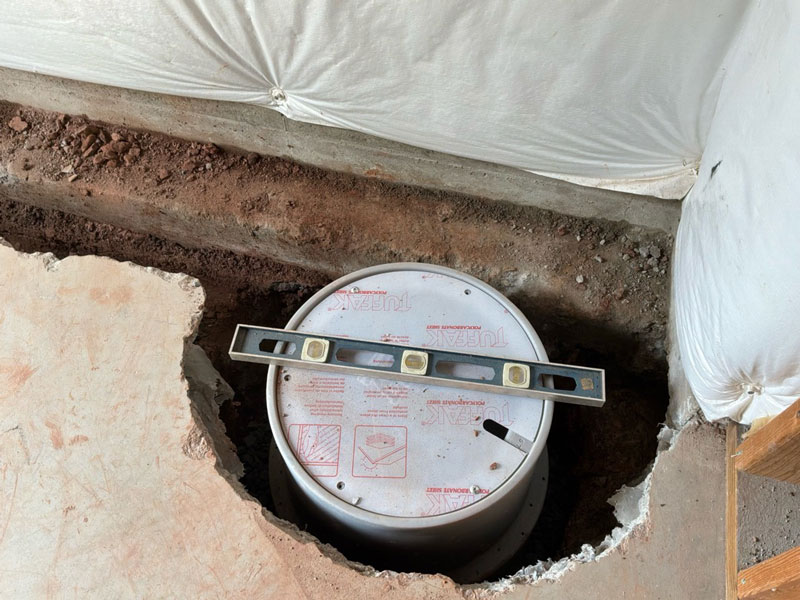
When a basement has no pump, sump pump installation usually goes hand in hand with a drainage system. Our crew sets a sump pit at a low point in the basement floor and connects it to the perimeter drain that collects water from around the walls and under the slab. The pump sits in the pit and switches on automatically when water reaches a set level, then switches off once the pit is drained.

We size the primary pump to the water your basement actually sees, so it keeps up during heavy rain without short cycling. The pit, pump, check valve and discharge line go in together as one system.

Sump Pump Replacement

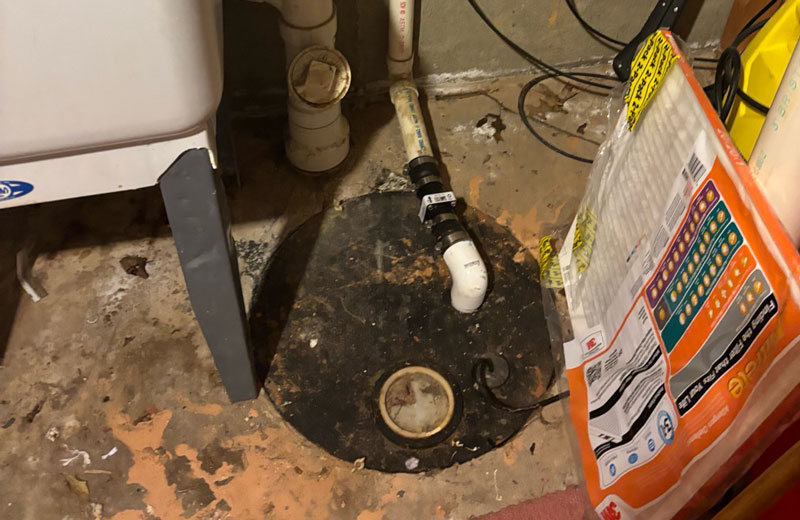
Pumps wear out. Switches stick, motors weaken and older pumps may never have been sized for the water your home gets. Sump pump replacement swaps the failing pump for one matched to your basement, and it is a good time to fix whatever else is holding the system back, such as a missing check valve, a cracked pit liner or a discharge line that empties too close to the house.

If your pump runs constantly or the basement still takes on water, a new pump alone may not solve it. We check the drains feeding the pit and recommend the fix that matches what we find.

Battery Backup Sump Pump

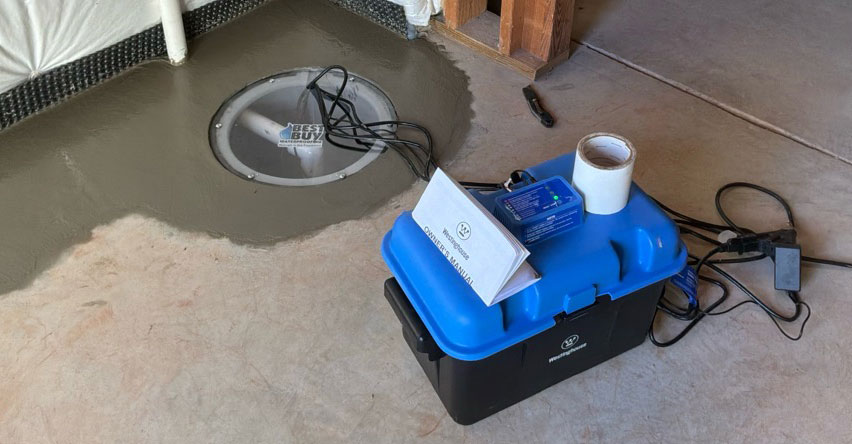
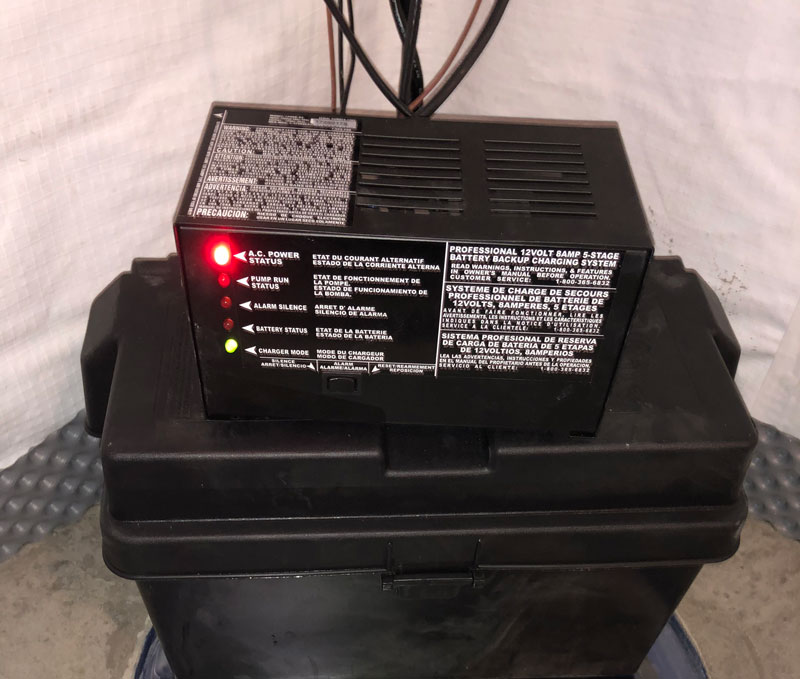
The storms that bring the most water often knock out the power. Without electricity, a standard pump stops, and the pit can overflow in a short time. A battery backup sump pump sits in the same pit and takes over automatically when the power fails or the primary pump cannot keep up, so water keeps moving out of the basement.

A backup is one of the most practical upgrades for any home that relies on a pump, especially a finished basement or one used for storage. We install the backup pump, battery and charger together and show you how to check that the system is ready.

Sump Pump Alarms

A pump problem is easy to miss until the floor is wet. An alarm warns you when the water in the pit rises too high, the primary pump fails or the backup system is running on battery power. That early notice gives you time to act before water reaches your belongings.

We recommend an alarm with every sump pump installation, and we include one with our battery backup systems.

Sealed Sump Lids

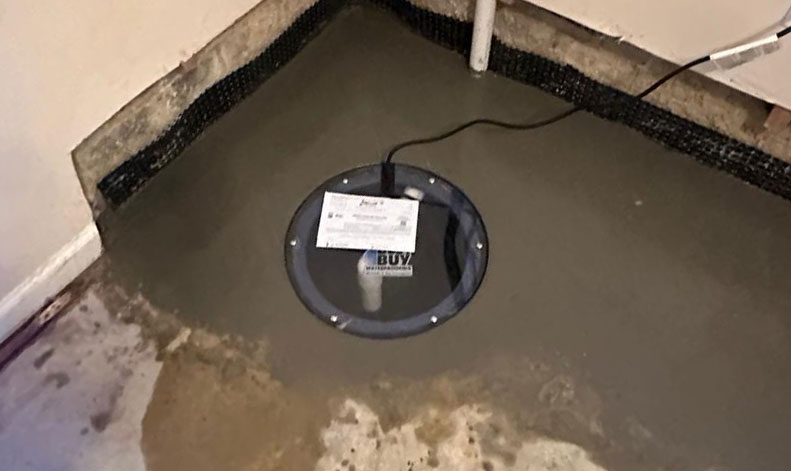
An open sump pit is a source of humidity, musty odors and soil gases, and it is a hazard for children and pets. A sealed, airtight lid keeps moisture and odors in the pit and out of the basement air, and it keeps debris from falling in and jamming the pump.

Sealed lids are a simple addition when we install or replace a pump. In a humid basement, they work well alongside a basement dehumidifier to keep the air drier.

Discharge Lines

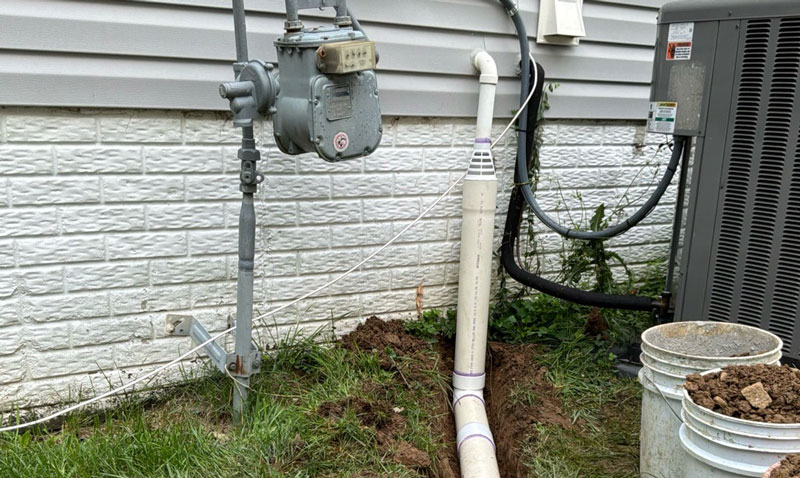
A pump is only useful if the water it moves stays away. The discharge line carries water from the pit, through the wall and out to a spot where it can drain away from the foundation. A line that empties right next to the house lets the same water soak back into the soil and return to the basement.

We route each discharge line to a suitable outlet, add a check valve so water does not flow back into the pit and look at how roof runoff affects the area.

Our Sump Pump Installation Process

1

Free Inspection

We check your water levels, existing pit and drains, discharge route and power backup needs.

2

Your Recommendation

We walk you through what we found and what we recommend, with a firm price.

3

Pump Installation

Our in-house crew installs the pit, pump, backup, alarm and discharge line, then cleans up.

4

Warranty Protection

Your sump pump installation is backed by a transferable warranty that stays with the home.

Why Homeowners Choose Best Buy Waterproofing

Sump pump installation works best when it is planned as part of the whole waterproofing system. Our team looks at where the water comes from, not just where it ends up.

What Affects the Cost of Sump Pump Installation?

We do not price sump pump installation from a list, because every basement handles a different amount of water. After your free inspection, you get a firm price based on what your home actually needs.

Water Volume

Homes that take on more water need a pump with more capacity.

New Pit or Existing

A new pit means cutting the floor, while an existing pit may be reused.

Battery Backup

A backup pump, battery and alarm add protection during outages.

Discharge Route

The length and path of the discharge line affect the scope of work.

Drainage System

Pairing the pump with a perimeter drain changes the size of the project.

Access and Finishes

Finished floors, walls or tight spaces can change how we install.

Sump Pump Installation FAQs

Drains around your basement collect groundwater and route it to a pit in the floor. When the water in the pit reaches a set level, a float switch turns the pump on, and the pump pushes the water through a discharge line to the outside, away from the foundation. A check valve keeps it from flowing back into the pit.

Not always. Dampness without standing water can come from humidity and condensation, which a basement dehumidifier may handle. If water collects on the floor, seeps through the cove joint or appears after storms, a drainage system with a sump pump is usually the right fix. Your free inspection tells you which applies.

For most homes that rely on a pump, yes. Power outages often arrive with the same storms that send the most water toward your basement. A battery backup sump pump takes over when the power fails or the primary pump cannot keep up, so your basement stays protected when it matters most.

Consider replacement if your pump is noisy, runs constantly, cycles on and off rapidly or fails to empty the pit. A pump that has been in place for many years is also worth checking before storm season. We test the system during your inspection and tell you whether repair or replacement makes more sense.

A pump that runs nonstop may be undersized, have a stuck switch or a failing check valve that lets water flow back into the pit. It can also mean a high water table or a discharge line that empties too close to the house, so the same water keeps returning. We find the cause before recommending a fix.

Yes. We plan the pit location and discharge route to limit disruption to finished walls and floors. In some homes, exterior waterproofing with a footer drain is a better fit for a finished space, and we explain the options during your free inspection.

Related Services

Interior Waterproofing

French Drains

Basement Finishing

Protect Your Basement Before the Next Storm

Find out whether your basement needs a new pump, a replacement or a battery backup. Book a free inspection for a clear recommendation and a firm price, with financing available.

Scroll to Top