Welcome to The Best Buy Waterproofing

Crawl Space Repair

Crawl Space Encapsulation

Seal out damp air, musty odors and pests with a fully encapsulated crawl space built for humid Mid-Atlantic summers and wet clay soils.

Crawl Space Encapsulation for Mid-Atlantic Homes

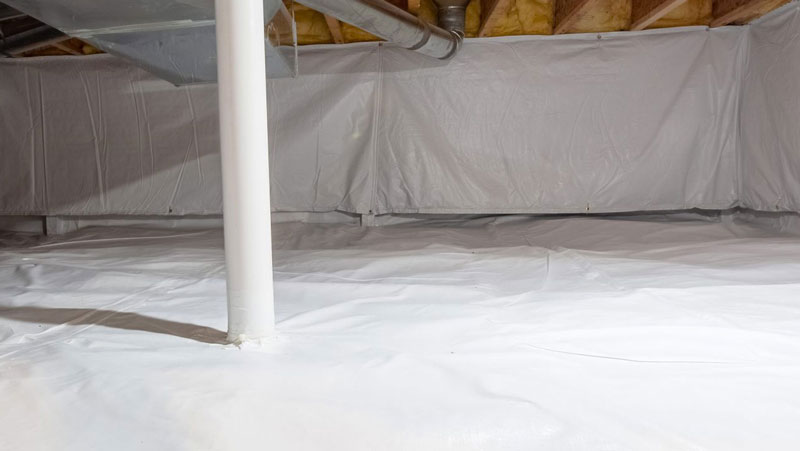
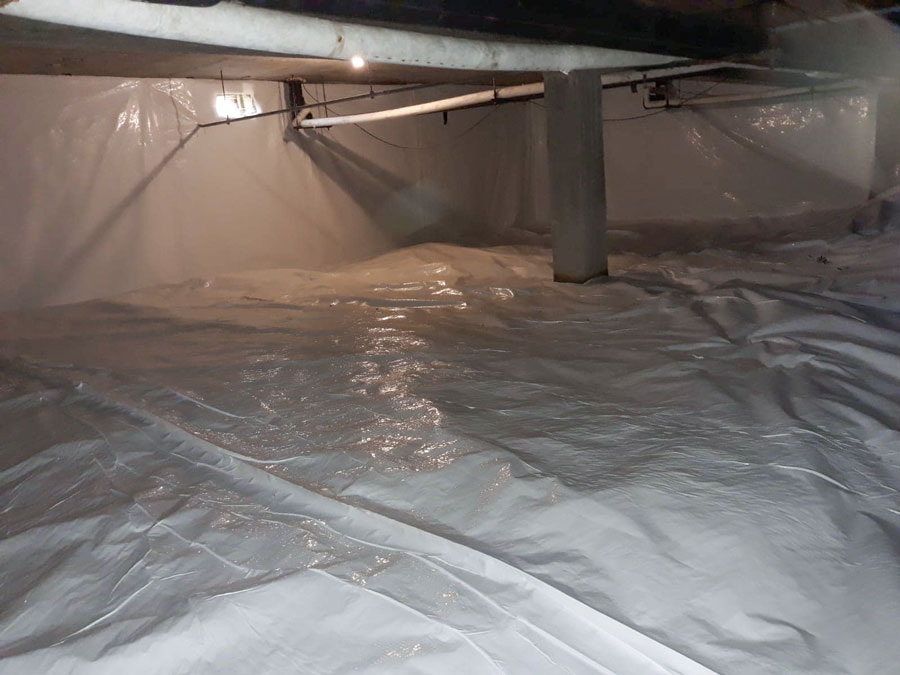
Best Buy Waterproofing provides crawl space encapsulation for homeowners across Maryland, Virginia, Washington DC, Pennsylvania, Delaware and West Virginia. Encapsulation turns an open, vented crawl space into a sealed, dry area that behaves like part of the house instead of a pocket of outside air underneath it. Our in-house crew covers the floor, walls and piers with a seamless vapor barrier, closes the vents, handles crawl space air sealing at the rim joists and penetrations, insulates the walls with closed-cell spray foam and controls humidity with a dedicated dehumidifier. Every project starts with a free inspection.

Across the region, many homes sit on block, brick or stone foundations that were never designed to keep moisture out. Clay and silt soils hold water against those walls, humid summer air pours in through open vents, and freeze-thaw winters send cold drafts across the floor above. Crawl space encapsulation addresses all of it at once. Below, we walk through each part of an encapsulation system and how air sealing fits in.

Signs You Need Crawl Space Encapsulation

Crawl space problems usually show up in the living space first. If you notice any of these, it is time for an inspection.

Musty odors upstairs

Damp crawl space air rises into the house and carries stale, earthy smells with it.

Sagging or uneven floors

Moisture weakens floor joists over time, leaving floors uneven, springy or soft underfoot.

Mold or damp wood

White or dark growth on joists, or wood that feels wet, points to high humidity.

Standing water or condensation

Puddles on the ground or beads of water on pipes and ducts mean moisture is building up.

Cold floors and drafts

Open vents and leaky rim joists let winter air chill the floors above the crawl space.

Pests and wildlife

Insects and rodents move into damp, open crawl spaces and can find their way upstairs.

What Goes Into Crawl Space Encapsulation

Sealed Vapor Barrier

The vapor barrier is the core of every crawl space encapsulation. We lay a heavy, commercial-grade liner across the entire dirt or gravel floor, run it up the foundation walls and wrap it around piers. Seams are overlapped and taped, and the edges are fastened and sealed to the walls so ground moisture has no path into the crawl space air. A sealed liner also gives you a cleaner, brighter surface that is easier to inspect and safer to crawl across for service work.

If your crawl space already has a thin plastic sheet, we evaluate it during the inspection. Loose ground cover with open seams slows moisture but does not stop it, so we usually replace it with a fully sealed liner.

Vent Sealing and Crawl Space Air Sealing

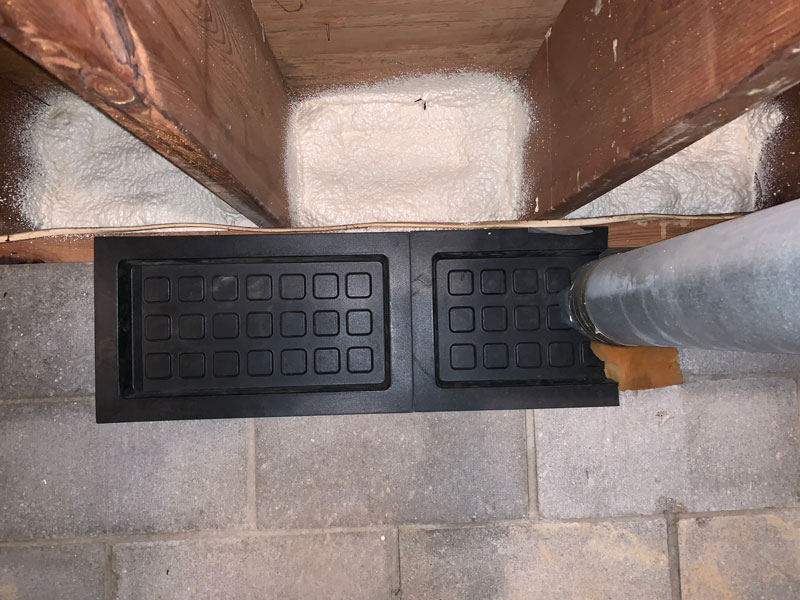
A sealed liner only works if outside air stays out. We close and seal the foundation vents, then complete crawl space air sealing around the rim joists, sill plates, access doors and every pipe, wire and duct penetration. In humid Mid-Atlantic summers, open vents bring in warm, wet air that condenses on cooler surfaces below the house. In winter, the same openings pull in cold air that chills the floors and works your heating system harder.

Air sealing also cuts off the paths insects and rodents use to get in. Once the crawl space is closed, it can be controlled like the rest of the house, which is the whole point of crawl space encapsulation.

Wall and Rim Joist Insulation

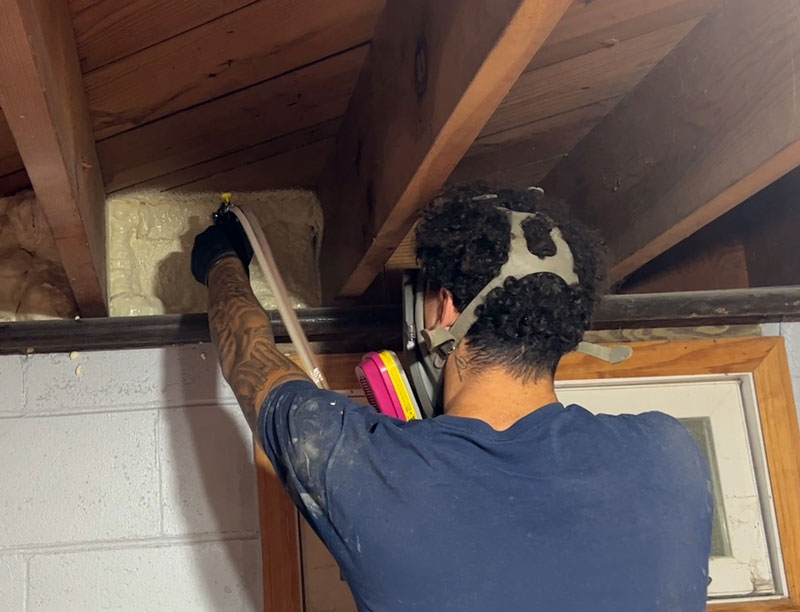
In a sealed crawl space, insulation belongs on the foundation walls and rim joists rather than between the floor joists. We apply closed-cell spray foam to those surfaces. It insulates, acts as an air barrier and resists moisture, so it holds up below grade where fiberglass batts tend to absorb water, sag and fall. Foam at the rim joist also closes many of the small gaps where outside air slips into the crawl space.

Insulating the walls keeps the crawl space closer to the temperature of your living space, which reduces condensation and helps the floors above feel warmer in winter.

Crawl Space Dehumidifier

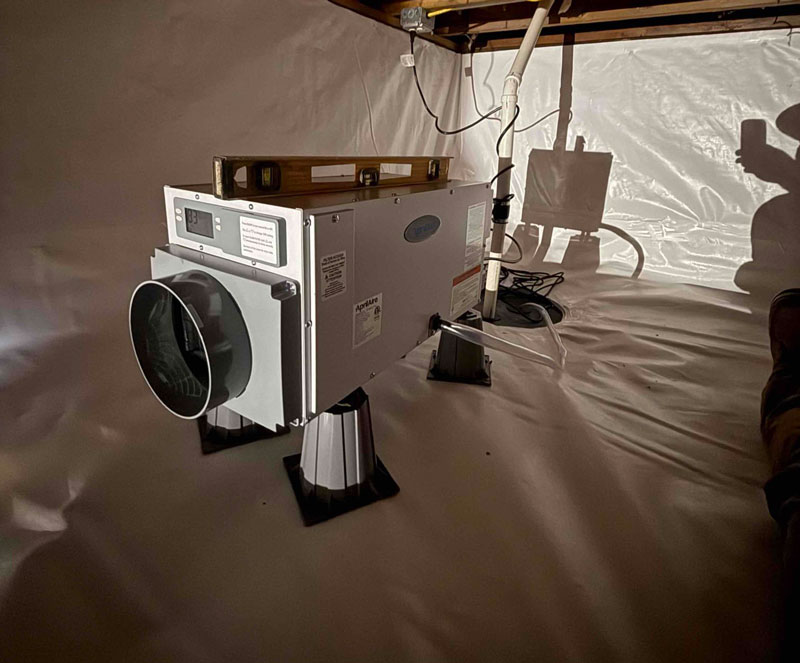
Even a sealed crawl space needs active humidity control. A crawl space dehumidifier sized for the space pulls moisture out of the air and keeps humidity in a range where mold and wood rot struggle to start. We install units with automatic drainage, so there is no bucket to empty and the system keeps running on its own through the long, humid summer months common across the region.

During the inspection, we measure humidity and recommend a unit sized for your crawl space.

Water Management and Structural Repairs

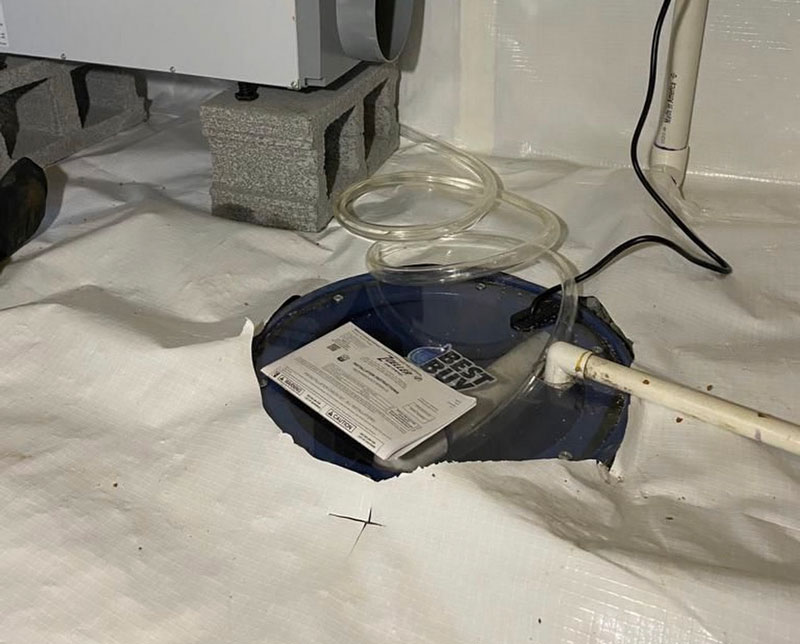
Crawl space encapsulation controls humidity, but it is not designed to handle flowing water. If the inspection finds standing water, seepage through the walls or a high water table, we address that first with crawl space waterproofing, such as interior drainage and a sump pump, before the liner goes down. That way water is managed below the barrier instead of pooling on top of it.

We also look closely at the floor framing. If moisture has already weakened joists, we can sister damaged joists or add beam supports as part of the same project, so the space is dry and solid when we finish.

Our Crawl Space Encapsulation Process

1

Free Inspection

We check moisture, humidity, vents, insulation, framing and any standing water in your crawl space.

2

Your Recommendation

We walk you through what we found and what we recommend, with a firm price.

3

Encapsulation Installation

Our in-house crew cleans the space, seals it, installs the liner, foam and dehumidifier.

4

Warranty Protection

Your crawl space encapsulation is backed by a transferable warranty that stays with the home.

Why Homeowners Choose Best Buy Waterproofing

Crawl space encapsulation involves moisture control, insulation and sometimes structural work, and we handle all of it with one team. Homeowners across the Mid-Atlantic have trusted us with their crawl spaces since 2017.

What Affects the Cost of Crawl Space Encapsulation?

We don’t quote crawl space encapsulation from a price list, because every crawl space is different. You get a firm price after a free inspection.

Crawl space size

Square footage and wall height set how much liner, foam and labor the job needs.

Water and drainage

Standing water or seepage may call for drainage and a sump pump before sealing.

Prep and cleanup

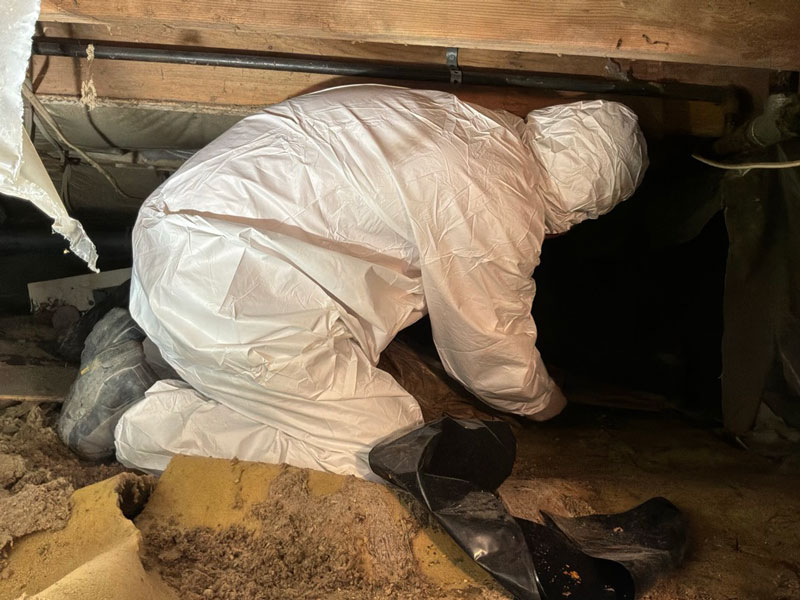
Debris, old plastic, wet insulation or mold must be removed before installation begins.

Vents and air leaks

The number of vents, penetrations and rim joist gaps affects air sealing time.

Dehumidifier needs

Crawl space volume and humidity levels determine the size of the dehumidifier.

Structural repairs

Rotted or sagging joists may need sistering or added beam supports.

Crawl Space Encapsulation FAQs

A vapor barrier is a liner over the crawl space floor that slows ground moisture. Crawl space encapsulation is the complete system: a sealed liner on the floor, walls and piers, sealed vents, air sealing, wall insulation and a dehumidifier. A vapor barrier alone can help a mostly dry crawl space, while encapsulation controls the air in the space as well as the ground.

In most Mid-Atlantic homes, yes. Sealing the crawl space stops outside air and ground moisture, but humidity still builds from the house, the soil and seasonal changes. A crawl space dehumidifier removes that moisture and keeps levels steady. Without one, a sealed space can still grow damp during long, humid summers.

Open vents, rim joist gaps and penetrations let humid summer air and cold winter air flow under your house. Air sealing closes those paths, so the liner and dehumidifier can do their jobs. It also helps the floors above feel warmer, reduces drafts and removes easy entry points for insects and rodents.

It usually does. Much of the air in the lower level of a home moves up from the crawl space. When that space is damp, musty odors come with it. Encapsulation keeps the crawl space dry and clean, which removes the conditions that cause the smell. Existing mold is cleaned up before the liner goes in.

Yes, but the water has to be handled first. A sealed liner is not built to hold back flowing water. If we find seepage or standing water, we recommend crawl space waterproofing, such as interior drainage and a sump pump, so water is collected and removed below the barrier before the space is sealed.

In a sealed crawl space, we insulate the foundation walls and rim joists with closed-cell spray foam rather than the floor above. That keeps the crawl space inside the conditioned envelope of the home. Fiberglass between floor joists tends to absorb moisture and fall down over time, so we typically remove it.

Related Services

Basement Waterproofing

Spray Foam Insulation

Mold Remediation

Ready for a Dry, Sealed Crawl Space?

Schedule a free inspection and we will check your crawl space, explain what we find and recommend the right encapsulation plan. We serve homeowners across Maryland, Virginia, Washington DC, Pennsylvania, Delaware and West Virginia.

Scroll to Top