

Welcome to The Best Buy Waterproofing

Crawl Space Repair

Sagging Floor Repair

Firm up bouncy, uneven floors by reinforcing weakened joists and adding support beneath them in your crawl space or basement.

Sagging Floor Repair for Crawl Spaces and Basements

Best Buy Waterproofing provides sagging floor repair for homeowners across Maryland, Virginia, Washington DC, Pennsylvania, Delaware and West Virginia. When floors feel bouncy, slope toward the middle of a room or make doors stick, the cause is usually below them: sagging floor joists, a beam that has too little support, or wood that has been weakened by years of moisture. Our in-house crew works in both crawl spaces and basements, reinforcing damaged joists with joist sistering and adding beam supports and crawl space supports where the framing needs more help. Every project starts with a free inspection.

Moisture is behind many of the sagging floors we see across the region. Humid summers, clay and silt soils that hold water, and open crawl space vents keep wood damp for long stretches, and damp wood loses strength. Older homes with long joist spans or widely spaced supports are especially prone to sag. Because we also handle crawl space encapsulation and waterproofing, we can fix the structure and the moisture problem that caused it, so your repair is not undone by the same conditions a few years later.

Signs You Need Sagging Floor Repair

Floor problems tend to develop slowly, so they are easy to get used to. Watch for these warning signs.

Floors dip or slope

A noticeable low spot, often near the middle of a room, points to sagging floor joists.

Bouncy or soft floors

Floors that flex or feel spongy underfoot often sit on weakened or undersupported joists.

Sticking doors

Interior doors that rub, swing on their own or won't latch can signal shifting framing.

Gaps at baseboards

Gaps opening between floors and baseboards or trim show the floor has dropped.

Damp or moldy wood

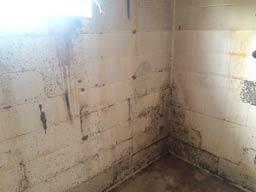
Mold, soft spots or dark stains on joists below mean moisture is weakening the framing.

Cracked tile or drywall

Cracks in floor tile, or in drywall above doorways, can follow movement in the floor.

How We Repair Sagging Floors

Joist Sistering

When individual joists have cracked, rotted at the ends or bowed under load, joist sistering restores their strength. We fasten new, full-strength lumber alongside each damaged joist so the two act as one member and share the load. Sistering is a practical fix for sagging floor joists because it reinforces the existing framing without tearing up the floor above. It works in crawl spaces and in basements where the joists are exposed or can be reached.

Before sistering, we check the wood for active rot and moisture. Badly decayed sections are addressed first, so the new lumber is fastened to sound material and the repair lasts.

Beam Supports and Crawl Space Supports

Many floors sag because the beam under them spans too far between supports, or because the original supports have settled, rotted or shifted. In those cases, we add beam supports and crawl space supports to shorten the span and carry the load down to a solid base. This takes stress off the joists and the beam and stops the floor from sagging further. Supports are placed based on what the inspection shows about the beam, the joist layout and the condition of the ground below.

Adding support is often paired with joist sistering. Together, they address both a weak beam line and individual damaged joists in the same sagging floor repair.

Sagging Floors Over Basements

Sagging floor repair is not limited to crawl spaces. In basements, floor joists and beams can weaken from moisture, past plumbing or remodeling cuts, or loads they were never sized for. We use the same approach downstairs: sister damaged joists and add beam supports where the span needs help. If the basement is finished, we look for the least disruptive way to reach the framing.

If your basement has ongoing dampness or seepage, we recommend dealing with that too, since moisture in the air reaches the wood above.

Stopping the Moisture Behind the Sag

Reinforcing the framing fixes the symptom. To keep sagging floor joists from coming back, the crawl space has to stay dry. Depending on what we find, we may recommend a sealed vapor barrier, full crawl space encapsulation with a dehumidifier, or crawl space waterproofing if water is entering the space. Closed-cell spray foam on the walls and rim joists also helps by sealing out humid air and adding strength to the floor system.

We plan structural repairs and moisture control together, so they can often be completed in one project.

When the Foundation Is the Cause

Sometimes a floor slopes because the foundation under it has sunk or settled, not because the framing is weak. Signs include sloping floors throughout one side of the house, stair-step cracks in block walls and gaps around windows and doors. The inspection checks the foundation as well as the joists, so the right problem gets fixed.

If settlement is the cause, we explain foundation settlement repair options and how they fit with any work needed on the floor framing.

Our Sagging Floor Repair Process

1

Free Inspection

We check joists, beams, supports, moisture levels and the foundation beneath the sagging floor.

2

Your Recommendation

We walk you through what we found and what we recommend, with a firm price.

3

Structural Repair

Our in-house crew sisters joists, installs supports and addresses moisture, then cleans up.

4

Warranty Protection

Your sagging floor repair is backed by a transferable warranty that stays with the home.

Why Homeowners Choose Best Buy Waterproofing

Sagging floor repair works best when the structure and the moisture problem are fixed together, and our one team handles both. Homeowners across the Mid-Atlantic have trusted us with their crawl spaces and basements since 2017.

What Affects the Cost of Sagging Floor Repair?

We don’t quote sagging floor repair from a price list, because every floor system is different. You get a firm price after a free inspection.

Size of the area

How much of the floor has sagged sets the number of joists and supports involved.

Joist condition

Cracked or rotted joists need sistering, and decayed wood may need removal first.

Supports needed

Beam length, span and existing posts determine how many new supports are required.

Access and clearance

Low crawl spaces or finished basements take more time to reach the framing.

Moisture problems

Damp crawl spaces may need a vapor barrier, encapsulation or waterproofing as well.

Foundation movement

If settlement is involved, foundation repair may be part of the plan.

Sagging Floor Repair FAQs

The most common causes are moisture, long joist spans and too few supports. Damp crawl spaces keep wood wet, which leads to rot and weakens joists over time. Older homes were often framed with spans or support spacing that sag under modern loads. Past plumbing or remodeling cuts in joists and foundation settlement can also cause a floor to dip.

Joist sistering means fastening a new, full-strength piece of lumber alongside a damaged or weakened joist so they work together. It restores strength without removing the original joist or tearing up the floor above. It is one of the main methods we use in sagging floor repair for both crawl spaces and basements.

Crawl space supports carry the load of a beam down to a solid base. Adding them shortens the distance the beam has to span, which takes stress off the beam and joists and stops further sagging. We place supports based on the beam, the joist layout and the soil conditions found during the inspection.

The goal is a floor that is solid and no longer sagging. How close an older floor can be brought back toward level depends on how long it has been sagging and the condition of the framing, walls and finishes above. We explain what to expect for your home during the inspection, before any work begins.

Yes. Our sagging floor repair covers both crawl spaces and basements. In a basement, we use the same methods, sistering damaged joists and adding beam supports where needed. If the ceiling is finished, we talk through how we will reach the framing and keep disruption to a minimum.

In most cases, yes. If moisture weakened the joists in the first place, it will keep working on the new and old wood after the repair. We often pair sagging floor repair with a vapor barrier, crawl space encapsulation or waterproofing, so the framing stays dry and the repair holds up.

A slight dip is not usually an emergency, but sagging tends to get worse as wood keeps weakening. Soft spots, rapid changes, cracking sounds or rot you can push a screwdriver into deserve prompt attention. A free inspection tells you how serious the problem is and what it will take to fix.

Related Services

Foundation Repair

Basement Waterproofing

Spray Foam Insulation

Get Your Floors Solid Again

Schedule a free inspection and we will find out why your floor is sagging and recommend the right repair. We serve homeowners across Maryland, Virginia, Washington DC, Pennsylvania, Delaware and West Virginia.

Scroll to Top