Welcome to The Best Buy Waterproofing

Arlington, VA Wall Stabilization

Carbon fiber straps, steel I-beam braces and block wall rebuilds that stop bowing basement walls in Arlington homes from moving further.

Basement Wall Stabilization in Arlington, VA

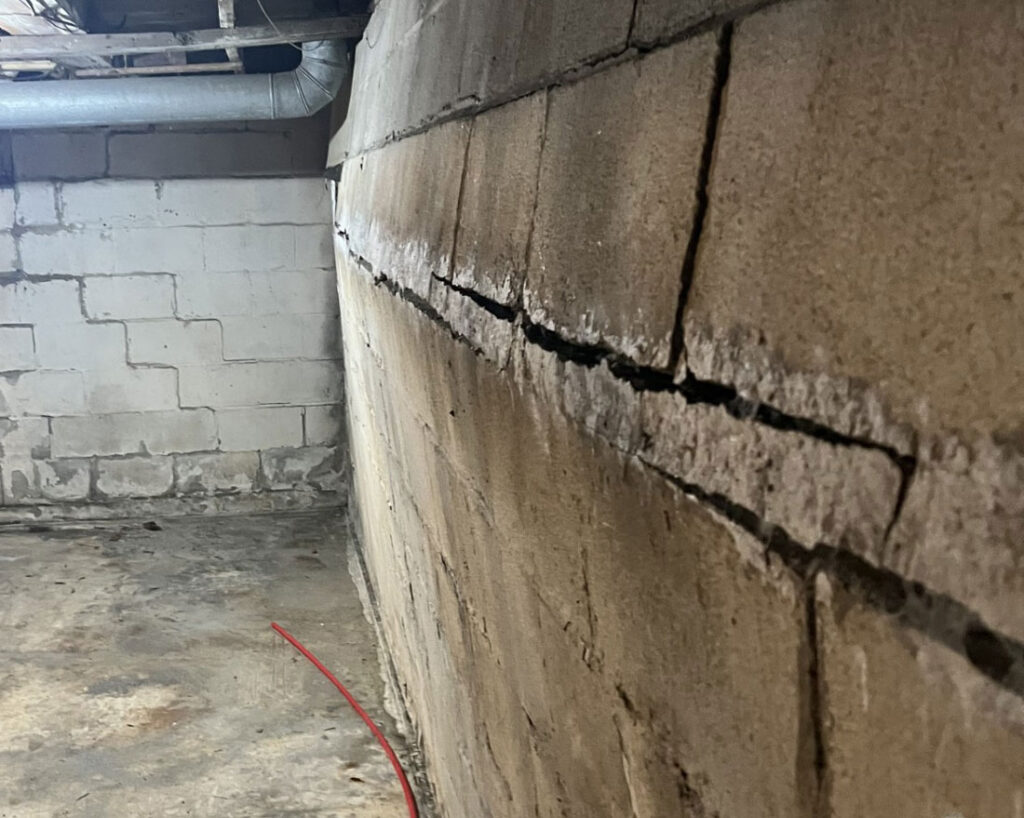
Basement walls are built to hold back soil, but they are not built to handle unlimited pressure. Best Buy Waterproofing provides wall stabilization in Arlington, VA for homes with bowing basement walls, leaning walls and walls that have started to crack along the mortar lines. In Arlington’s clay-heavy soil, water collects against the foundation after summer storms and the clay swells, pressing harder on the wall. In winter, freezing soil adds more force near the top. Over time, a block or brick wall can bow inward at the middle or tip in at the top.

Many Arlington colonials, Cape Cods and ramblers from the 1920s through the 1950s have block or brick basement walls, and these are the walls most likely to bow. Wall stabilization stops the movement before it becomes a structural problem. Our in-house team has done this work since 2017, and every project starts with a free inspection to measure how far the wall has moved and what is pushing it.

Signs You Need Wall Stabilization in Arlington

A moving wall usually leaves a pattern you can see. Watch for these signs in your Arlington basement.

Horizontal Cracks

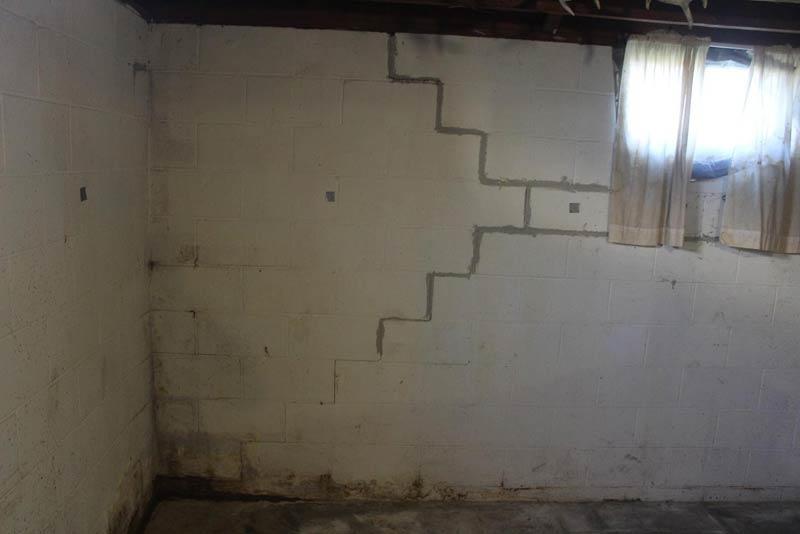
A long crack runs sideways along a mortar joint partway up the wall.

Stair-Step Cracking

Diagonal cracks climb through the joints of a block or brick wall.

Inward Bowing

The middle of the wall bulges toward the basement when you sight along it.

Leaning Top Edge

The top of the wall tips inward or slides away from the sill.

Water Through Cracks

Moisture or efflorescence follows the line of a wall crack.

Worse Each Winter

Cracks get wider or longer after freeze-thaw seasons.

Wall Stabilization Options for Arlington Homes

Inspection: Measuring the Movement

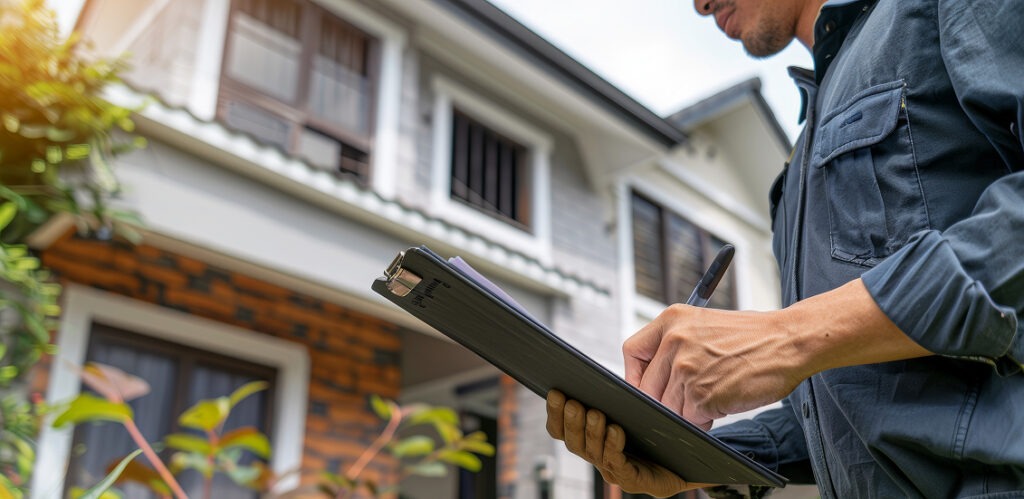
Every wall stabilization project begins with a free inspection. We measure how far the wall has bowed or leaned, record the width and pattern of each crack and check the outside for clues like poor grading, downspouts that empty against the wall and soil that stays wet. The amount of movement decides which repair fits.

If your basement is finished, we look for signs behind the drywall such as nail pops, gaps at trim and damp spots. We then walk you through what we found and what we recommend.

Carbon Fiber Straps for Early Bowing

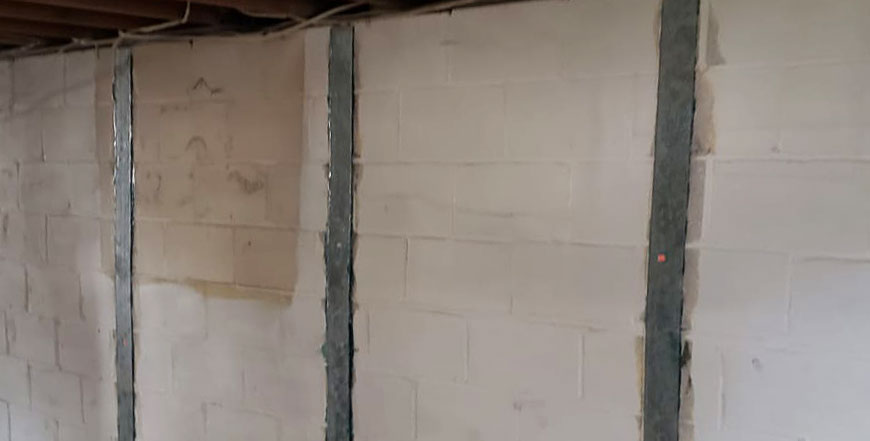
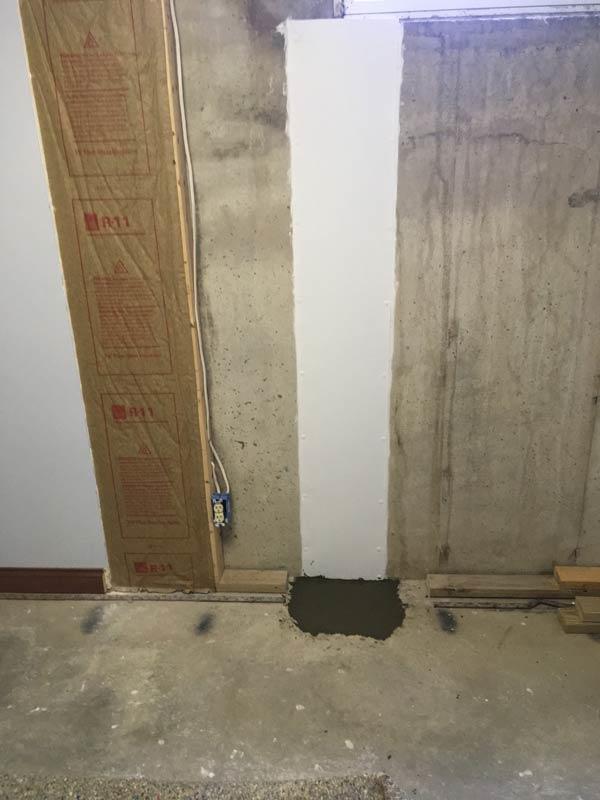
Carbon fiber straps are a low-profile option for walls with limited inward movement. We prepare the wall surface and bond high-strength straps vertically to the inside of the wall at set intervals. The straps are secured at the top to the house framing and at the bottom near the floor, so the wall cannot keep bowing.

Because the straps sit almost flush with the wall, they take up very little room. That makes carbon fiber straps a good fit for basements that are finished or will be finished, which describes many Arlington homes.

Steel I-Beam Braces for Greater Movement

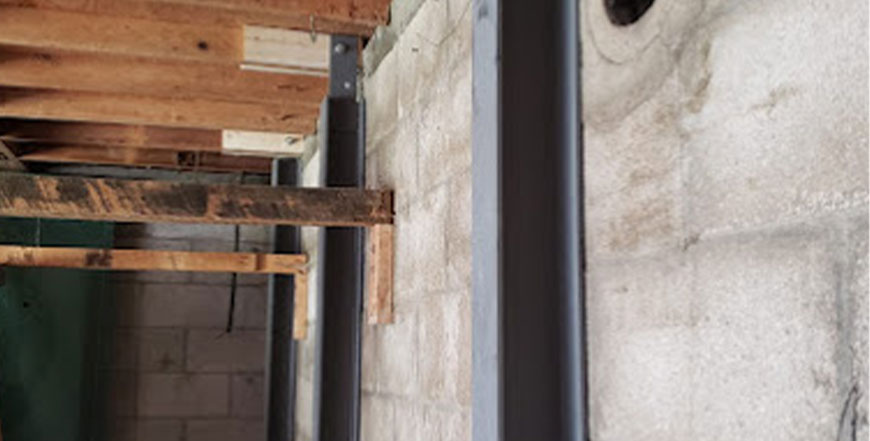
When a wall has moved further, steel I-beam braces provide more support. Each brace stands against the inside face of the wall and is secured to the basement floor and to the framing above. The braces stop further movement, and on some walls they can be tightened over time to help ease the wall back as conditions allow.

Braces stand slightly out from the wall, so we plan their spacing around windows, stairs and any finished areas.

Block Wall Rebuilds

Some walls have moved too far or are too damaged to be held in place. In that case, a section of the wall, or the whole wall, is rebuilt. We support the house, remove the damaged block, rebuild the wall on its footing and address drainage so the new wall is not exposed to the same pressure.

A rebuild is a bigger project, so we only recommend it when stabilization is not enough.

Crack Sealing and Water Control

Wall stabilization stops movement, but the cracks it leaves can still let water in. We seal leaking cracks once the wall is supported, and we look at how water reaches the wall in the first place. Reducing the water held in the clay outside lowers the pressure on the wall.

Our same in-house team can add interior or exterior waterproofing as part of one plan. When a permit is required, we handle it.

Our Wall Stabilization Process

1

Free Inspection

We measure bowing, map cracks and check grading and drainage outside.

2

Your Recommendation

We walk you through what we found and what we recommend, with a firm price.

3

Wall Repair

Our crew installs straps or braces, or rebuilds the wall, then cleans up.

4

Warranty Protection

Your repair is backed by our transferable warranty.

Why Arlington Homeowners Choose Best Buy Waterproofing

Wall stabilization works best when the repair matches how far the wall has moved. Arlington homeowners choose us because our own in-house team measures, recommends and installs.

What Affects the Cost of Wall Stabilization in Arlington?

We do not quote wall stabilization from a price list, because each wall has moved in its own way. You receive a firm price after your free inspection.

Amount of Bowing

How far the wall has moved decides straps, braces or a rebuild.

Wall Length

Longer walls need more straps or braces along their span.

Wall Material

Block, brick and poured walls are handled differently.

Finished Space

Drywall, framing or built-ins that must be opened for access.

Crack Sealing

The number of leaking cracks to seal after stabilizing.

Water Control

Whether waterproofing is added to relieve pressure on the wall.

Wall Stabilization FAQs

A bowing wall is a structural problem that tends to get worse, especially after wet seasons and hard freezes. Left alone, the wall can keep moving until it needs a rebuild. Catching it early usually means a simpler fix, which is why we recommend an inspection as soon as you notice horizontal cracks or bowing.

Arlington’s clay-heavy soil holds water and swells after heavy storms, pushing on the outside of the wall. Freeze-thaw cycles add more pressure in winter. Poor grading and downspouts that empty next to the house keep the soil wetter and make the problem worse.

It depends on how far the wall has moved. Carbon fiber straps suit walls with limited bowing and fit neatly in finished spaces. Steel I-beam braces handle greater movement and can sometimes be adjusted over time. We measure the wall and recommend the option that fits.

Often it helps. Water held in the soil is a big part of what pushes on the wall. Sealing cracks and adding drainage reduce that pressure and protect the repair. We explain whether your Arlington home needs it after the inspection.

When a wall has moved too far, has shifted off its footing or has badly broken block, straps and braces may not be enough. In those cases we recommend rebuilding the damaged section or the whole wall on its footing.

We do not recommend it. Stabilizing a wall means measuring movement accurately, choosing the right repair and securing it properly to the floor and framing. A mistake can leave the wall unsupported. Our in-house team handles the full basement wall repair.

More Services in Arlington

Foundation Repair in Arlington

Settling Foundation Repair in Arlington

Basement Waterproofing in Arlington

Wall stabilization near Arlington, VA: Alexandria · Falls Church · McLean · Washington, DC · Vienna · Fairfax · Annandale

Stop Your Arlington Basement Walls Moving

Book a free inspection to find out how far your basement walls have moved and which wall stabilization option fits your Arlington home. We will explain everything before any work begins.

Scroll to Top