Welcome to The Best Buy Waterproofing

Washington, DC Foundation Repair

Stabilize bowing walls, support settling foundations and seal cracks in Washington, DC homes with one licensed, insured in-house team.

Foundation Repair Contractors in Washington, DC

Best Buy Waterproofing provides foundation repair in Washington, DC for homeowners dealing with cracked, bowing, leaning or sinking foundations. Much of the District sits on clay-heavy soil that swells when it soaks up rain and shrinks back in dry weather. That movement presses against basement walls and shifts the ground under footings. Heavy summer storms saturate the soil quickly, and freeze-thaw winters add more stress. We find the cause of the movement, explain what is happening, and recommend a repair that fits your house.

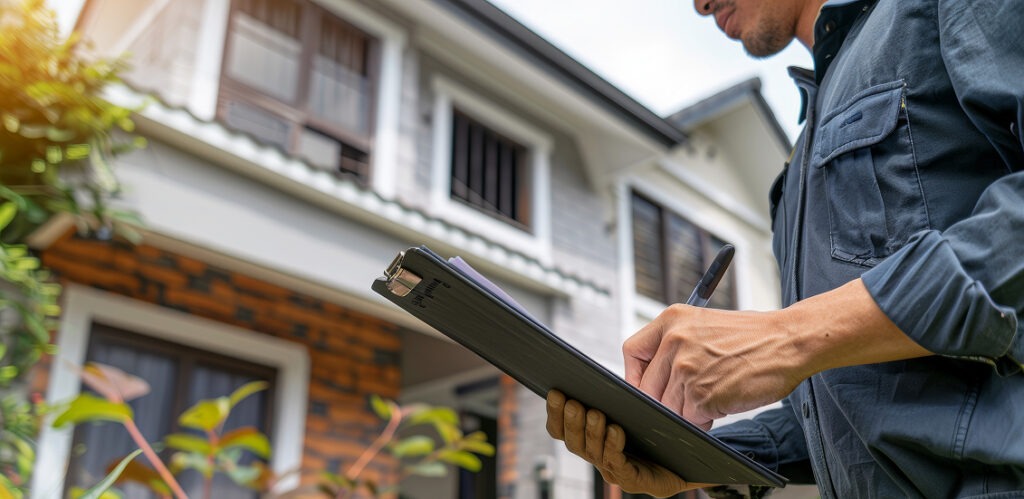
Many DC homes are older rowhouses and semi-detached houses with brick, stone or block foundations, often sharing a party wall with the house next door. Those walls have absorbed seasonal pressure for a long time, so a hairline crack can widen, a wall can tip inward, or floors upstairs can begin to slope. Whether your home is in Petworth or Chevy Chase, our licensed and insured in-house team handles the structural repair and the water that often caused it. Every project starts with a free inspection.

Signs You Need Foundation Repair in Washington

Foundation trouble usually shows up in more than one place. If you notice these warning signs in your Washington, DC home, schedule an inspection before the damage spreads.

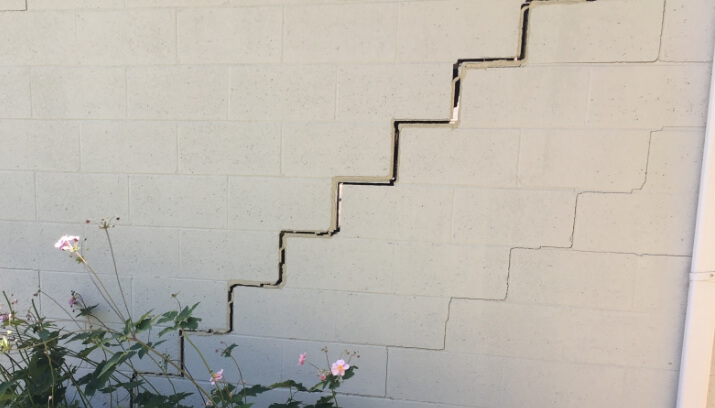
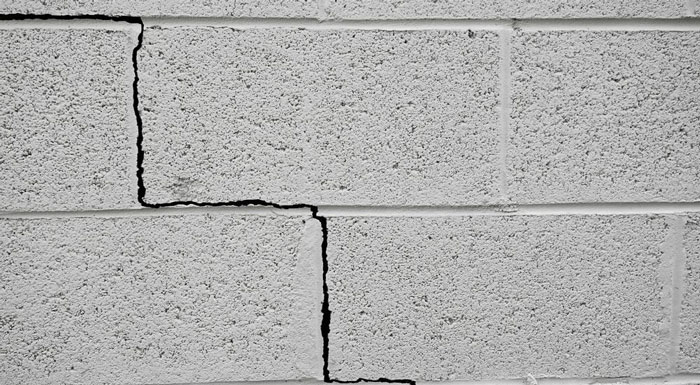
Stair-Step Cracks

Diagonal cracks following the mortar joints in block walls or exterior brick.

Bowing Basement Walls

Walls that bulge inward or show a long horizontal crack near the middle.

Leaning or Shifting Walls

Basement walls that tip inward at the top or slide in at the bottom.

Sticking Doors and Windows

Frames that look out of square, doors that stick or windows that will not close.

Sloping Floors

Uneven floors upstairs or one corner of the house sitting lower than the rest.

Gaps at Walls or Chimney

A chimney or wall section pulling away, or gaps opening in brick mortar.

Foundation Repair Solutions for Washington, DC Homes

Carbon Fiber Straps for Bowing Walls

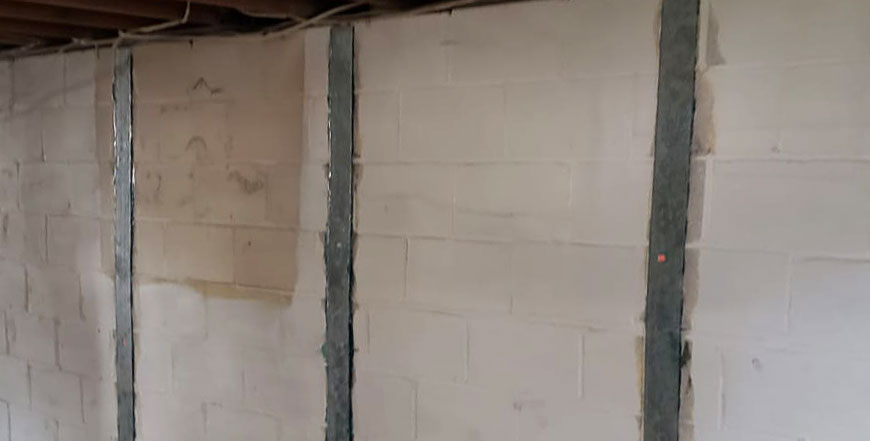
Bowing basement walls are one of the most common structural problems we see in Washington. When clay soil gets saturated, it expands and presses sideways against the foundation until the wall bulges inward. For walls with early, limited bowing, we bond carbon fiber straps to the inside face of the wall at set intervals and secure them at the top and bottom, so the reinforcement is tied in, not just glued on.

Carbon fiber straps strengthen the wall and help halt further inward movement. They lie nearly flat and can be painted or covered later, which suits a basement you may finish or rent out.

Steel I-Beam Wall Braces

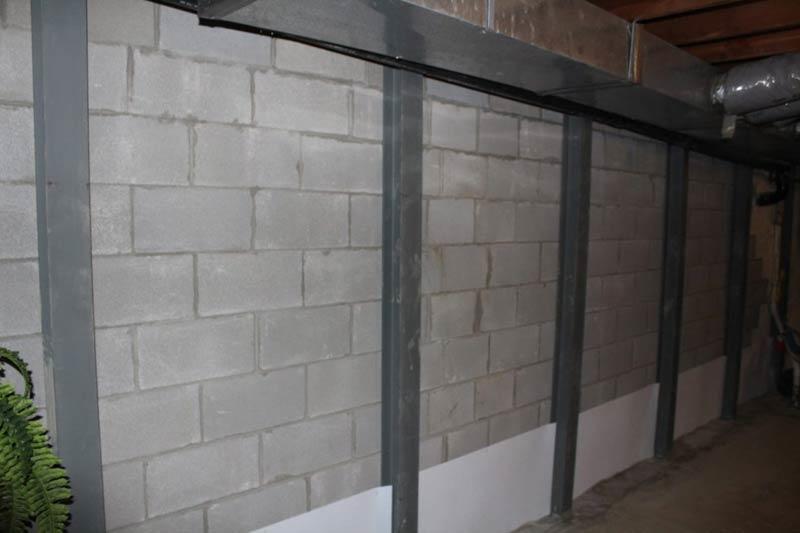
Walls that have bowed or leaned further usually need more than straps. We set heavy-duty steel I-beam braces upright against the inside face of the wall, secured to the basement floor at the bottom and the floor framing at the top, so the structure of the house helps hold the wall in place.

The braces apply continuous resistance to the soil pushing in. That stops further movement and, over time, can help gradually straighten a bowed or leaning wall. How much correction is possible depends on the wall, and we tell you what to expect up front.

Push Piers and Helical Piers for Settling

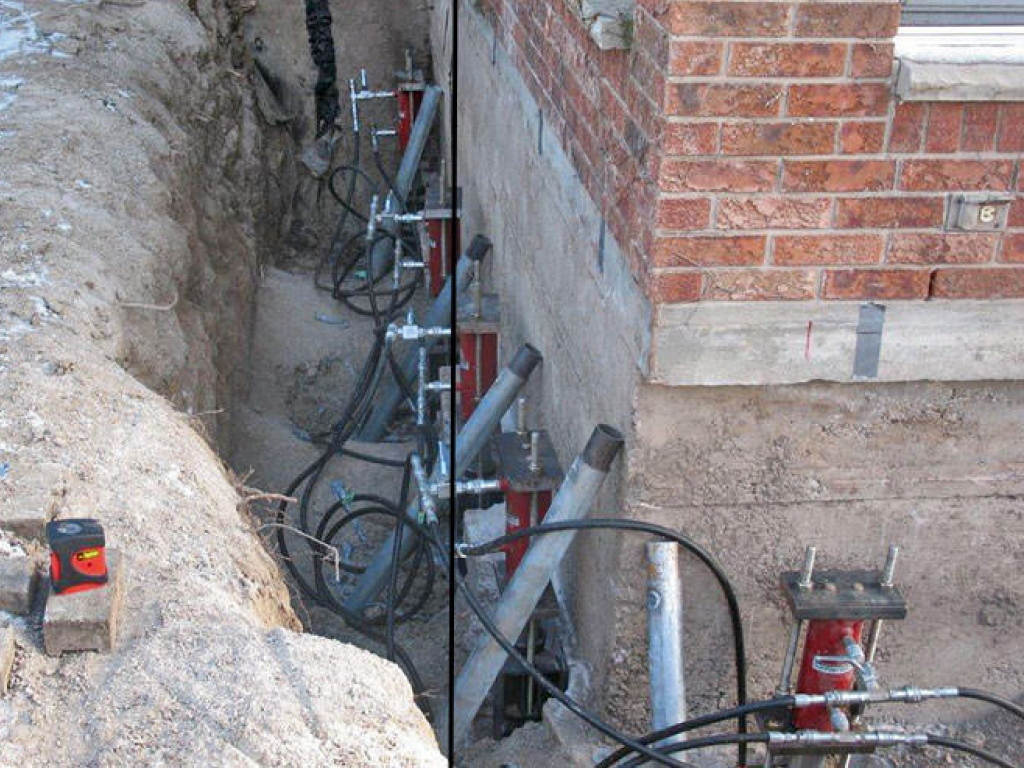
A settling foundation happens when the soil under the footings compresses, washes out or shrinks during dry weather. Settlement is rarely even, so one corner or section drops more than the rest. We dig small, targeted access holes beside the footing, attach steel brackets and transfer the weight of the house down to stable, load-bearing soil with steel piers.

Push piers are driven down using the weight of the structure, which suits the main foundation of a home. Helical piers are turned into the ground like a large screw and are often used for lighter loads such as porches and additions. Where the structure allows, we use controlled lifting to bring the settled section back toward level.

Foundation Crack Repair

Not every crack is a structural emergency, but cracks in basement walls and floors deserve a closer look, especially horizontal or stair-step cracks and any that keep growing or let water in. Our foundation crack repair seals leaking cracks in poured concrete walls, block walls and floor slabs.

Sealing a crack without stopping the movement behind it only invites a new one nearby. If a crack comes from ongoing movement, we pair the seal with wall stabilization or piers so the repair holds.

Block Wall Rebuild

Some walls have moved too far or are too badly broken to reinforce. When a block wall reaches that point, we temporarily support the house, remove the damaged block down to sound material and lay new block back up to the floor framing, tied into the existing wall and the structure above. We rebuild block walls in basements and crawl spaces.

Before the new wall goes up, we deal with the soil and water pressure that damaged the old one. We only recommend a rebuild when the inspection shows the wall cannot be reliably stabilized, and we explain why.

Our Foundation Repair Process

1

Free Inspection

We inspect walls, floors and footings, check for water, and find the cause of movement.

2

Your Recommendation

We walk you through what we found and what we recommend for your home.

3

Expert Installation

Our in-house crew installs straps, braces or piers, handles permits when required and cleans up.

4

Warranty Protection

Qualifying repairs come with a transferable warranty that stays with your home if you sell.

Why Washington, DC Homeowners Choose Best Buy Waterproofing

Foundation repair is a big decision, and Washington homeowners want a contractor who explains the problem clearly and stands behind the work. Here is what you get with us.

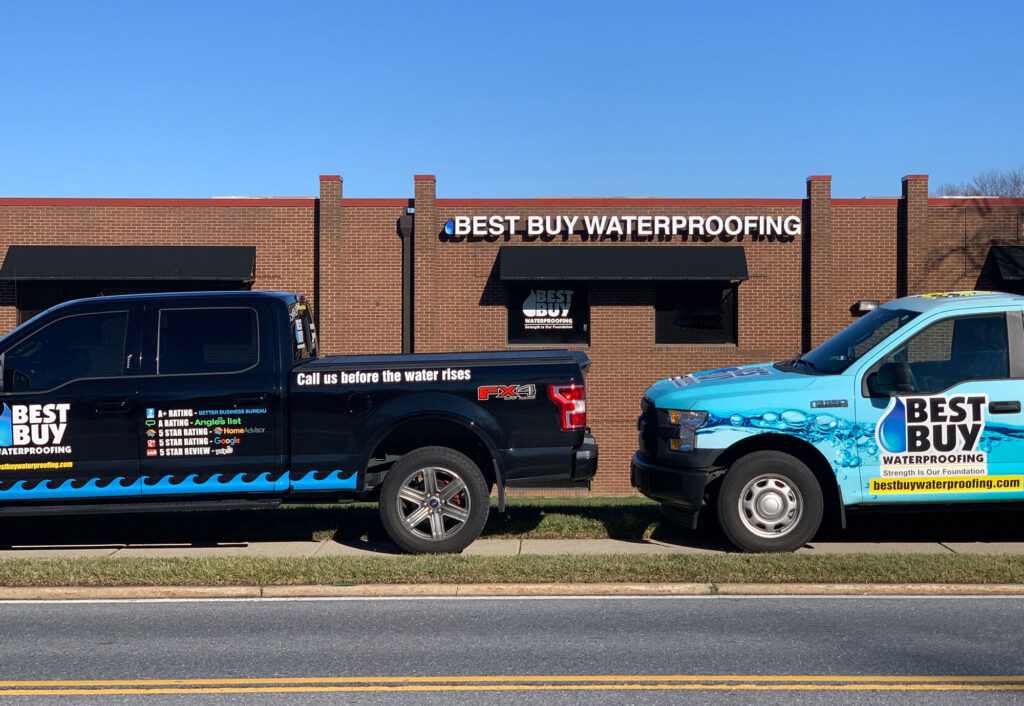
Best Buy Waterproofing Office

What Affects the Cost of Foundation Repair in Washington?

We don’t quote foundation repair from a price list, because no two foundations fail the same way. After your free inspection, you get a firm price based on what your home actually needs.

Type of Problem

Bowing walls, settlement and cracks each call for different repairs.

Extent of Movement

How far a wall has moved or a footing has dropped affects the scope.

Repair Method

Straps, steel braces, piers, crack sealing and rebuilds differ in labor and materials.

Foundation Material

Brick, stone, block and poured concrete walls each need different preparation.

Access to the Work

Party walls, tight lots, alley access and finished basements change the work involved.

Water Problems

If water caused the damage, waterproofing may be needed to protect the repair.

Foundation Repair FAQs

Much of DC sits on clay-heavy soil that expands when wet and shrinks when dry, pushing on basement walls and shifting support under footings. Heavy summer storms and freeze-thaw winters add stress, and many homes have older brick, stone or block foundations that have absorbed that pressure for years.

Hairline drywall cracks are usually cosmetic. Horizontal cracks, stair-step cracks in block or brick, cracks wider at one end, or cracks that keep growing or leak water point to movement that needs attention. If doors also stick or floors slope, the crack is likely part of a larger problem. A free inspection will tell you which you have.

It depends on how far the wall has moved. Carbon fiber straps suit walls with early, limited bowing and stop further movement. Steel I-beam braces handle walls that have bowed or leaned further and can help straighten them over time. Severely damaged block walls may need a rebuild. We recommend one approach after the inspection.

Yes. Many repairs, including carbon fiber straps and steel braces, are installed from inside your basement, so they do not depend on access to the neighboring property. For settlement, we look at where piers can be placed along your footings. We explain what the work involves for your home before anything starts.

Both are steel piers that carry your home’s weight down to stable, load-bearing soil. Push piers are driven down using the weight of the structure and suit the main foundation. Helical piers are turned into the ground and are often used for lighter loads such as porches and additions. We recommend one after checking your soil and settlement.

Not always, but water is behind many foundation problems. Saturated soil adds pressure against walls, and seepage weakens block and mortar. If we find active water, we will explain how waterproofing could protect the repair. Call (844) 980-3707 to schedule a free inspection anywhere in Washington, DC.

More Services in Washington, DC

Basement Waterproofing in Washington, DC

Crawl Space Repair in Washington, DC

Basement Finishing in Washington, DC

Foundation repair near Washington, DC: Arlington, VA · Alexandria, VA · Bethesda, MD · Silver Spring, MD · Rockville, MD · Falls Church, VA

Schedule Your Free Foundation Inspection

Cracks, bowing walls and settling floors get worse with time, not better. Call Best Buy Waterproofing at (844) 980-3707 for a free inspection anywhere in Washington, DC, and ask about our financing options.

Scroll to Top