Welcome to The Best Buy Waterproofing

Basement Waterproofing

Basement & Foundation Crack Repair

Seal leaking wall and floor cracks in poured concrete and block foundations, and find out whether a crack points to a bigger structural problem.

Basement and Foundation Crack Repair That Starts With the Right Diagnosis

Almost every basement has a crack somewhere. Concrete shrinks as it cures, soil shifts with the seasons and freeze-thaw winters work on every small opening. Most of those cracks are harmless until water finds them. Then a thin line in the wall or floor becomes a damp streak, a puddle after storms and a path for soil gases and pests. Best Buy Waterproofing provides foundation crack repair for homeowners across Maryland, Virginia, Washington DC, Pennsylvania, Delaware and West Virginia, with one in-house team that seals leaking cracks and checks what caused them.

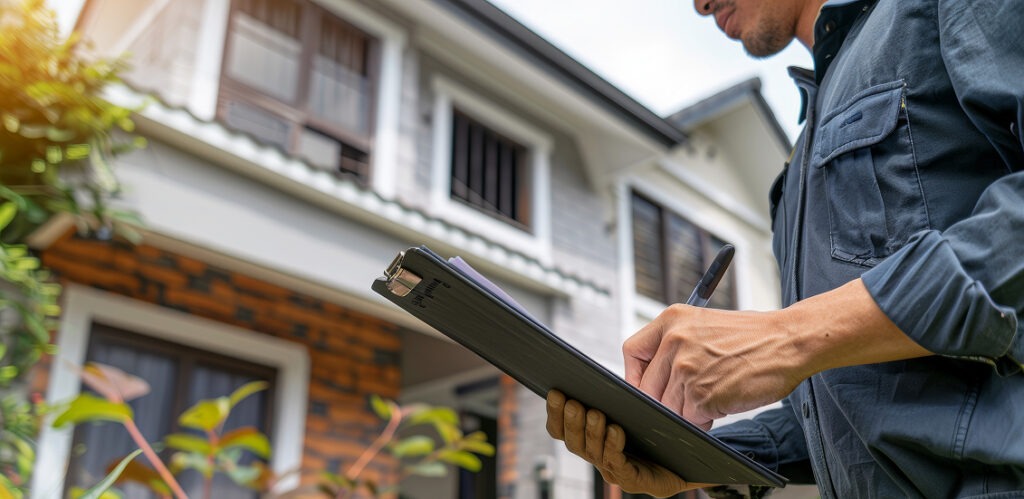
Crack repair is part of our basement waterproofing work because most cracks we see are leak points first. But a crack is also a clue. Its width, direction and location tell us whether the soil around your home is simply wet or whether it is pushing on the walls or letting the foundation settle. That is why every basement crack repair starts with a free inspection. We look at wall and floor cracks, the type of foundation, drainage and grading, then explain in plain language what the crack means and how we recommend fixing it.

Signs a Crack Needs Repair

Not every crack needs work today, but these signs usually mean water, soil pressure or movement is involved.

Leaking Wall Crack

Water seeps or drips through a wall crack after rain or snowmelt.

Water Through the Floor

Damp lines or puddles form along cracks in the basement floor slab.

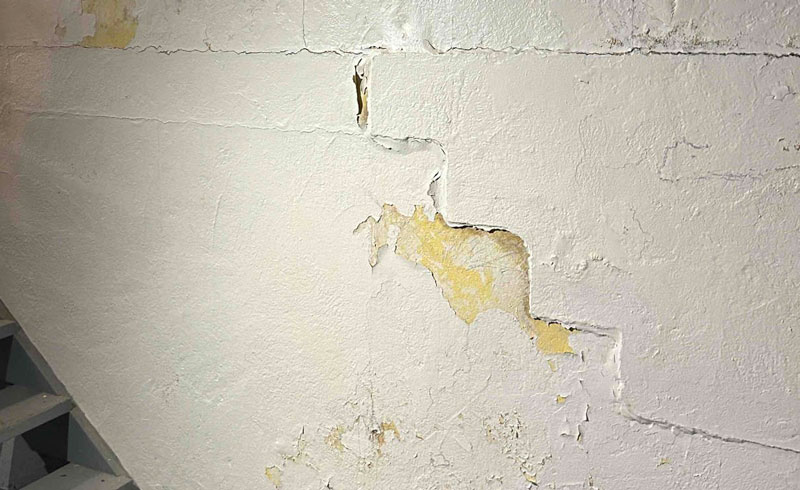
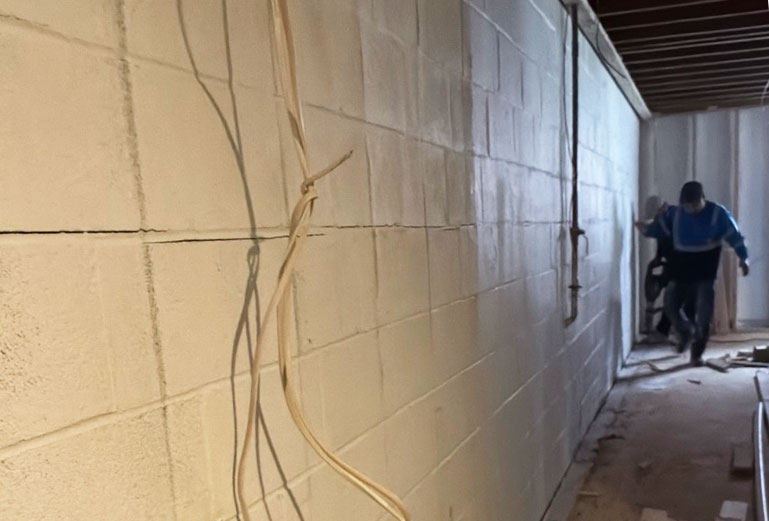
Stair-Step Cracks

Cracks zigzag along mortar joints in a block or brick foundation wall.

Horizontal Cracks

A long crack runs sideways along the wall, often a sign of soil pressure.

Widening Cracks

A crack grows wider or longer over months, or one side sits higher than the other.

Residue or Staining

White chalky deposits or rust-colored stains collect along the edges of a crack.

Our Crack Repair Solutions

Wall Crack Injection for Poured Concrete

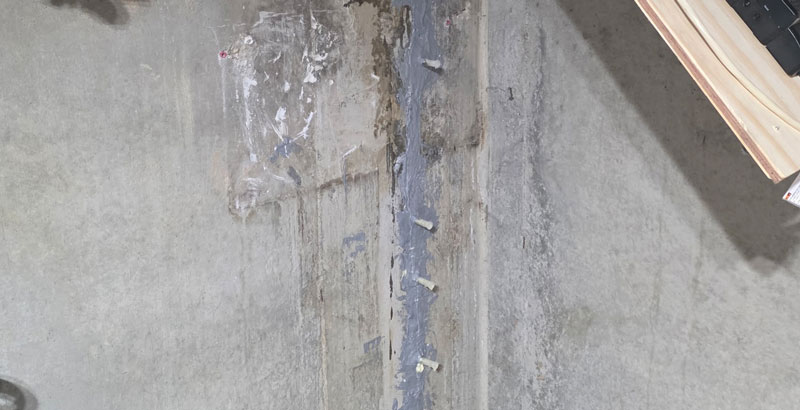
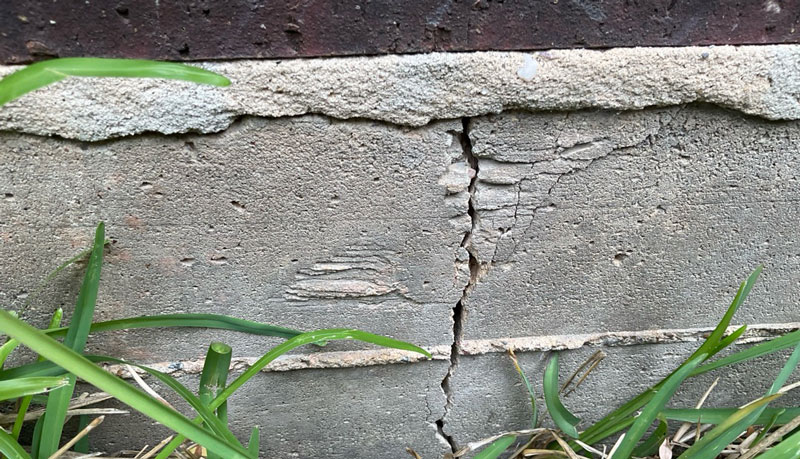
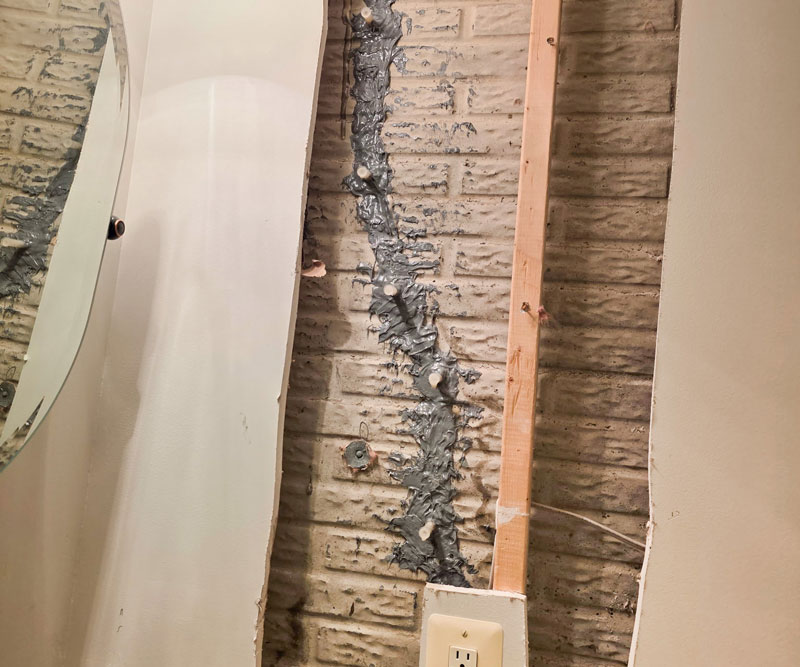
Poured concrete walls usually crack in a fairly straight line, often running up from the floor or out from the corner of a window. These common leak points respond well to crack injection. We clean the crack, seal the face of the wall and inject an epoxy or polyurethane material that fills the crack through the full thickness of the wall, sealing it against water from the outside rather than just covering the surface.

Epoxy bonds the concrete back together and suits dry, stable cracks. Polyurethane stays flexible, expands to fill the gap and is the usual choice for an active, leaking basement wall crack. We choose the material based on the crack’s width, whether it is wet and whether the wall shows movement.

Crack Repair for Block Foundations

Concrete block walls crack differently than poured walls. They often show stair-step cracks along the mortar joints, and the hollow cores inside the block can fill with water. Because water travels through those cores, injecting one crack in a block wall rarely stops a leak for long. For leaking block walls, crack repair is usually paired with interior waterproofing that collects water at the base of the wall.

When mortar joints are cracked but the wall is still straight, we seal and repair the joints and make sure water has somewhere to go. When blocks are broken, displaced or badly deteriorated, the wall may need more than sealing. Our team rebuilds cinder block walls, and we will tell you plainly if that is the right fix.

Basement Floor Crack Repair

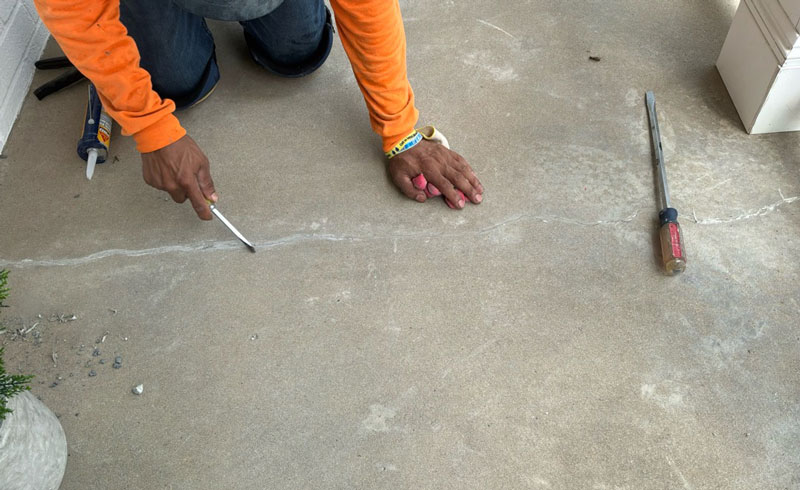
Cracks in the basement slab are common as concrete shrinks and the soil beneath it moves. Dry hairline cracks are often cosmetic, but a crack that lets water up through the floor means groundwater is pressing on the slab from below. Basement floor crack repair seals those cracks against water, moisture and soil gases, and gives you a cleaner surface if you plan to finish the space.

If a floor crack or the cove joint, where the floor meets the wall, leaks every time it rains, sealing alone may only push water to the next weak spot. In that case we relieve the pressure with an interior perimeter drain and sump pump, so water is collected before it reaches the crack.

Cracks From Bowing or Leaning Walls

Horizontal cracks, wide stair-step cracks in block walls and walls that bow, lean or slide at the base usually mean saturated soil is pushing in from outside. Sealing these cracks without stopping the movement only hides the problem for a while.

Because the same team handles foundation repair, we can review a structural crack during your free inspection and plan the whole repair at once. Walls moving inward are stabilized with carbon fiber straps or steel I-beam braces, and badly damaged walls can be rebuilt. Once the wall is stable, we seal the cracks and protect the basement from water.

Cracks From Foundation Settlement

Cracks that are wider at one end, run diagonally from the corners of doors and windows or come with sticking doors and sloping floors can point to a foundation that is sinking or settling. These cracks often return after they are patched, because the soil under the footing is still moving.

When settlement is the cause, foundation settlement repair comes first. Our team uses push piers or helical piers to support the foundation on stable soil, then completes the crack repair so the walls and floor stay sealed.

Our Crack Repair Process

1

Free Inspection

We check every wall and floor crack, the foundation type, drainage and signs of movement.

2

Your Recommendation

We walk you through what we found and what we recommend, with a firm price.

3

Seal and Repair

Our in-house crew injects or seals cracks and installs any drainage or structural repairs.

4

Warranty Protection

Your crack repair is backed by a transferable warranty that stays with the home.

Why Homeowners Choose Best Buy Waterproofing

Foundation crack repair works best when the same team understands both water and structure. We look at the whole basement, not just the crack in front of us.

What Affects the Cost of Crack Repair?

We do not price crack repair from a list, because two cracks that look alike can have very different causes. After your free inspection, you get a firm price based on what your foundation actually needs.

Number and Length

More cracks, or longer ones, take more material and more time to seal.

Foundation Type

Poured concrete and block walls need different repair methods.

Active Leaking

Wet, leaking cracks may need flexible injection or added drainage.

Structural Movement

Bowing, leaning or settling walls need stabilization before cracks are sealed.

Wall or Floor

Floor cracks and cove joints often call for a drainage-based solution.

Access and Finishes

Finished walls, built-ins or stored items can change how we reach a crack.

Crack Repair FAQs

Small vertical cracks are common in poured concrete walls, because concrete shrinks as it cures. Many never leak and never grow. They become a concern when they let water in, widen over time or show one side sitting higher than the other. Horizontal and wide stair-step cracks deserve a closer look, since they can point to soil pressure on the wall.

Direction, width and change over time are the main clues. Horizontal cracks, stair-step cracks in block walls, cracks wider than a hairline and walls that bow or lean usually point to movement. Sticking doors and sloping floors can suggest settlement. Our free inspection looks at all of these and tells you whether you need crack repair, foundation repair or both.

Crack injection fills a crack through the full thickness of a poured concrete wall with an epoxy or polyurethane material. Epoxy bonds the concrete for dry, stable cracks. Polyurethane stays flexible and expands, which makes it a good choice for actively leaking cracks. Injection seals the crack from the inside out rather than covering the surface.

Block walls have hollow cores, so water that gets past one crack can travel through the cores to the next joint. Injection alone rarely stops a leaking block wall. We usually seal damaged mortar joints and pair the repair with interior waterproofing that collects water at the base of the wall. Badly damaged block walls may need to be rebuilt.

Dry hairline cracks are often cosmetic, but sealing them helps limit moisture and soil gases and gives a cleaner surface for finishing. If a floor crack leaks during rain, groundwater is pressing up on the slab. Basement floor crack repair in that case usually works best alongside a perimeter drain and sump pump that relieve the pressure.

Store-bought patches can hide a crack for a while, but they rarely reach through the wall, and water often pushes them out. They also do nothing about soil pressure or settlement. A professional inspection tells you what caused the crack, so the repair addresses the cause instead of the symptom.

Related Services

Foundation Repair

Interior Waterproofing

Basement Finishing

Get Your Cracks Checked for Free

Find out whether your cracks are simple leak points or a sign of something bigger. Book a free inspection for a clear recommendation and a firm price, with financing available.

Scroll to Top