Home » Residential Services » Foundation Repair » Wall Stabilization
Basement Wall Repair & Stabilization
- Licensed & Insured
- 5-Star Rated
- Local Business
- Transferable Warranty
Basement Wall Repair for Bowing, Leaning and Shifting Walls
A basement wall is built to stand straight and hold back the soil around your home. When that soil gets saturated and swells, it pushes sideways with steady force, and over time the wall can start to bow in the middle, lean in at the top or slide inward at the base. Basement wall repair stops that movement before it spreads to the framing and floors above. Best Buy Waterproofing has stabilized walls for homeowners across the Mid-Atlantic since 2017, with one in-house team handling every step.
Across Maryland, Virginia, DC, Pennsylvania, Delaware and West Virginia, many homes sit on dense clay and silt soils that expand when wet and shrink when dry. Freeze-thaw winters and heavy summer storms add more pressure, and older block foundations often show it first. Bowing basement walls and a leaning basement wall are both signs that the soil is winning. Our job is to find out how far the wall has moved, why it moved and which repair will hold it in place for good.
Signs Your Basement Walls Need Repair
Wall movement usually starts slowly. Catching these signs early gives you more repair options and a simpler fix.
Horizontal Cracks
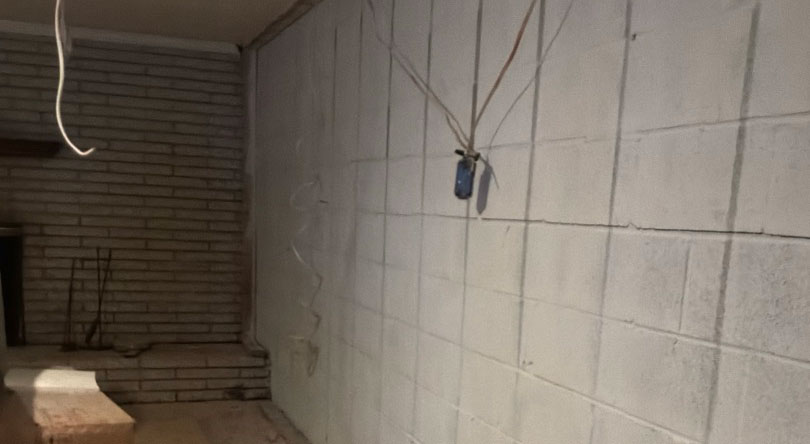
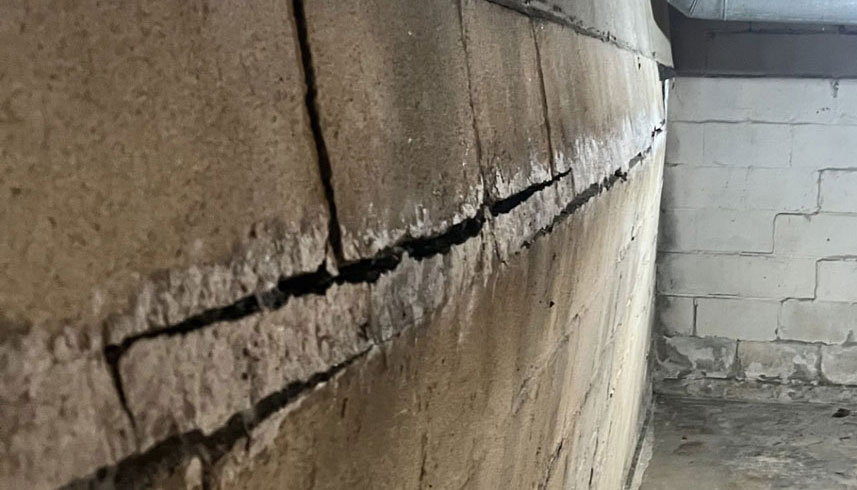
A long crack running across the middle of a wall often marks where it is bowing.
Stair-Step Cracks
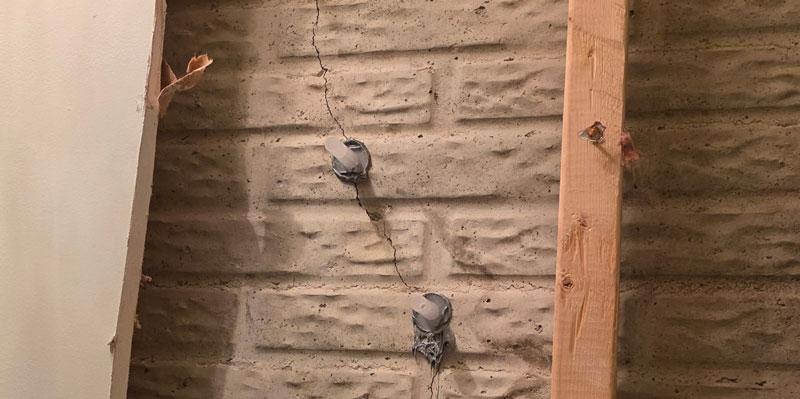
Cracks zigzagging through mortar joints in a block wall point to pressure or movement.
Wall Bulging Inward
The center of the wall bows toward the basement instead of standing flat.
Wall Leaning In
The top of the wall tips inward and is no longer plumb from top to bottom.
Shifted Wall Base
The bottom of the wall sticks out farther than the top, a sign of shearing.
Water Through Cracks
Seepage through wall cracks adds pressure and weakens block and mortar over time.
Our Basement Wall Repair Options
Inspection: Finding Why the Wall Is Moving
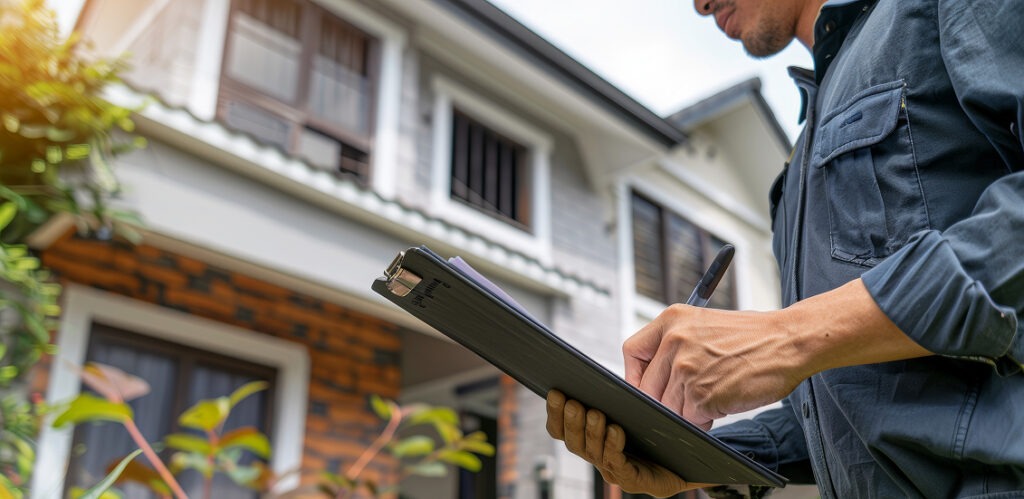
Every basement wall repair starts with understanding why the wall moved. During a free inspection, we check for horizontal and stair-step cracks, bowing, leaning and shifting at the base, and we measure how far the wall has moved from plumb. We also look at the wall material, since block, poured concrete and older masonry walls behave differently under pressure. The amount of movement, the wall type and the cause decide which repair fits your home.
We also walk the outside of the house. Clogged gutters, short downspouts and grading that slopes toward the foundation let water collect against the wall and load the clay soil behind it. Reducing that pressure helps any repair last longer.
Carbon Fiber Straps for Early Bowing
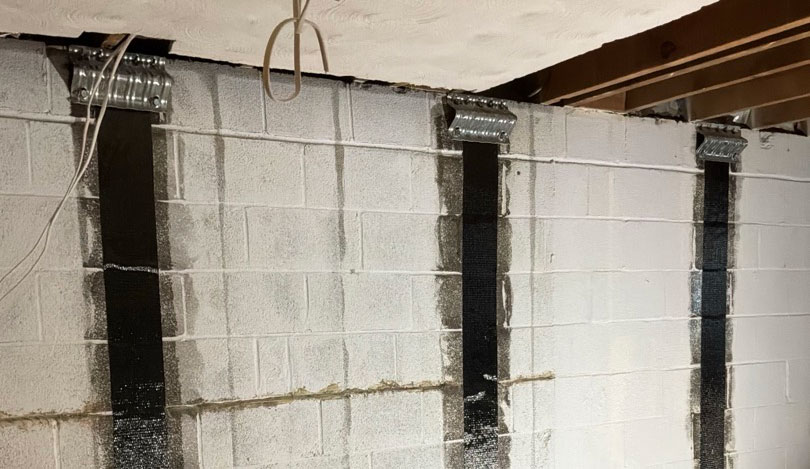
For walls with early, limited bowing, carbon fiber straps are often the least invasive form of basement wall stabilization. The straps are bonded to the inside face of the wall with structural epoxy at set intervals. They add tensile strength to the wall and help halt further inward movement, and the entire installation happens from inside the basement with no digging outside the house.
Carbon fiber straps sit nearly flat against the wall, so they take up very little space and work well in basements you may finish later. They hold a wall where it is rather than straightening it, which is why they suit walls that have not moved too far.
Steel I-Beam Wall Braces for Larger Movement
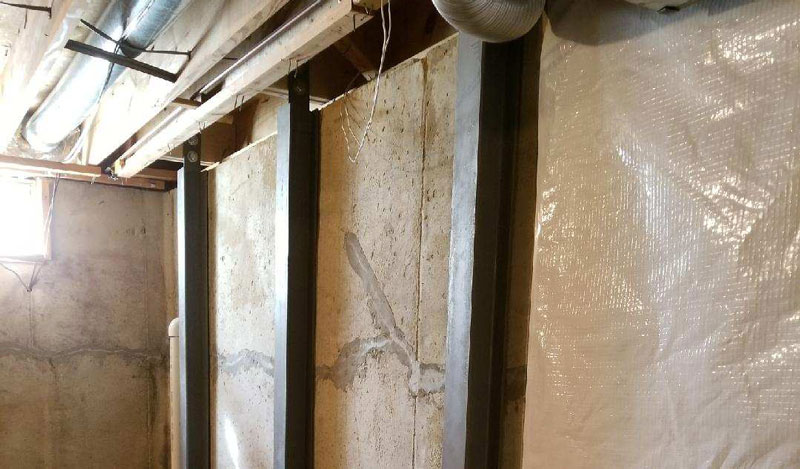
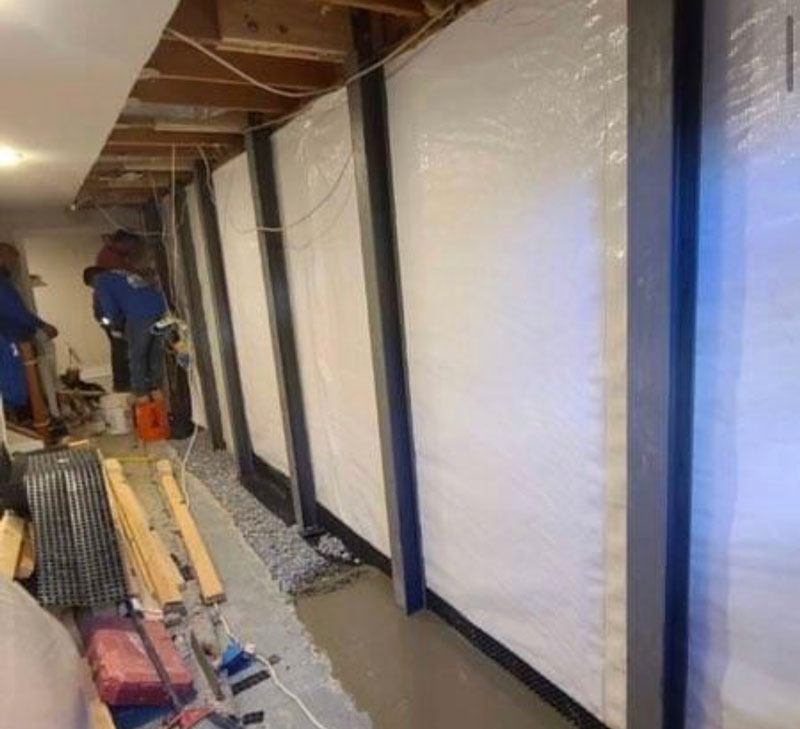
When walls have bowed or leaned further, we install heavy-duty steel I-beam wall braces against the inside of the wall. Each brace is secured at the basement floor and at the floor framing above, so it applies continuous resistance to the soil pushing in. The braces give the wall permanent stabilization without excavation, which matters on tight lots and homes with landscaping, decks or driveways close to the foundation.
Steel I-beam wall braces can also be adjusted over time. With periodic adjustment, they can help gradually straighten bowed or leaning walls. How much correction is possible depends on the wall, and we tell you what to expect before any work begins.
Crack Sealing to Help Keep Water Out
Horizontal cracks and stair-step cracks do more than signal movement. They let water into the basement, and water pressure is one of the forces behind wall movement in the first place. As part of basement wall repair, we seal those cracks to close the openings and help keep water out of the wall and the room.
Because our team also handles waterproofing, we can look at drainage and moisture in the same plan. If the inspection shows active water behind the wall, we explain how interior or exterior waterproofing could protect the repair, so the cause is dealt with along with the wall.
When a Wall Rebuild Is Needed
Some walls have moved too far or are too badly broken to reinforce. When a cinder block wall has severe bowing, large displaced sections or crumbling block and mortar, straps or braces may not be enough to hold it, and rebuilding the damaged section is the right repair. We rebuild cinder block walls in basements and crawl spaces.
We only recommend a rebuild when the inspection shows the wall cannot be reliably stabilized. If that is the case, we explain why, show you what we found and walk you through how the rebuild would be done before anything is scheduled.
Our Basement Wall Repair Process
Free Inspection
A specialist measures the wall, maps the cracks and checks drainage around the house.
Your Recommendation
We walk you through what we found and what we recommend, with a firm price.
Wall Stabilization
Our in-house crew installs straps, braces or crack sealing and cleans up afterward.
Warranty Protection
Your repair is backed by a transferable warranty that stays with the home.
Why Homeowners Choose Best Buy Waterproofing
Basement wall repair is structural work, and the right fix depends on an honest look at the wall. We recommend only what your wall needs and explain why.
- Serving homeowners since 2017: Our team has handled foundation repair and waterproofing across the Mid-Atlantic since 2017.
- Licensed and insured: We are licensed in Maryland, Virginia, Washington DC, Pennsylvania, Delaware and West Virginia, and insured.
- One in-house team: Wall stabilization, crack sealing, waterproofing and wall rebuilds, handled by one crew.
- Free inspection and financing: Inspections and estimates are free, and financing options are available for qualified homeowners.
- Transferable warranty: Your warranty transfers with the home if you sell.
What Affects the Cost of Basement Wall Repair?
We do not quote basement wall repair from a price list, because every wall moves differently. After your free inspection, you get a firm price based on what your wall actually needs.
Amount of Movement
How far the wall has bowed, leaned or shifted decides which repair method fits.
Wall Length
Longer walls need more straps or braces spaced along their length.
Wall Material
Block, poured concrete and older masonry walls call for different approaches.
Cracks and Damage
The number and condition of cracks affects how much sealing is needed.
Water Behind the Wall
Active seepage may call for waterproofing alongside the wall repair.
Finished Basements
Drywall, framing or stored items along the wall can change access.
Basement Wall Repair FAQs
Are bowing basement walls dangerous?
A bowing wall means the soil outside is pushing harder than the wall can resist. Slight bowing is not an emergency, but that pressure usually keeps building, and the wall can keep moving inward until it cracks further or shears at the base. An early inspection tells you how far it has moved and keeps more repair options open.
What causes basement walls to bow or lean?
The main cause is sideways pressure from the soil outside. Clay and silt soils common across the Mid-Atlantic swell when wet, heavy storms saturate them, and freeze-thaw winters add more force. Clogged gutters, short downspouts and poor grading make it worse by letting water collect against the foundation.
Should I choose carbon fiber straps or steel I-beam wall braces?
It depends on how far the wall has moved and what it is made of. Carbon fiber straps suit walls with early, limited bowing and take up very little space. Steel I-beam wall braces suit walls that have bowed or leaned further and can be adjusted over time. We recommend one after the inspection.
Can a leaning basement wall be straightened?
The first goal is stopping the wall from moving. Steel I-beam wall braces apply continuous resistance and, with periodic adjustment, can often help gradually straighten a bowed or leaning basement wall. Carbon fiber straps hold a wall in its current position. How much correction is possible depends on the wall, and we explain what to expect.
When does a basement wall need to be rebuilt instead?
When a cinder block wall has moved too far or is too badly broken to reinforce, stabilizing it may not be enough. In those cases we may recommend rebuilding the damaged section. We only suggest a rebuild when the inspection shows that carbon fiber straps or wall braces will not hold the wall.
Do I need waterproofing along with basement wall repair?
Not always, but water is behind many wall problems. Saturated soil adds pressure, and seepage through cracks weakens block and mortar. If we find active water during the inspection, we explain how waterproofing could protect the repair. One in-house team handles both, so the work can be planned together.
Is basement wall stabilization a DIY project?
No. Basement wall stabilization involves structural loads, specialized equipment and careful installation, and a wall reinforced the wrong way can keep moving. Our crew handles the work from inspection through installation, backed by a transferable warranty.
Related Services
Popular service areas: Baltimore · Washington, DC · Arlington · Alexandria · Columbia · Frederick · Silver Spring · Wilmington · All service areas
Get Your Basement Walls Inspected
Find out how far your wall has moved and what it will take to stop it. Book a free inspection for a clear recommendation and firm price, with financing available.