Welcome to The Best Buy Waterproofing

Washington, DC Wall Stabilization

Carbon fiber straps, steel I-beam braces and block wall rebuilds that stop bowing, leaning and shifting basement walls in Washington, DC homes.

Basement Wall Stabilization Contractors in Washington, DC

A basement wall that bows inward, leans at the top or slides at the base is telling you the soil outside is winning. Best Buy Waterproofing provides wall stabilization in Washington, DC, with one in-house team that inspects the wall, explains what is pushing on it and installs the repair. Left alone, a moving wall rarely stops by itself. Cracks widen, water finds its way in and the wall can reach the point where reinforcing it is no longer enough.

Many DC homes are older rowhouses and semi-detached houses with brick, stone or concrete block foundations, and a lot of them have basements that now serve as living space or English basement units. The clay-heavy soil around them swells when it is wet, and heavy summer storms and freeze-thaw winters add pressure against the walls season after season. Our wall stabilization work uses carbon fiber straps, steel I-beam braces, crack sealing and, when a block wall is too far gone, a rebuild. Every repair is installed from inside the basement.

Signs You Need Wall Stabilization in Washington

Wall movement tends to start small. These are the signs that the pressure on your foundation walls is building.

Horizontal Cracks

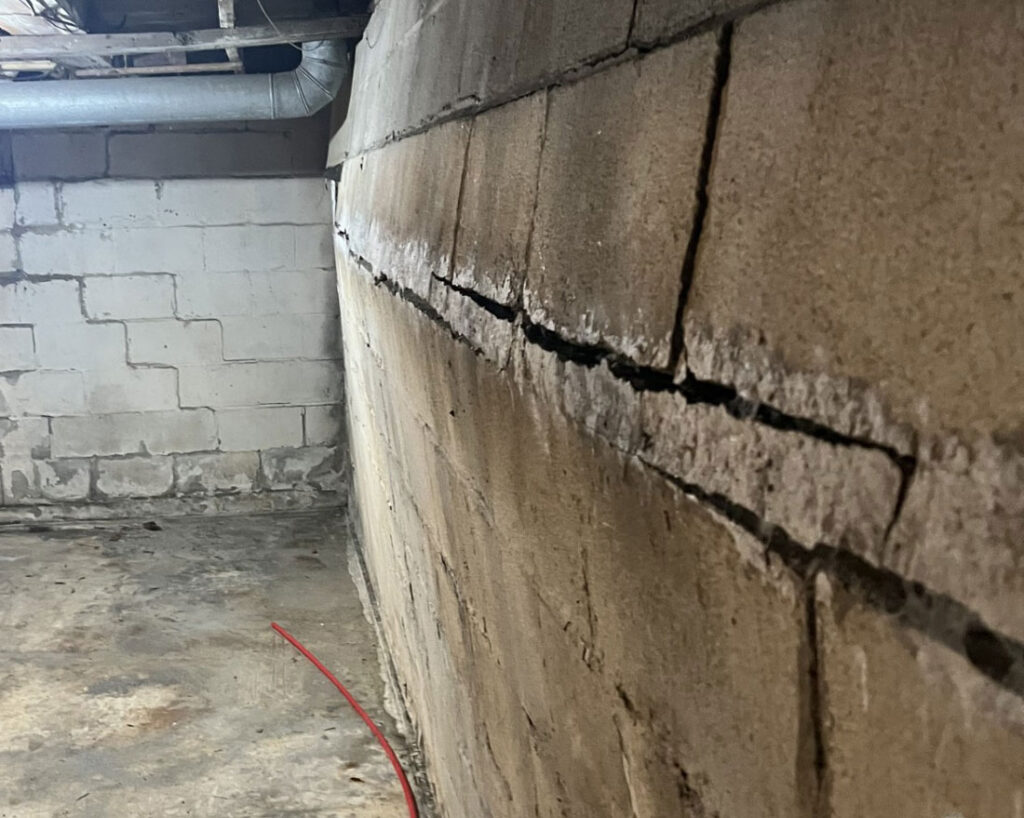
A long crack runs sideways across a block or poured wall, often near mid-height.

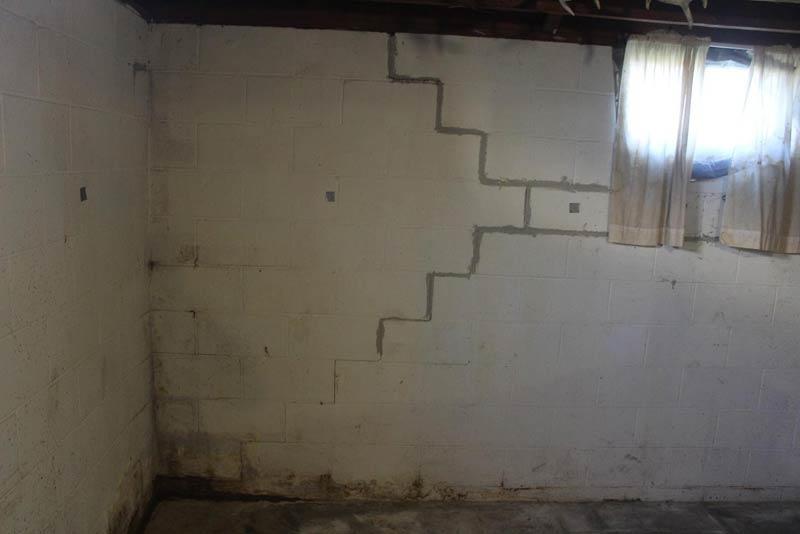
Stair-Step Cracks

Cracks zigzag through mortar joints in block or brick foundation walls.

Bowing Walls

The middle of the wall curves inward toward the basement.

Leaning Walls

The top of the wall tips inward and is no longer plumb.

Shifting at the Base

The bottom of the wall slides inward past the edge of the floor.

Water Through Cracks

Damp streaks or seepage appear along cracks after heavy rain.

How We Handle Wall Stabilization for Washington, DC Homes

Inspection: Finding Why the Wall Is Moving

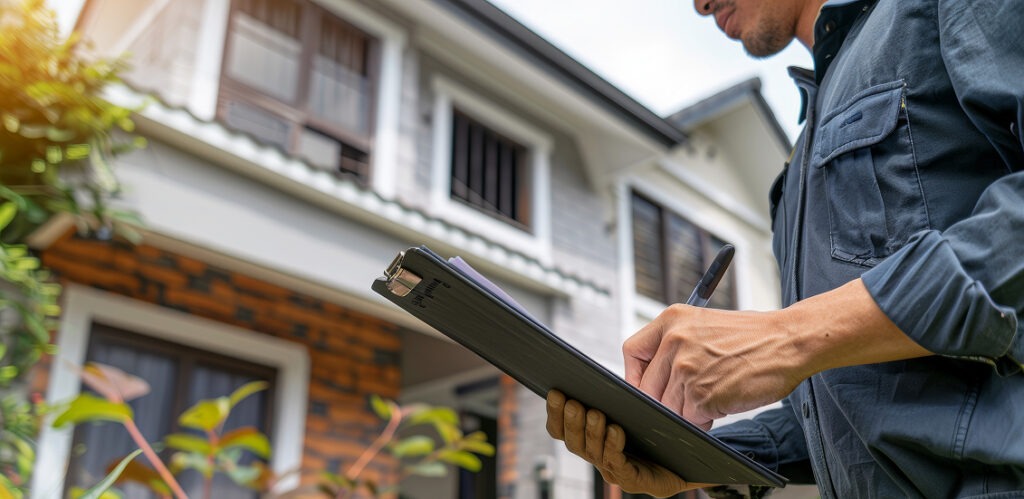
Good wall stabilization starts with knowing why the wall moved and how far. During a free inspection we look for horizontal and stair-step cracks, bowing, leaning and shifting at the base, and we measure how far the wall is out of plumb. We also check the wall material, since brick, stone and block each behave differently, and we look at gutters, downspouts and grading, because water collecting against the foundation adds pressure to the soil outside.

With that information we can tell you whether the wall can be reinforced or needs more work. We walk you through what we found and what we recommend before anything is scheduled.

Carbon Fiber Straps for Early Bowing

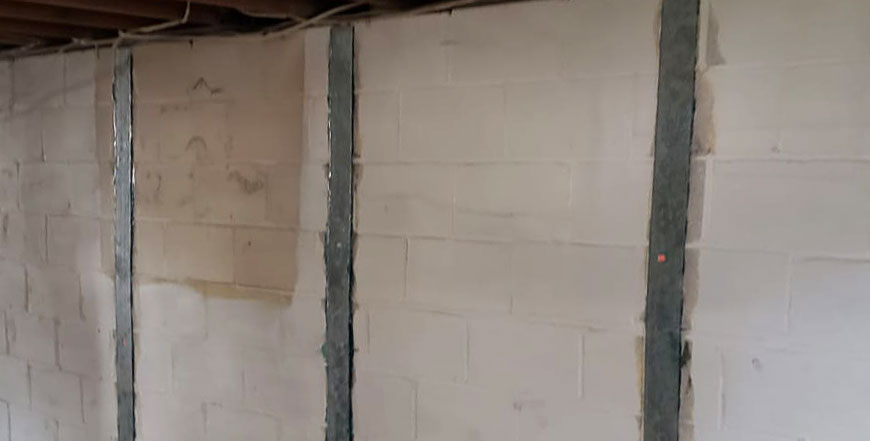
For walls with early, limited bowing, carbon fiber straps are often the least invasive form of wall stabilization. The straps are bonded to the inside face of the wall at set intervals. They add strength to the wall and help halt further inward movement without taking up floor space.

Carbon fiber straps sit nearly flat against the wall, which makes them a good fit for basements that are finished, rented or likely to be finished later. They are installed entirely from inside, with no digging outside the house.

Steel I-Beam Braces for Larger Movement

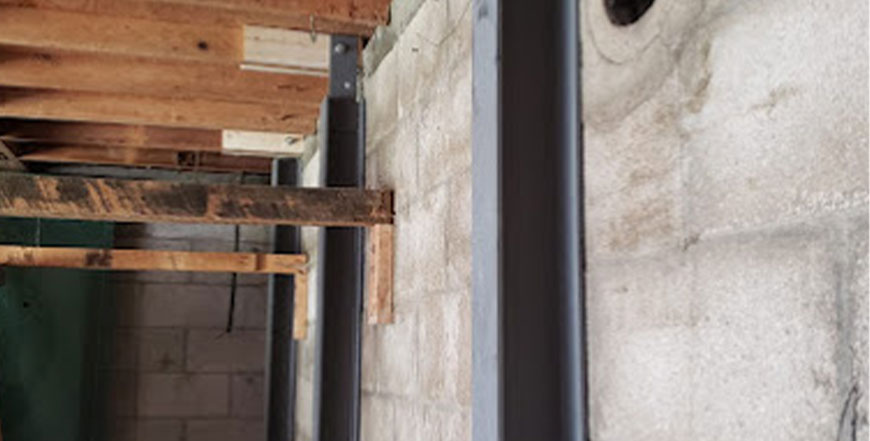
When walls have bowed or leaned further, we install heavy-duty steel I-beam braces against the inside of the wall. Each brace is secured at the basement floor and at the floor framing above, so it applies continuous resistance to the soil pushing in. Steel I-beam braces give the wall permanent support and are suited to walls that have moved past the point where straps alone are enough.

Like carbon fiber, the braces go in from inside the basement. That matters on tight DC lots and alley-access homes where there is little room to dig along the foundation.

Crack Sealing to Keep Water Out

Horizontal and stair-step cracks do more than signal movement. They let water into the basement, and water pressure in the soil is one of the forces behind leaning walls in the first place. As part of wall stabilization, we seal those cracks to close the openings and help keep water out of the wall and the room.

If the inspection shows a larger water problem, we can pair the repair with basement waterproofing so the wall is protected from both sides.

Block Wall Rebuilds

Some walls have moved too far or are too badly broken to reinforce. When a cinder block wall has severe bowing, large displaced sections or crumbling block and mortar, straps or braces may not hold it, and rebuilding the damaged section is the right basement wall repair. We rebuild cinder block walls in basements and crawl spaces.

We will tell you honestly if your wall has reached that point.

Our Wall Stabilization Process

1

Free Inspection

We measure wall movement, map cracks and check drainage around the foundation.

2

Your Recommendation

We explain what we found and whether straps, braces or a rebuild fits.

3

Interior Installation

Our in-house crew installs the repair from inside and seals cracks along the wall.

4

Warranty Protection

Your repair is backed by a transferable warranty that stays with the home.

Why Washington, DC Homeowners Choose Best Buy Waterproofing

Wall stabilization protects the structure your whole house stands on, so Washington homeowners want a contractor who explains the problem plainly. Here is what you get with our team.

Best Buy Waterproofing Office

What Affects the Cost of Wall Stabilization in Washington?

We do not quote wall stabilization from a price list, because every wall moves differently. You get a firm price after your free inspection, once we know exactly what your basement needs.

Amount of Movement

How far the wall has bowed, leaned or shifted from plumb.

Length of Wall

Longer affected walls need more straps or braces along their length.

Repair Method

Carbon fiber straps, steel I-beam braces and rebuilds each involve different work.

Wall Material

Block, brick, stone and poured walls call for different repair details.

Finished Space

Drywall, framing or a rented unit may need to be opened up for access.

Water Problems

Active leaks may call for crack sealing or waterproofing alongside the repair.

Wall Stabilization FAQs

A bowing wall is a structural problem that tends to get worse over time. Early bowing is usually not an emergency, but it should be inspected soon. Walls that are leaning sharply, shifting at the base or cracking quickly need prompt attention before the damage grows.

Clay-heavy soil swells when it gets wet and pushes against foundation walls. Heavy summer storms, poor drainage and freeze-thaw winters add to that pressure. Older block and brick walls in DC homes are especially prone to bowing, leaning and shifting once that pressure builds.

Carbon fiber straps suit walls with early, limited bowing and sit nearly flat, which helps in finished basements. Steel I-beam braces suit walls that have moved further. We recommend one or the other after measuring your wall, and we explain why.

Often it helps. Water building up in the soil adds pressure against the wall and seeps in through cracks. We seal cracks as part of every repair, and if the inspection shows a larger water problem, we can recommend basement waterproofing so your Washington basement stays dry as well as stable.

When a block wall has severe bowing, large displaced sections or crumbling block and mortar, reinforcing it may not be enough. In that case rebuilding the damaged section is the right repair. We tell you during the inspection if your wall has reached that point.

No. Stabilizing a foundation wall means judging how much movement the wall has seen and choosing a repair that can hold against the soil outside. Getting that wrong can let the wall keep moving. A free inspection gives you a clear answer at no cost.

More Services in Washington, DC

Foundation Repair in Washington, DC

Settling Foundation Repair in Washington, DC

Basement Waterproofing in Washington, DC

Wall stabilization near Washington, DC: Arlington, VA · Alexandria, VA · Bethesda, MD · Silver Spring, MD · Rockville, MD · Falls Church, VA

Stop Your Basement Walls From Moving

If you see horizontal cracks or a wall that is bowing or leaning, schedule a free inspection with Best Buy Waterproofing. We serve homes across Washington, DC and will show you exactly what your walls need.

Scroll to Top