

Welcome to The Best Buy Waterproofing

Washington, DC Basement Waterproofing

Interior drains, sump pumps, exterior membranes and crack repair that keep Washington, DC basements dry, installed by one licensed, insured in-house team.

Basement Waterproofing Contractors in Washington, DC

Best Buy Waterproofing provides basement waterproofing in Washington, DC for homeowners tired of damp walls, puddles after storms and the musty smell that comes with a leaky basement. Much of the District sits on clay-heavy soil that holds water and swells against foundation walls. Heavy summer storms push water toward the house fast, humid summers keep basement air damp, and freeze-thaw winters open small gaps in mortar and concrete. We find where the water is getting in, explain what is happening, and recommend a waterproofing system that fits your home.

Many DC homes are older rowhouses and semi-detached houses with brick, stone or block foundations and shared party walls. Those foundations were not built with modern drainage, and tight lots and alley access limit where a crew can dig. That is why we look at each house on its own terms, whether it is a rowhouse on Capitol Hill or a detached home in Brookland. Our licensed and insured in-house team handles every part of the job, from drains and pumps to crack repair, and every project starts with a free inspection.

Signs You Need Basement Waterproofing in Washington

Water rarely shows up all at once. If you notice any of these warning signs in your Washington, DC home, schedule an inspection before the problem grows.

Water After Storms

Puddles on the floor or wet carpet after heavy rain or snowmelt.

Leaks at the Cove

Water seeping in where the basement floor meets the foundation walls.

Cracks in Walls or Floor

Cracks in concrete, block or mortar joints that look damp or keep growing.

White Chalky Residue

Powdery mineral deposits on walls, left behind as water moves through masonry.

Musty Odors

A damp, stale smell that lingers even when you cannot see standing water.

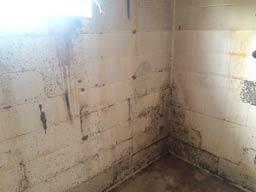
Mold or Peeling Paint

Mold spots, peeling paint or warped trim along the lower walls and floor.

Basement Waterproofing Solutions for Washington, DC Homes

Interior Drainage Systems

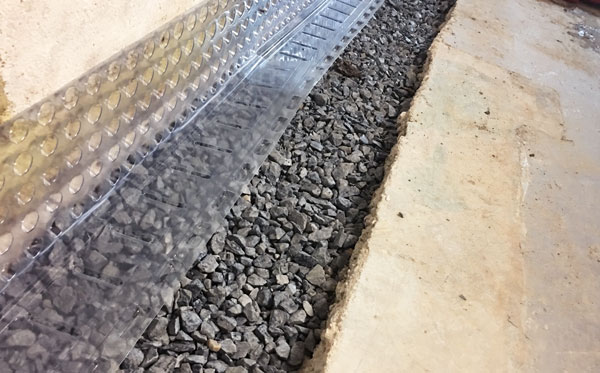
For most DC basements, an interior drainage system is the most practical way to stop water. We install a perforated drain in clean gravel around the basement perimeter, where the floor meets the walls. Water coming through the walls or up under the slab flows into the drain and on to a sump pump that discharges it away from the house. Because the work happens inside, it suits rowhouses with shared party walls and tight lots.

Where walls need extra protection, we add wall sealing or wall systems, such as vapor barriers and wall panels, that guide moisture down to the drain, with no disruption to your yard or alley.

Sump Pumps and Battery Backup

A sump pump is the heart of most waterproofing systems. We set a sump pit at a low point in the basement floor, connect it to the perimeter drain and install a primary pump sized to the water your basement sees. When water reaches a set level, the pump moves it out through a discharge line with a check valve, routed so it drains away from the foundation.

The storms that bring the most water to Washington often knock out the power. A battery backup sits in the same pit and takes over automatically when the power fails or the primary pump cannot keep up, and we include an alarm with every backup system.

French Drain Installation

A French drain is a perforated pipe set in gravel that collects groundwater and gives it an easy path away from your foundation. Inside the basement, it runs along the perimeter and relieves hydrostatic pressure under the slab. Outside, a footer drain at the base of the walls does the same job. In the clay soil common across Washington, water drains slowly and collects against the foundation, so a clear route out matters.

We route each French drain to a sump pump or another suitable discharge point, so the water you collect does not find its way back to the house.

Basement Crack Repair

Cracks in basement walls and floors are a common source of leaks, and they rarely stay the same size. In older DC foundations, water also finds its way through deteriorated mortar joints in brick, stone and block. Our basement crack repair seals leaking cracks in poured concrete walls, block walls and floor slabs so water has one less way in.

During the inspection we also check whether a crack points to a structural concern, such as a bowing wall or a settling corner. If it does, our foundation repair team can address it in the same plan.

Exterior Waterproofing

Exterior waterproofing stops water outside the foundation before it touches the walls. Our crew excavates along the affected walls down to the footing, applies a waterproof membrane and dimple board, sets a footer drain in gravel and backfills with washed gravel instead of the dense clay that held water against the wall. It works on poured concrete and block foundations, and older stone and brick walls get extra preparation.

Exterior work needs room to dig, so it fits detached homes and accessible walls best. On a rowhouse with shared party walls, we will tell you honestly when an interior system is smarter.

Basement Dehumidifiers

Stopping leaks does not always fix damp air, and humid Washington summers keep basements muggy for months. A commercial-grade basement dehumidifier pulls moisture out of the air, reduces musty odors and makes conditions less friendly to mold, pests and wood rot. Our units are compact, quiet and low maintenance, and we set them up so collected water drains away automatically.

A dehumidifier pairs well with interior or exterior waterproofing, especially if you rent out an English basement unit or plan to finish the space.

Our Basement Waterproofing Process

1

Free Inspection

We inspect walls, floors, grading and drainage to find exactly where water is getting in.

2

Your Recommendation

We walk you through what we found and what we recommend for your home.

3

System Installation

Our in-house crew installs drains, pumps or membranes, handles permits when required and cleans up.

4

Warranty Protection

Qualifying work comes with a transferable warranty that stays with your home if you sell.

Why Washington, DC Homeowners Choose Best Buy Waterproofing

Basement waterproofing is an investment in your home, and Washington homeowners want a contractor who explains the problem clearly and stands behind the work. Here is what you get with us.

What Affects the Cost of Basement Waterproofing in Washington?

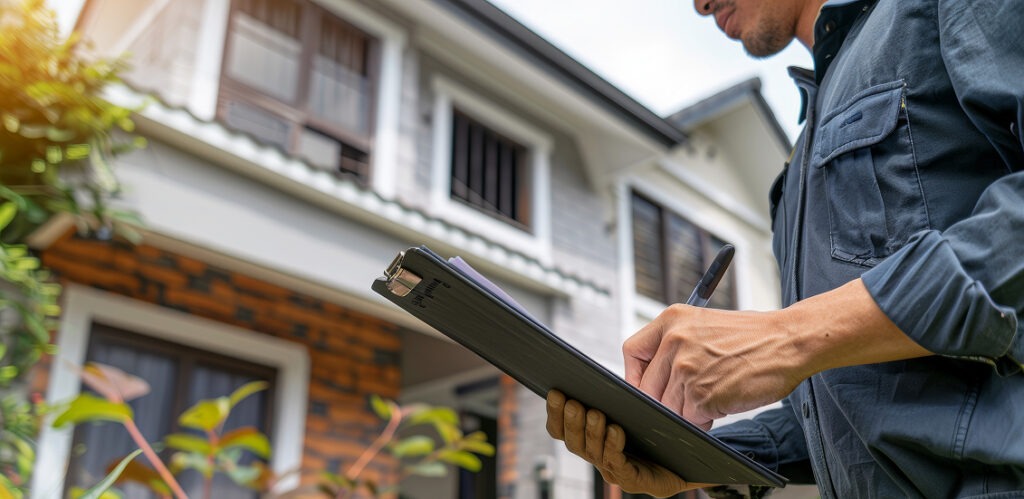
We don’t quote basement waterproofing from a price list, because every basement takes on water in its own way. After your free inspection, you get a firm price based on what your home actually needs.

Basement Size

The length of the perimeter and the number of affected walls shape the scope.

Interior or Exterior

Interior drainage and exterior excavation involve very different labor and materials.

Foundation Type

Brick, stone, block and poured concrete walls each need different preparation.

Access and Lot

Party walls, tight lots, alley access and finished spaces change the work involved.

Pump Needs

Whether you need a new sump pump, battery backup or alarm affects the system.

Cracks and Damage

Leaking cracks or structural movement may call for repairs alongside waterproofing.

Basement Waterproofing FAQs

Many DC homes have older brick, stone or block foundations built before modern drainage. Clay-heavy soil holds water against the walls, heavy summer storms send water toward the house quickly, and freeze-thaw cycles open gaps in mortar and concrete. Together, those conditions let water through walls, cracks and the floor joint.

For most rowhouses, an interior drainage system is the practical choice. Shared party walls, tight lots and additions often make it impossible to dig along every wall, and partial excavation rarely solves a whole-basement problem. Exterior waterproofing works well where walls are accessible. We recommend one approach after the free inspection and explain why.

If your basement relies on a sump pump, a battery backup is one of the most practical upgrades you can make. Strong storms often cause power outages exactly when the pump is needed most. The backup takes over automatically when the power fails or the primary pump cannot keep up, and an alarm warns you about pump or power problems.

Yes. Many Washington homeowners use their basements as living space or rental units, so we plan the work to limit disruption. Depending on the layout, that may mean an interior system along the perimeter or exterior waterproofing that leaves finished walls and floors alone. We explain what is involved before work begins.

No. A dehumidifier controls moisture in the air, but it cannot stop water coming through walls, cracks or the floor joint. When we find active leaks, we recommend fixing them first with drainage, a sump pump, crack repair or exterior waterproofing. Then a basement dehumidifier handles the humidity that remains during humid DC summers.

When a permit is required for your project, we handle it as part of the job. We will let you know during your recommendation whether your work needs one. Call (844) 980-3707 to schedule a free inspection anywhere in Washington, DC, and ask about financing options.

More Services in Washington, DC

Foundation Repair in Washington, DC

Mold Removal Services

Mold Remediation in Washington, DC

Basement Finishing in Washington, DC

Basement waterproofing near Washington, DC: Arlington, VA · Alexandria, VA · Bethesda, MD · Silver Spring, MD · Rockville, MD · Falls Church, VA

Schedule Your Free Basement Inspection

A wet basement only gets worse with each storm. Call Best Buy Waterproofing at (844) 980-3707 for a free inspection anywhere in Washington, DC, and find out exactly what your basement needs to stay dry.

Scroll to Top