Home » Service Areas » Washington, DC » Washington, DC Basement Waterproofing » Washington, DC Interior Waterproofing
Washington, DC Interior Waterproofing
- Licensed & Insured
- 5-Star Rated
- Local Business
- Transferable Warranty
Interior Basement Waterproofing in Washington, DC
Best Buy Waterproofing provides interior waterproofing in Washington, DC for rowhouses, semi-detached homes and detached houses with brick, stone and block foundations. Clay-heavy soil around many DC homes holds water after a summer storm, and that water presses against the walls and floor until it finds a joint, crack or porous stretch of masonry. Interior waterproofing does not try to stop every drop at the outside face of the wall. It gives water a planned path, collecting it at the base of the walls and sending it out of the house before it spreads.
For many Washington homes, interior basement waterproofing is the most practical choice. Shared party walls, tight lots and alley access can make digging outside difficult or impossible, while an interior system is installed entirely from inside your basement. Our in-house team has done this work since 2017, and every project starts with a free inspection so we can confirm the right fix for your wet basement.
Signs You Need Interior Waterproofing in DC
Most basements show warning signs long before water covers the floor. If you see any of these in your Washington home, it is a good time for an inspection.
Water at the Wall Base
Water seeps in where the floor meets the wall after heavy rain.
Damp or Stained Walls
Dark patches, water lines or white, chalky residue on brick, stone or block.
Leaking Cracks
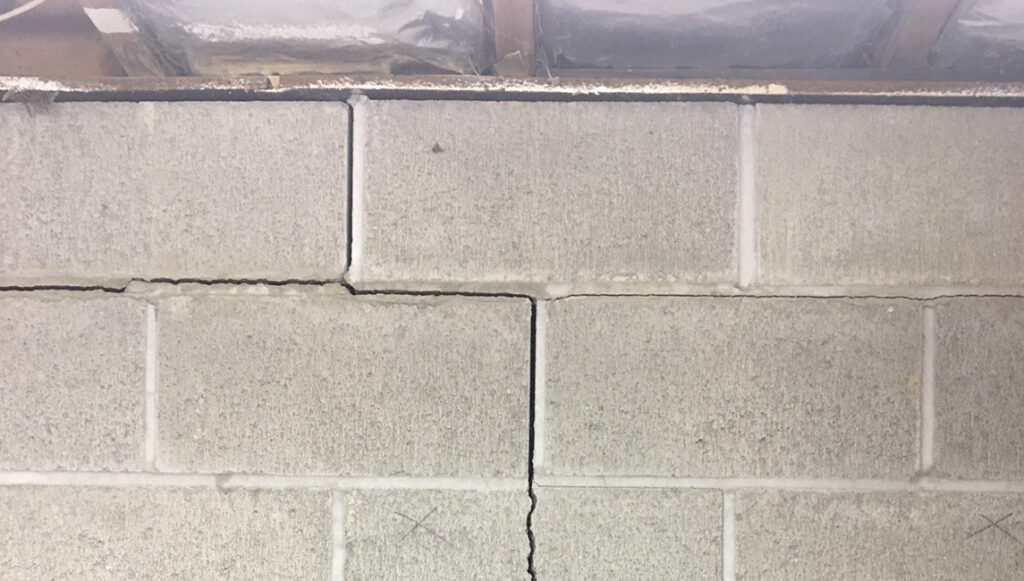
Cracks in the walls or floor slab that seep water during wet weather.
Musty Odors
A damp, musty smell that lingers no matter how often you clean.
Sticky, Humid Air
Condensation on pipes or peeling paint during humid DC summers.
Struggling Sump Pump
An old pump that runs constantly, fails in outages or has no backup.
What Our Interior Waterproofing System Includes
Interior Perimeter Drain
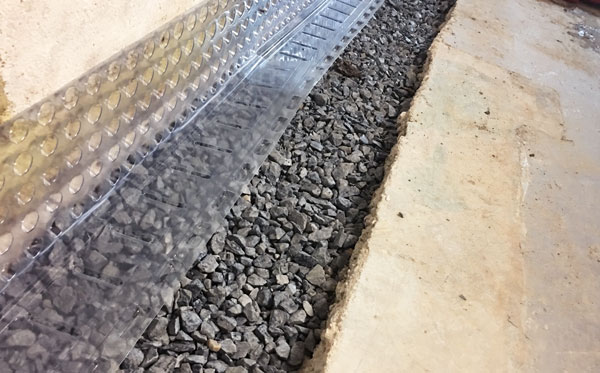
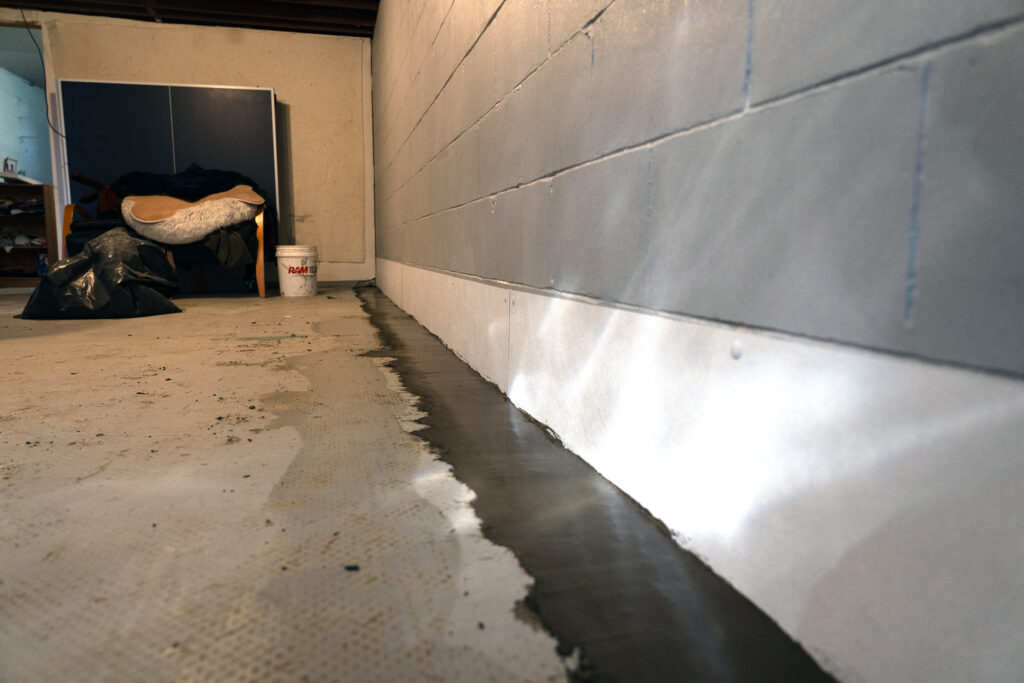
The core of interior waterproofing is a perimeter drain, often called an interior French drain. We open a trench along the inside edge of the basement floor where it meets the foundation walls, set perforated pipe in clean gravel and slope it so water flows by gravity to a sump pit. Water that pushes up through the floor joint or runs down the walls drops into the drain instead of onto your floor, which relieves the pressure that builds in saturated DC clay after a storm.
Sump Pump and Battery Backup
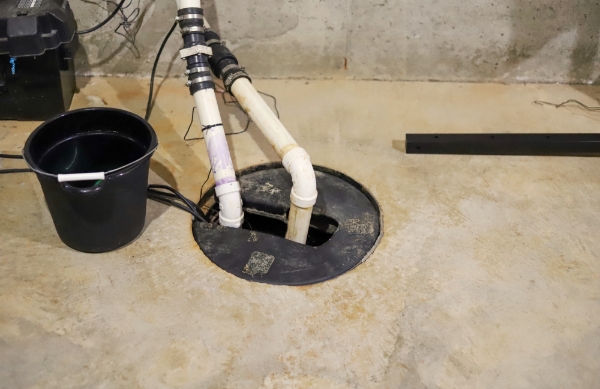
The perimeter drain carries water to a sump pit, and the sump pump moves it out. When water in the pit reaches a set level, the pump switches on and discharges it away from the foundation. We size the pump to the amount of water your basement takes on, so it keeps up during heavy summer storms.
Storms that bring the most water can also knock out power. A battery backup keeps the system running during an outage, and an alarm warns you about pump or power problems.
Basement Wall Sealing and Crack Repair
Older brick, stone and block walls let moisture pass through slowly, even when there is no obvious leak. Basement wall sealing helps limit that dampness at the wall surface, and leaking cracks in the walls or slab are sealed as part of the same plan, so water has fewer ways into your living space.
A coating alone cannot hold back water pressure, so we pair sealing with a drain that removes the water.
Wall Systems for Brick and Stone Foundations
Some walls need more than sealing. A vapor barrier fastened to the foundation walls directs seepage down into the perimeter drain rather than letting it run across the floor. Wall panels give damp, stained walls a clean surface that holds up to moisture better than paint. On a shared party wall, an interior wall system is often the only practical way to manage water coming through that wall.
Dehumidification
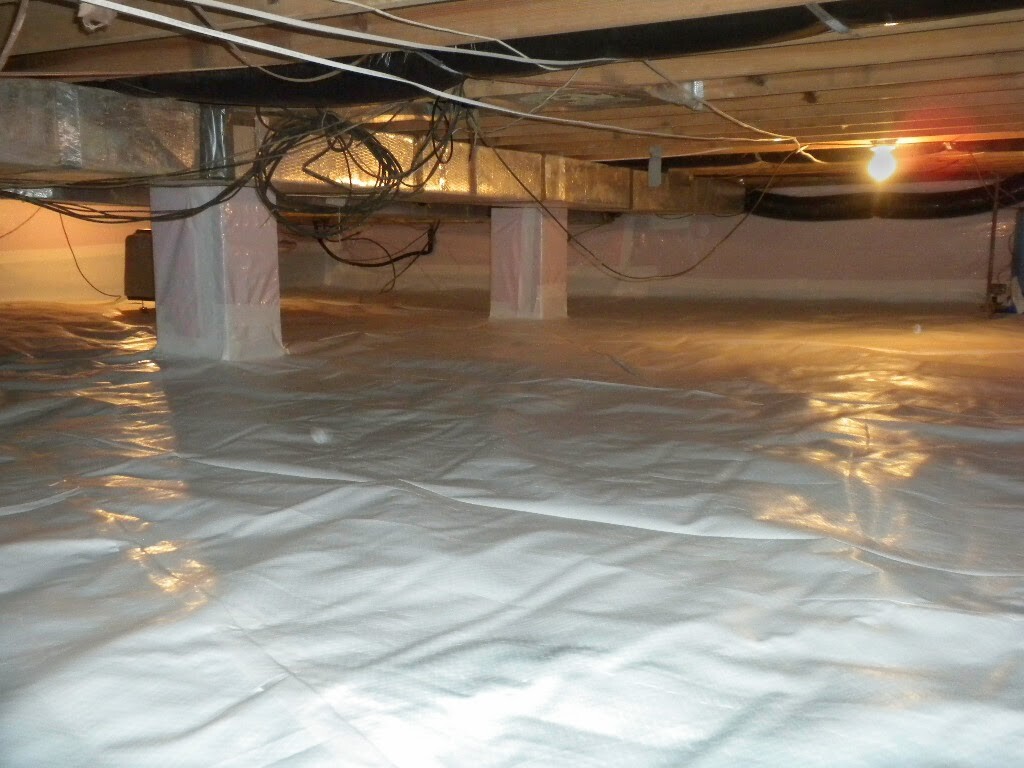
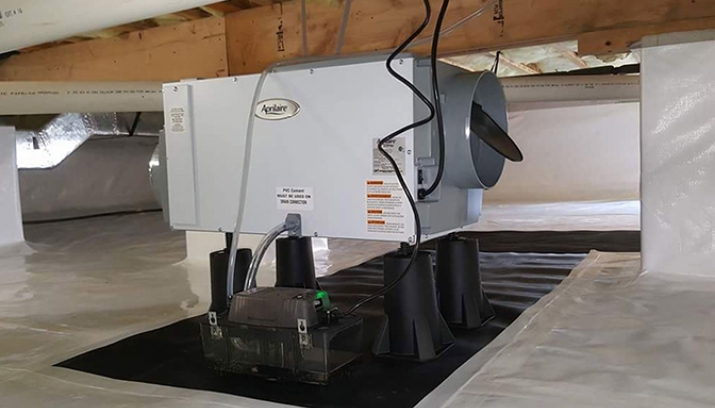
Drainage handles liquid water, but humid Washington summers still load basement air with moisture. A properly sized dehumidifier works with the drain and sump pump to control humidity, reduce musty odors and make the space less welcoming to mold. For many homes it is the finishing piece of a complete interior basement waterproofing system.
Built for Rowhouses and English Basements
Many DC basements are narrow, low and reached through a rear door or a single stair. Interior waterproofing fits those conditions: nothing is dug outside, your neighbors’ walls and yards are left alone, and no equipment has to come through a tight alley. If you rent an English basement, a dry space protects your tenant and your investment.
We protect the work area and clean up when we finish. When a permit is required, we handle it.
Our Interior Waterproofing Process
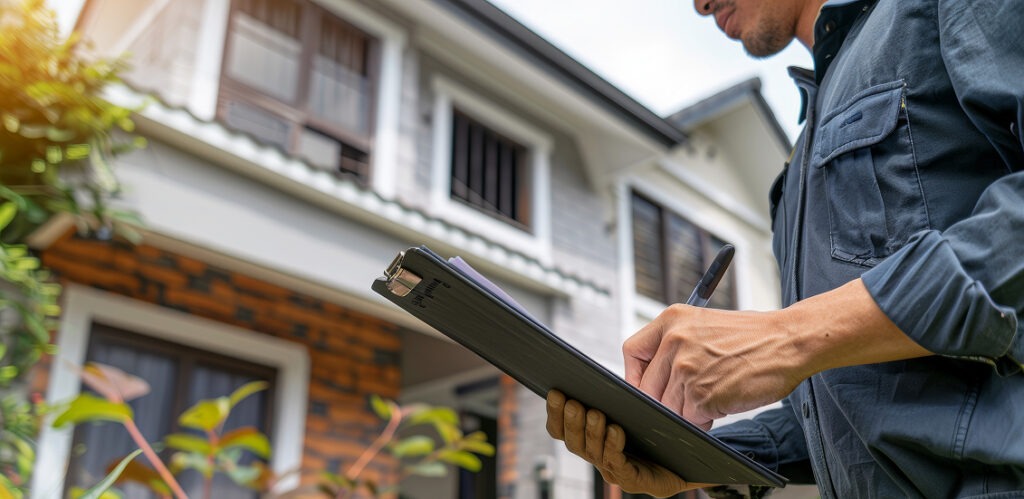
Free Inspection
We check walls, floor, cracks, humidity and any existing sump pump to find where water enters.
Your Recommendation
We walk you through what we found and what we recommend, with a firm price.
Interior Installation
Our in-house crew installs the drain, sump pump and wall system, then cleans up.
Warranty Protection
Your system is backed by our transferable warranty.
Why Washington, DC Homeowners Choose Best Buy Waterproofing
Interior waterproofing only works when every part of the system is installed correctly. Washington, DC homeowners call us because our own crew handles the whole job.
- Licensed and insured: Licensed in Washington, DC, Maryland, Virginia, Pennsylvania, Delaware and West Virginia, and insured.
- One in-house team: The same team handles waterproofing, foundation repair, mold remediation and basement finishing.
- Serving homeowners since 2017: We have kept Mid-Atlantic basements dry since 2017.
- Free inspection and financing: No-cost inspections, plus financing options for qualified DC homeowners.
- Transferable warranty: Coverage that can pass to the next owner if you sell your home.
What Affects the Cost of Interior Waterproofing in Washington, DC?
We do not quote interior waterproofing from a price list, because every basement takes on water differently. You get a firm price after your free inspection.
Basement Perimeter
Longer walls need more trench, pipe and gravel for the perimeter drain.
Foundation Type
Brick, stone and block walls each call for different details.
Pump and Backup
Pump size, battery backup and alarm options depend on your water volume.
Wall System Choice
Sealing, a vapor barrier or wall panels each change the scope.
Cracks and Damage
The number and condition of wall and floor cracks to seal.
Access and Finishes
Low ceilings, narrow stairs or finished walls can affect how work proceeds.
Interior Waterproofing FAQs
Is interior waterproofing better than exterior waterproofing for a DC rowhouse?
Often, yes. Exterior work means digging along the outside of the walls, and a rowhouse may have only a front and rear wall you can reach. Interior waterproofing manages water from inside the basement, including water coming through a shared party wall. Your free inspection confirms which approach suits your home.
Does interior waterproofing work on stone and brick foundations?
Yes. Many older Washington homes, including rowhouses in neighborhoods like Capitol Hill and Petworth, sit on stone or brick foundations. A perimeter drain at the base of the wall collects water that seeps through the masonry, and a vapor barrier can direct wall seepage down into that drain.
Why do I need a battery backup for my sump pump?
Heavy summer storms are often when the power goes out, which is exactly when your basement needs the pump most. A battery backup keeps the sump pump running during an outage so water keeps moving out of the pit instead of onto your floor.
Can I just paint my basement walls with a waterproof coating?
Coatings can reduce minor dampness, but they do not relieve the water pressure behind the wall, and pressure can lift a coating and find another way in. We use basement wall sealing as part of a system that includes a perimeter drain to remove the water.
How disruptive is the installation?
We need clear access along the basement walls to trench the floor for the perimeter drain. We protect the work area and clean up when we finish. Because the work stays inside, your yard, patio and your neighbors’ property are untouched.
Can I finish or rent my English basement after interior waterproofing?
A dry basement is the right starting point for finishing or renting. Once your interior waterproofing system is controlling water, our same in-house team can help turn the space into usable living area, and we offer financing for qualified homeowners.
More Services in Washington, DC
Interior waterproofing near Washington, DC: Arlington, VA · Alexandria, VA · Bethesda, MD · Silver Spring, MD · Rockville, MD · Falls Church, VA
Get Your DC Basement Dry for Good
Schedule a free inspection and find out whether interior waterproofing is the right fix for your Washington, DC home. Call (844) 980-3707 or request your estimate online.