

Welcome to The Best Buy Waterproofing

Dundalk, MD Spray Foam Insulation

Closed-cell spray foam for Dundalk basements and crawl spaces that seals drafts at the foundation, limits condensation and warms the floors above.

Basement & Crawl Space Spray Foam in Dundalk, MD

The brick rowhouses and small homes built across Dundalk in the 1940s and 1950s were made to last, and most of them have. What they were not built with is insulation below the first floor. In many of these houses, the basement walls are bare block or concrete, and the rim joist, the wooden band that sits on top of the foundation, is open to the cold. In winter that means chilly floors and drafts along the baseboards. In summer, humid air off the water settles on those same cool walls as condensation.

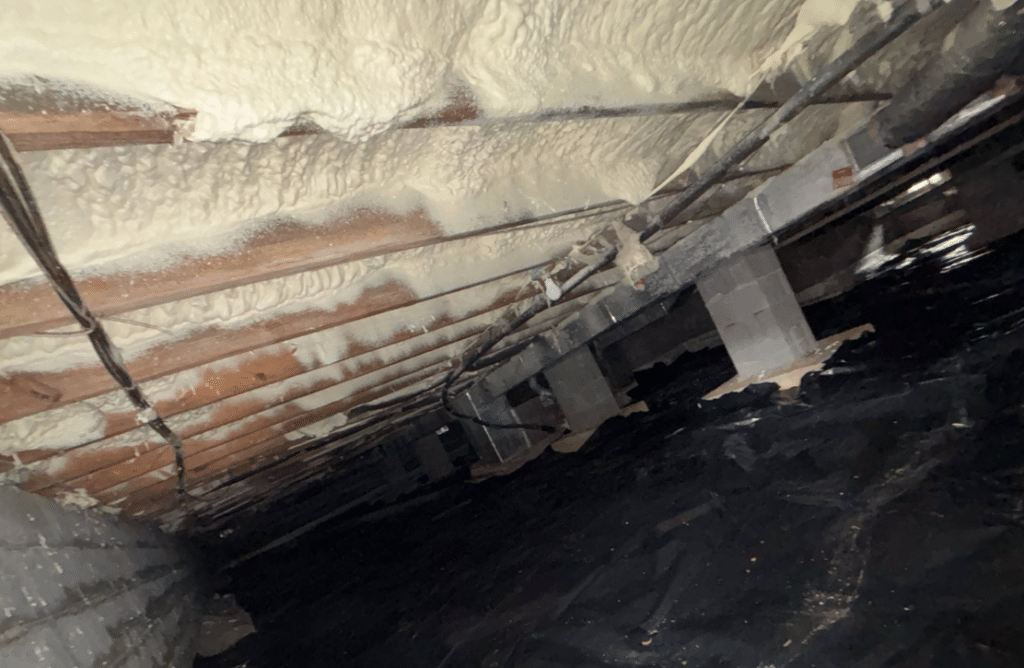
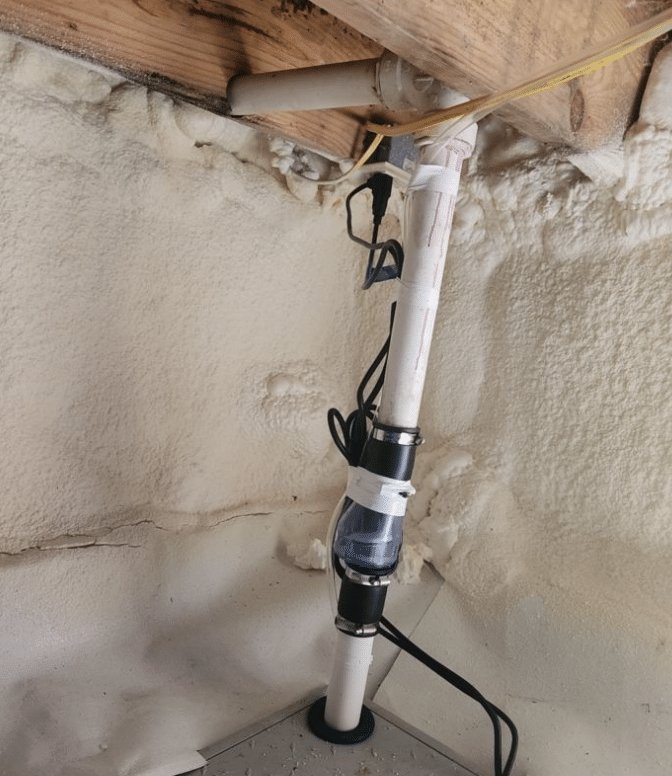
Best Buy Waterproofing installs spray foam insulation in Dundalk, MD, and we focus only on basements and crawl spaces. We apply closed-cell spray foam to basement walls, rim joists and crawl space walls, where it insulates, seals air leaks and resists moisture in a single layer. Because our in-house crew also handles waterproofing and crawl space repair, we make sure the space is dry before any foam goes on, so the insulation is not covering up a leak.

Signs You Need Spray Foam Insulation in Dundalk

Missing insulation below the floor shows up as discomfort, damp and higher bills. Here is what Dundalk homeowners usually notice first.

Cold Floors in Winter

First-floor rooms that feel chilly underfoot, even with the heat running.

Drafts at the Baseboards

Cold air sneaking in where the framing meets the foundation.

Sweating Basement Walls

Moisture beading on block or concrete during humid summer weather.

Sagging Old Fiberglass

Batts drooping between joists or fallen onto the floor below.

Rising Energy Bills

Heating and cooling running longer than they used to.

Uneven Room Temperatures

An addition or back room that never matches the rest of the house.

Spray Foam Insulation Solutions for Dundalk Homes

Rim Joist Insulation

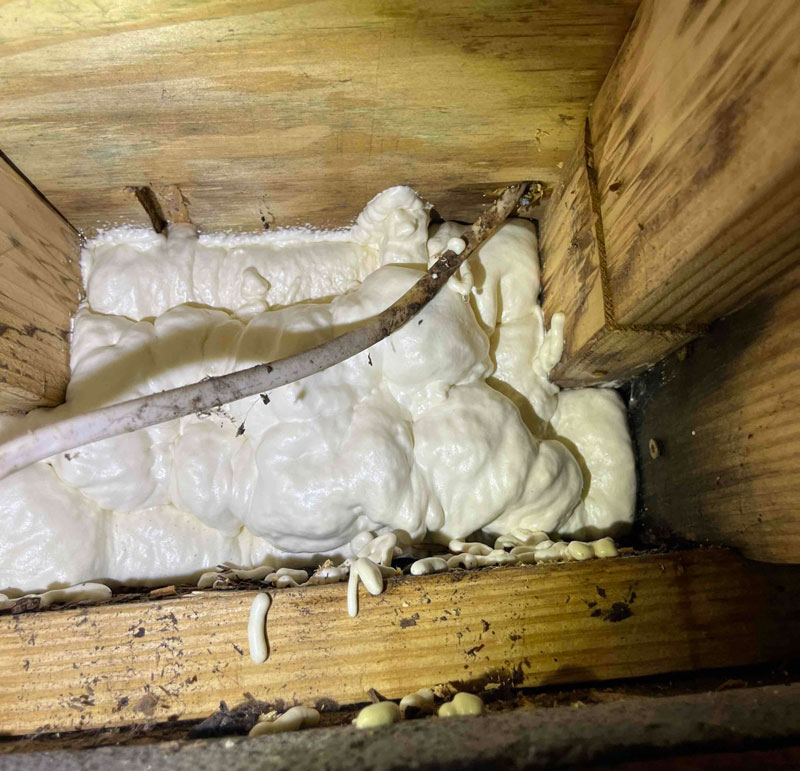
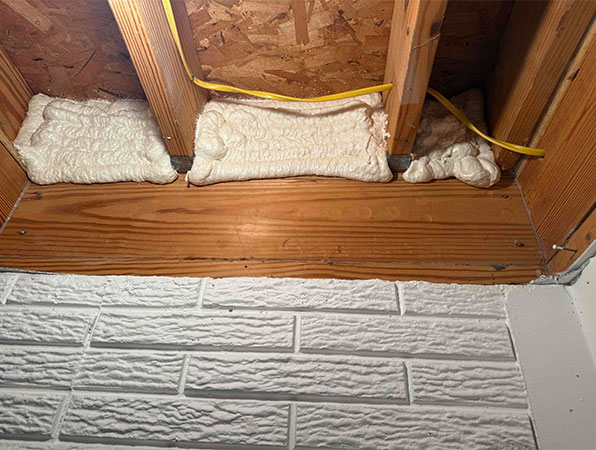
In an older rowhouse, the rim joist is often the single biggest air leak in the basement. It runs along the top of the foundation wall on every exterior side, broken up into short bays between the floor joists. Those bays are hard to seal with batts, so in many homes they hold a loose scrap of fiberglass or nothing at all, and outside air leaks straight in along the sill plate.

Rim joist insulation with closed-cell spray foam fills each bay completely, sealing the gaps and insulating in one pass. Homeowners often notice warmer floors and fewer drafts right away, and the foam limits condensation that can lead to rot along the sill.

Basement Wall Insulation

Bare masonry walls lose heat all winter and stay cool all summer. In a town close to the water, where summer air carries a lot of moisture, that cool surface becomes a magnet for condensation. Basement walls start to sweat, boxes stored against them get damp and the basement picks up a musty smell. Our basement insulation applies closed-cell spray foam directly to the block or concrete, where it bonds to the wall and acts as a vapor barrier.

Warm, humid air can no longer reach the cold masonry, so condensation drops and the basement feels drier and more comfortable year-round. It also prepares the walls if you plan to finish the space later.

Crawl Space Insulation

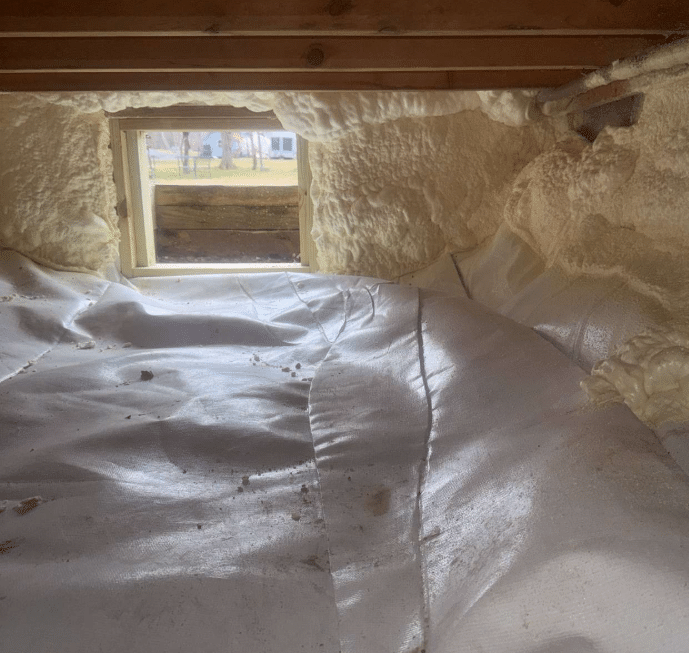
Rooms built over a crawl space, such as a rear addition or an enclosed porch, are often the coldest in a Dundalk home. Fiberglass in a damp crawl space absorbs moisture, sags and stops insulating. Our approach to crawl space insulation depends on how the space is built: in a vented crawl space, we insulate the floor above, and in a sealed crawl space, we insulate the walls so the space stays closer to indoor conditions.

In both cases we use closed-cell spray foam, which resists moisture rather than soaking it up, and we seal the rim joists around the crawl space at the same time.

Dry the Space Before Insulating

Spray foam controls air and condensation, but it is not a waterproofing system. If water is coming through a wall or across the floor, foam can hide the problem without stopping it. That is a real concern on low Dundalk ground, where older foundations often take on some water after storms.

During the inspection, we check walls, floors and the rim area for leaks, damp wood and mold. If waterproofing or crawl space repair is needed, we explain it, and our own crew can do that work first so the foam goes onto a dry surface.

Spray Foam With Encapsulation

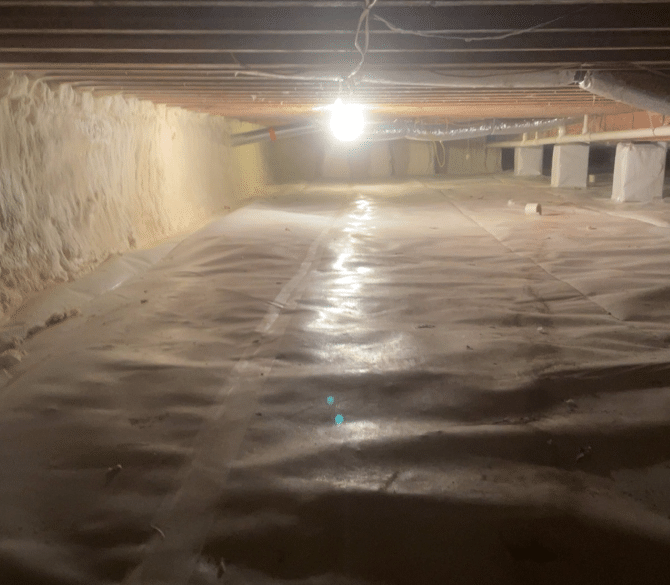
For crawl spaces, insulation works best as part of a sealed system. Encapsulation lines the floor and walls, seals vents and adds a commercial-grade dehumidifier, which keeps ground moisture and humid outside air from building up. Spray foam on the walls and rim joists then completes the seal and stops heat loss through the floor.

Together they help keep the framing dry and the room above warmer. We tell you whether foam alone will do the job or the combined approach is the better fit.

Why We Use Closed-Cell Foam

Below-grade spaces deal with humidity, cool surfaces and the occasional bit of water, so the insulation has to handle all three. Closed-cell spray foam is dense and rigid, and its cells stay sealed. That lets it resist water, act as a vapor barrier and deliver strong insulating value for its thickness. It also stays put instead of sagging the way batts do in damp spaces.

That is why closed-cell foam is the only type we install on basement walls, rim joists and crawl space surfaces.

Our Spray Foam Insulation Process

1

Free Inspection

We look for air leaks, moisture and old insulation in your basement or crawl space.

2

Your Recommendation

We walk you through what we found and where closed-cell foam will help most.

3

Foam Application

We protect nearby surfaces, apply the foam, check coverage and clean up.

4

Warranty Protection

Your spray foam work is backed by our transferable warranty.

Why Dundalk Homeowners Choose Best Buy Waterproofing

Spray foam insulation below grade only pays off when moisture is handled first. Dundalk homeowners choose us because one team can check for water, fix it and insulate, in the right order.

What Affects the Cost of Spray Foam Insulation in Dundalk?

We don’t quote spray foam insulation from a price list, because every basement and crawl space is different. After your free inspection, you receive a firm price based on what your Dundalk home needs.

Area Covered

The square footage of basement walls, rim joists or crawl space surfaces.

Foam Thickness

How much closed-cell foam each area needs for comfort and moisture control.

Access

Narrow basements and tight crawl spaces take longer to prepare.

Old Insulation Removal

Wet or sagging fiberglass may need to come out first.

Existing Moisture

Leaks, damp wood or mold that need attention before insulating.

Added Moisture Control

Pairing foam with a vapor barrier or encapsulation expands the scope.

Spray Foam Insulation FAQs

No. We install spray foam only in basements and crawl spaces: basement walls, rim joists, crawl space walls and the floor above vented crawl spaces. Those below-grade areas are where moisture and air leaks usually start, and our in-house team can pair the insulation with waterproofing or crawl space repair when needed.

Often, yes. Many Dundalk homes were built in the 1940s and 1950s with no insulation at the foundation. Sealing the rim joist alone can make floors noticeably warmer and cut drafts. Because rowhouses share side walls, most of the heat loss below the floor happens at the front and back, which keeps the work focused.

Sealing air leaks at the foundation and rim joists reduces how hard your heating and cooling have to work, so many homeowners notice lower energy bills and warmer floors. Results depend on the house, its age and the insulation already in place. We point out the biggest leaks during your free inspection.

No. Spray foam controls air movement and condensation, but it does not stop water coming through walls or floors. If your basement leaks, that needs to be fixed first. Our team provides basement waterproofing in Dundalk, so we can handle both, in the right order, with one crew.

If it is wet, moldy or sagging, we usually recommend removing it before applying foam. Damp fiberglass holds moisture against the framing and does little to keep heat in. We check its condition during the inspection and include removal in your recommendation when it is needed.

Yes. Closed-cell foam on the walls and rim joists creates a good starting point for a finished basement, because it controls condensation behind new walls. We also offer basement finishing, so insulation and finishing can be planned together once we have confirmed the space is dry.

More Services in Dundalk

Basement Waterproofing in Dundalk

Crawl Space Repair in Dundalk

Foundation Repair in Dundalk

Spray foam insulation near Dundalk, MD: Essex · Rosedale · Edgemere · Middle River · Baltimore · Parkville · Glen Burnie

Warm Up the Floors in Your Home

Cold floors and sweating basement walls usually trace back to the same gaps below. Schedule a free inspection in Dundalk, and we will show you where closed-cell spray foam will help most. Financing is available.

Scroll to Top