Welcome to The Best Buy Waterproofing

Frederick, MD Wall Stabilization

Carbon fiber straps and steel I-beam braces that stop bowing and leaning basement walls in Frederick homes, backed by a transferable warranty.

Wall Stabilization Contractors in Frederick, MD

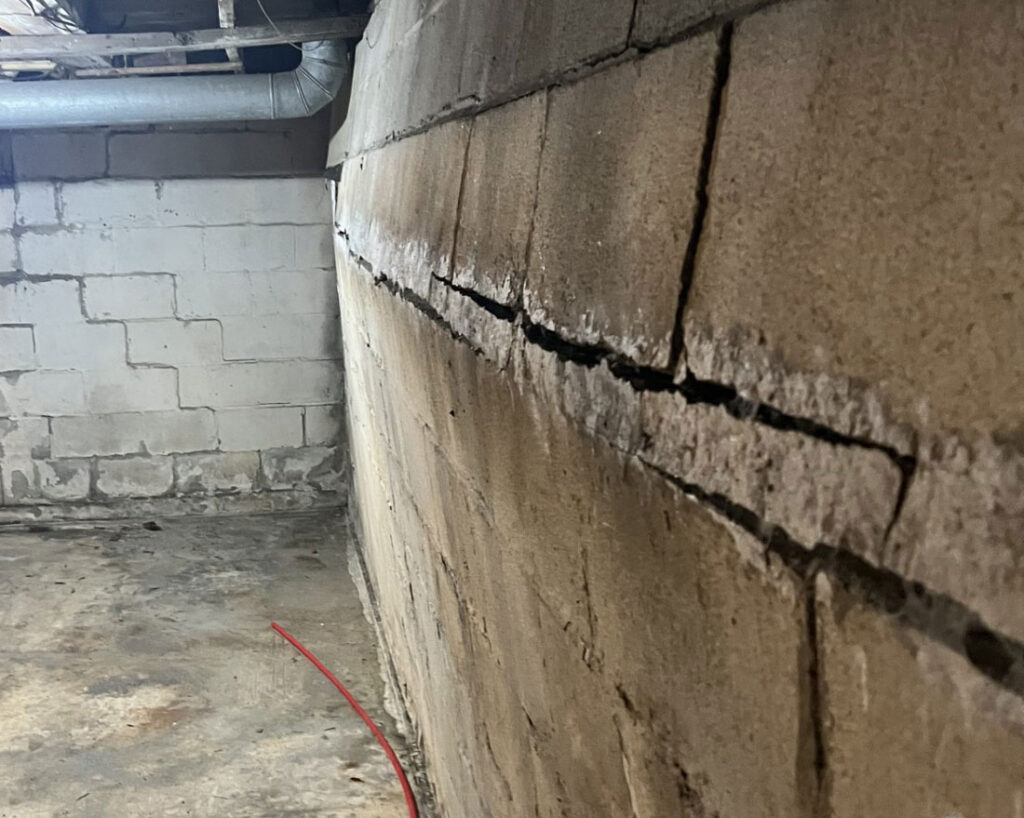
A basement wall is built to hold back soil, but it was never meant to take steady pressure from saturated, expanding ground. When that pressure wins, the wall begins to bow inward, crack along a mortar line or lean at the top. Best Buy Waterproofing provides wall stabilization in Frederick and across Frederick County, with one in-house team that inspects, recommends and installs the fix. We stop the movement with carbon fiber straps or steel I-beam braces, matched to how far the wall has moved.

The clay-rich soils around Frederick swell when they soak up water and shrink when they dry. Heavy summer storms load the soil against your foundation, and freeze-thaw winters add frost pressure near the top of the wall. Block foundations from the 1970s through the 2000s are especially prone to horizontal cracks and bowing, while older masonry walls can lean or bulge. Catching the problem early keeps basement wall repair simpler and protects the house above.

Signs You Need Wall Stabilization in Frederick

Bowing basement walls usually move slowly, so the signs are easy to miss. Look for these, and call us if they appear or grow.

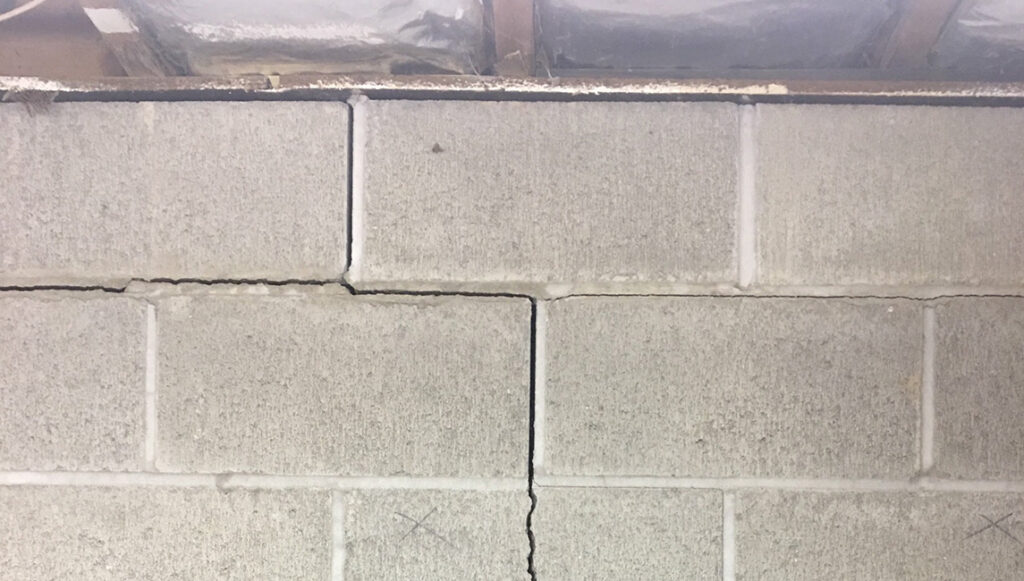
Horizontal Cracks

A long crack runs along the wall, often near mid-height in block.

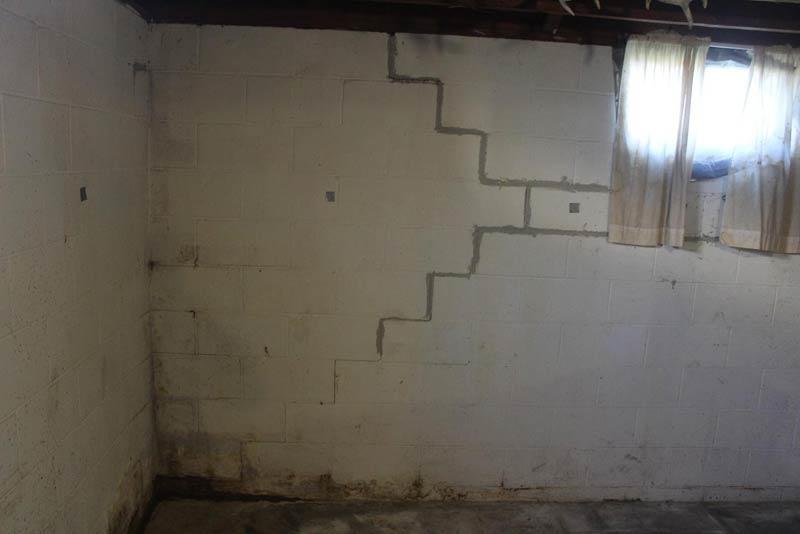
Stair-Step Cracking

Diagonal cracks follow mortar joints, often near basement corners.

Inward Bowing

The middle of the wall pushes into the basement when you sight along it.

Leaning Top Edge

The top of the wall tips inward or shifts off the sill plate.

Displaced Blocks

Individual blocks slide inward or out of line with the rest.

Leaks at Cracks

Water seeps through the new cracks after storms.

Wall Stabilization Solutions for Frederick Basements

Inspection: Measuring the Movement

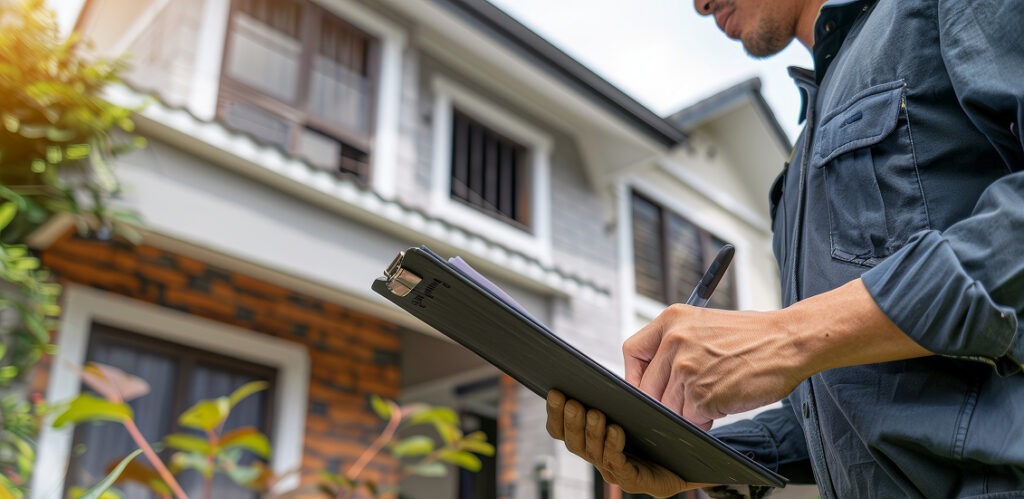
Good wall stabilization starts by understanding what the wall is doing and why. During your free inspection we measure how far the wall has bowed or leaned, check for horizontal and stair-step cracks, and look outside at grading, gutters and downspouts. Water collecting against the foundation is often what drives the soil pressure.

With that information we can tell you whether the wall needs straps, braces or more, and we walk you through what we found and what we recommend.

Carbon Fiber Straps for Early Bowing

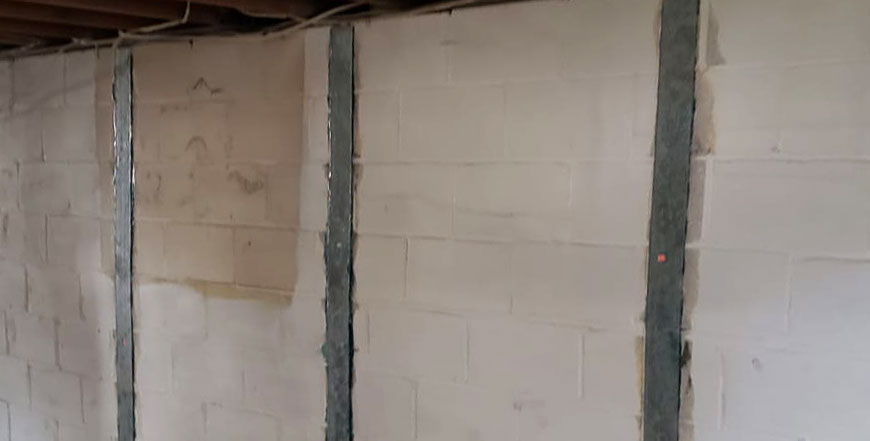
Carbon fiber straps are a strong, low-profile repair for walls with limited inward movement. Each strap is bonded to the cleaned wall with a structural epoxy and secured at the top to the framing and at the bottom near the footing. The straps resist further bowing while taking up almost no space.

Because they sit nearly flush, carbon fiber straps work well in basements you plan to finish, and they can be painted or covered.

Steel I-Beam Braces for Larger Movement

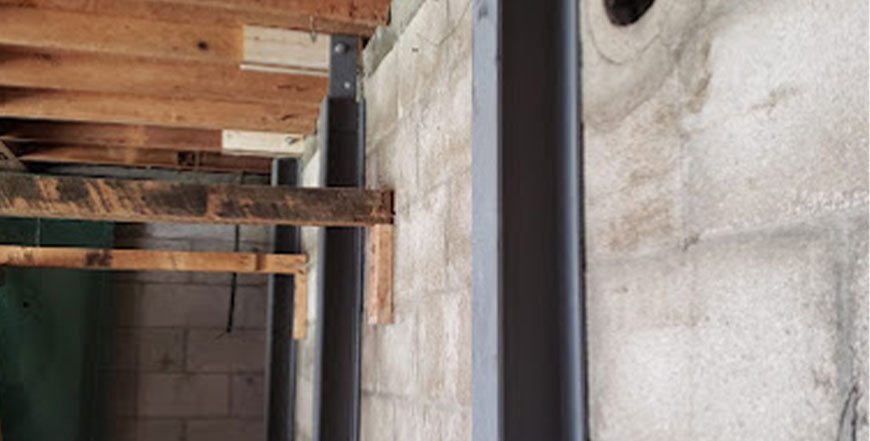
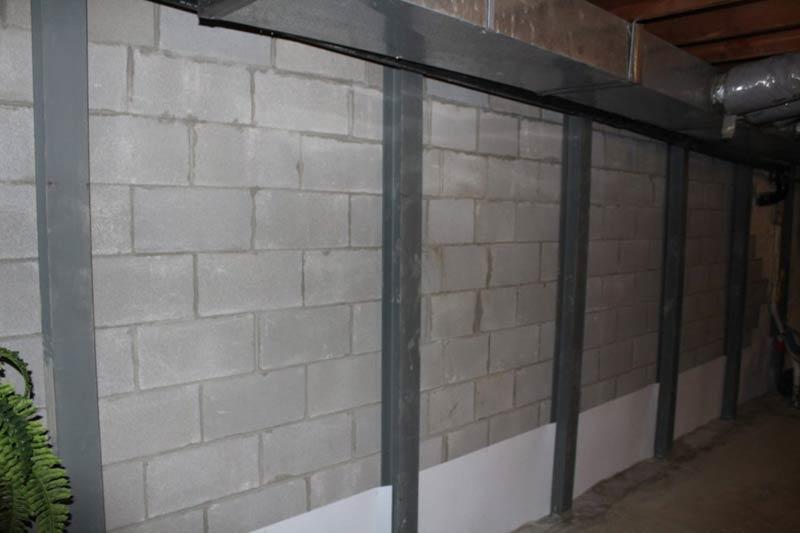
When a wall has moved further, steel I-beam braces give it more strength. Vertical beams are set against the wall at spaced intervals, secured to the basement floor at the bottom and to the floor framing at the top. The braces hold the wall in place against soil pressure.

Braces can be adjusted over time, which allows gradual straightening where the wall and structure allow it.

Sealing Cracks Once the Wall Is Stable

Cracks from wall movement let in water and soil gases. Once the wall is stable, we seal them so they stop leaking. Sealing comes after stabilization, because cracks in a wall that is still moving will reopen.

If water is a recurring problem, we can pair the repair with a basement waterproofing system.

Wall Rebuilds for Severe Damage

Some walls have bowed, cracked or shifted too far to stabilize in place. In those cases a section of the wall may need to be taken down and rebuilt. We excavate outside, remove the damaged masonry, rebuild with new block and reinforcement, and waterproof before backfilling.

A rebuild is a bigger project, and we recommend it only when straps or braces cannot do the job.

Choosing the Right Basement Wall Repair

The best wall stabilization method depends on how far the wall has moved, what it is built from and how you use the basement. Straps suit early bowing and finished spaces, braces handle larger movement, and rebuilds address walls past saving.

We explain each option plainly so you can decide with confidence.

Our Wall Stabilization Process

1

Free Inspection

We measure bowing, map cracks and check drainage outside your home.

2

Your Recommendation

We walk you through what we found and what we recommend, with a firm price.

3

Wall Reinforcement

Our crew installs straps or braces and seals cracks once the wall is stable.

4

Warranty Protection

Your wall repair is backed by our transferable warranty.

Why Frederick Homeowners Choose Best Buy Waterproofing

Wall stabilization is structural work, and the right method depends on careful measurement. Frederick homeowners choose us for straight answers and one crew that handles the repair.

What Affects the Cost of Wall Stabilization in Frederick?

We don’t price wall repair from a chart, because every wall moves differently. You get a firm price after your free inspection.

Amount of Movement

How far the wall has bowed or leaned guides the method.

Wall Length

Longer walls need more straps or braces along their span.

Repair Method

Carbon fiber straps, I-beam braces or a partial rebuild.

Wall Construction

Block, poured concrete and older masonry walls differ.

Basement Access

Finished walls or stored items along the work area.

Crack and Water Work

Sealing cracks or adding waterproofing with the repair.

Wall Stabilization FAQs

A slightly bowed wall is not usually an emergency, but it rarely gets better on its own. Soil pressure tends to keep pushing, especially after wet seasons, and the wall can keep moving. Stabilizing it early usually means a simpler repair. If a wall is moving quickly or blocks are falling, call us right away.

It depends on how far the wall has moved. Carbon fiber straps suit walls with limited bowing and keep a low profile for finished basements. Steel I-beam braces handle more movement and can be adjusted over time. We measure your wall and recommend the one that fits.

Sometimes, partly. Adjustable I-beam braces allow gradual straightening where the wall and house allow it. Carbon fiber straps stop movement but do not move the wall back. We give you a realistic picture during the inspection.

Block walls are built from many units held by mortar joints, which makes them weaker against sideways pressure than poured walls. Clay-rich soil around Frederick swells when wet and adds frost pressure in winter. Over time, that load can crack the joints and push the wall inward.

Yes. Carbon fiber straps in particular sit almost flush with the wall and can be covered. We recommend handling any water issues first, and our same in-house team can help with basement finishing once the walls are stable and dry.

Yes. Financing options are available for Frederick homeowners, and we review them with you after your free inspection.

More Services in Frederick

Foundation Repair in Frederick

Settling Foundation Repair in Frederick

Basement Waterproofing in Frederick

Wall stabilization near Frederick, MD: Walkersville · Ballenger Creek · Urbana · Thurmont · Brunswick · Mount Airy · Jefferson

Stop Your Basement Wall From Moving

Book a free inspection to find out how far your wall has moved and which wall stabilization method fits your Frederick home. Call (844) 980-3707 or request your estimate online.

Scroll to Top