Welcome to The Best Buy Waterproofing

Arlington, VA Settling Foundation Repair

Steel push piers and helical piers that carry your Arlington home down to stable soil and stop a sinking foundation from dropping further.

Settling Foundation Repair Contractors in Arlington, VA

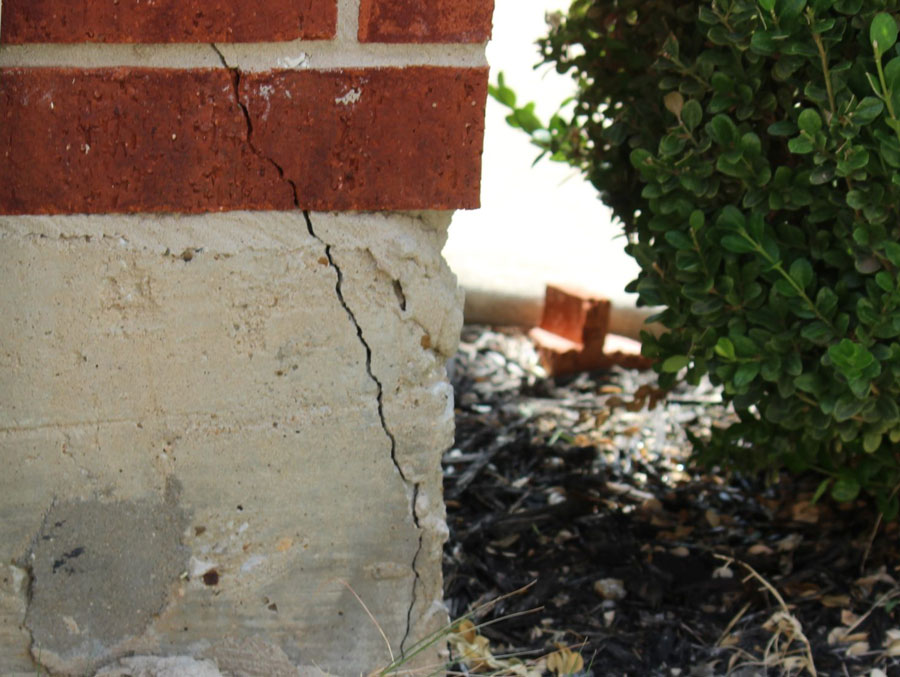
Every house settles a little after it is built. When one corner or one wall keeps sinking years later, the soil under that part of the footing is no longer doing its job. Best Buy Waterproofing provides settling foundation repair in Arlington, VA, and one in-house team handles the inspection, the plan and the installation. As a footing drops, the rest of the house follows it. Brick and block crack in a stair-step pattern, doors bind in their frames and floors begin to lean toward the low side.

Arlington’s clay-heavy soil is a big part of the story. Clay swells when it is wet and shrinks as it dries, so heavy summer storms followed by dry spells keep it moving, and freeze-thaw winters add more stress near the surface. Homes on sloped streets, older bungalows and newer infill houses built on reworked older lots can all show foundation settlement. Our repairs use steel push piers and helical piers that reach firmer soil and take the weight of the house off the ground that gave way.

Signs You Need Settling Foundation Repair in Arlington

Settlement usually shows up gradually, inside and outside the house. If you notice more than one of these, it is time for a closer look.

Stair-Step Cracks

Diagonal cracks climb through mortar joints in brick or block walls.

Uneven Floors

Floors slope toward one side or a ball rolls across the room.

Sticking Doors

Doors and windows jam, swing open on their own or no longer latch.

Drywall Cracks

Cracks open above doorways, at ceiling corners or along wall seams.

Tilting Chimney

An exterior chimney leans or pulls away from the siding or brick.

Gaps at Trim

Spaces open between baseboards and floors, or around window frames.

How We Repair a Sinking Foundation in Arlington

Finding the Cause of Settlement

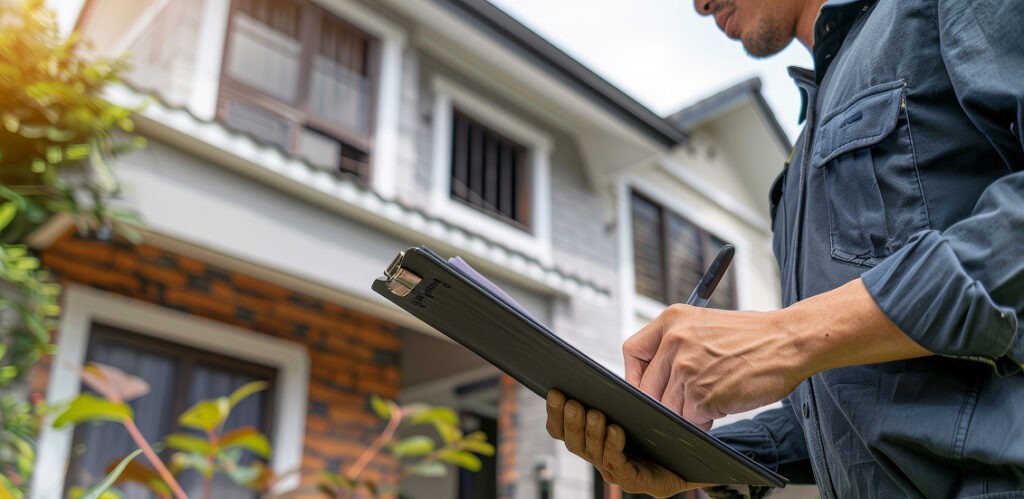
Settling foundation repair starts with a free inspection. We measure floor levels, map cracks inside and out, check doors and windows and walk the full perimeter of the foundation. We also look at how water moves around the house, because downspouts that empty against the wall or a yard that slopes toward the house can soften the clay next to a footing.

On a hillside Arlington lot, we pay close attention to which side of the house sits lower and where runoff collects. Then we walk you through what we found and what we recommend before anything is scheduled.

Push Piers Under the Main Footing

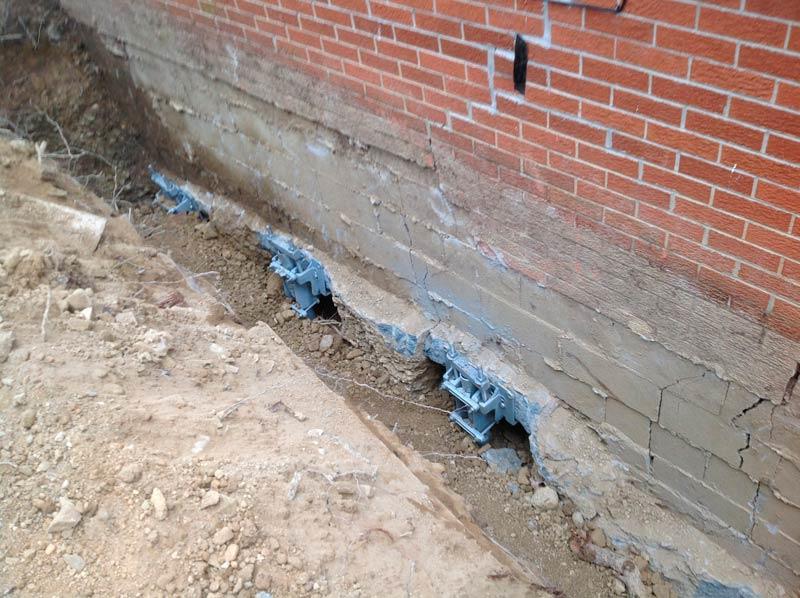
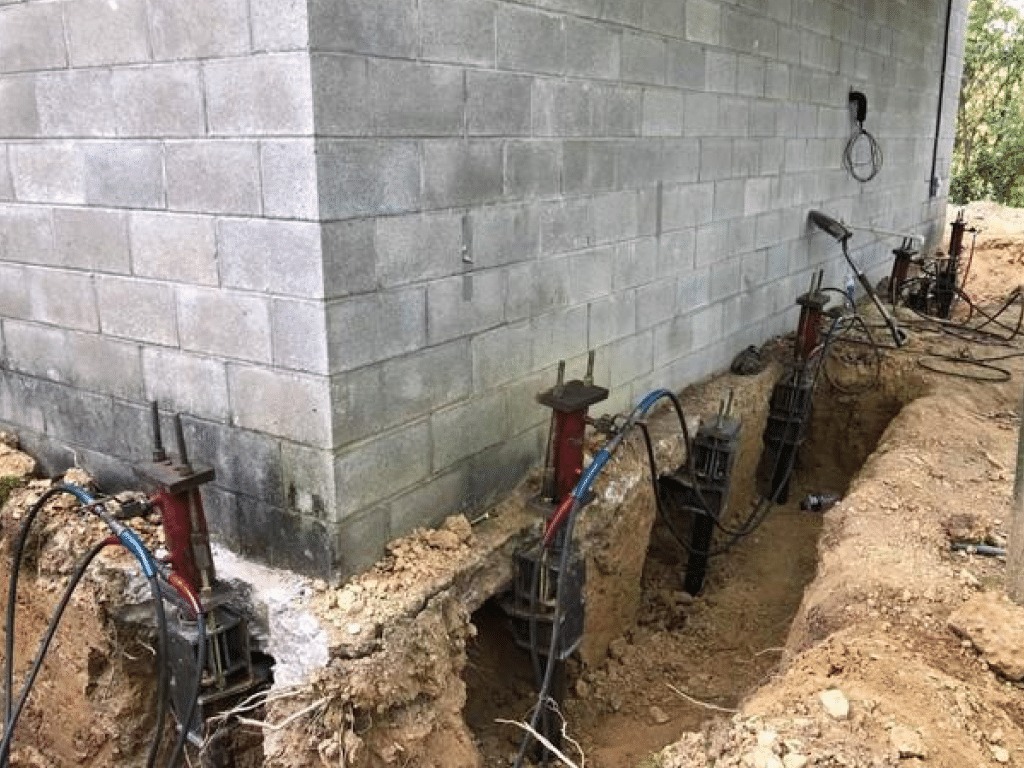
Push piers are steel sections driven down next to the footing, one length after another, until they meet stable, load-bearing soil. The weight of the house provides the resistance during installation, which makes push piers a good match for heavier brick colonials and Cape Cods with full basements. A steel bracket connects each pier to the footing, moving the load off the weak soil near the surface.

With the piers carrying the house, we can often use controlled lifting to bring the settled area back toward level, as far as the structure safely allows.

Helical Piers for Lighter Structures

Helical piers are steel shafts with helix-shaped plates that are turned into the ground like a large screw, with extensions added until each pier reaches soil that can carry the load. Since they do not rely on the weight of the house during installation, helical piers work well for lighter loads such as porches, stoops, rear additions and sunrooms.

They can also support parts of a main foundation where the soil and access allow. We recommend the pier type that fits your house, your soil and your lot.

Planning Around Tight Lots and Finished Spaces

Many Arlington homes sit close to their neighbors, and many have finished basements or basement apartments. We plan pier locations around side yards, walkways, driveways and interior finishes so the work fits the space you have. Piers can often be installed from outside the house, and where interior access is needed we protect the area and clean up when we finish.

When a permit is required, we handle it.

Sealing Cracks and Managing Water

Once the foundation is supported, cracks left by the movement can be sealed so they stop letting in water. If water was part of what softened the soil, we explain what is happening around your house and can pair the pier work with waterproofing from the same in-house team.

Supporting the footing stops the sinking. Keeping water under control helps the soil around your home stay more stable over time.

Our Settling Foundation Repair Process

1

Free Inspection

We measure floors, map cracks and look at drainage around the whole foundation.

2

Your Recommendation

We walk you through what we found and what we recommend, with a firm price.

3

Pier Installation

Our crew installs push or helical piers and lifts toward level where possible.

4

Warranty Protection

Your repair is backed by our transferable warranty.

Why Arlington Homeowners Choose Best Buy Waterproofing

Settling foundation repair calls for an accurate diagnosis and careful pier work. Arlington homeowners trust us because our own in-house team does both.

What Affects the Cost of Settling Foundation Repair in Arlington?

We do not price settling foundation repair from a list, because every house settles differently. You get a firm price after your free inspection.

Number of Piers

How many piers the affected section needs to carry its load.

Depth to Firm Soil

Deeper stable soil means longer pier installations.

Pier Type

Push piers or helical piers, chosen for your house and soil.

Site Access

Narrow side yards, steps and nearby houses affect installation.

Interior Finishes

Finished basement walls or floors near the pier locations.

Related Repairs

Crack sealing or waterproofing added to the same project.

Settling Foundation Repair FAQs

Hairline cracks in a new house are common as it adjusts. Cracks that widen over time, stair-step cracks in brick or block, floors that keep sloping and doors that stop closing point to ongoing foundation settlement. A free inspection tells you whether the movement is active and what it would take to stop it.

Arlington’s clay-heavy soil swells when wet and shrinks when dry, and heavy summer storms followed by dry periods keep that cycle going. Freeze-thaw winters, runoff on sloped lots and downspouts that drain against the wall can all soften the soil under a footing until it gives way.

Push piers are driven down using the weight of the house as resistance, so they suit heavier structures. Helical piers are turned into the ground with helix plates and do not rely on that weight, so they suit lighter loads like porches and additions. Both transfer the load to stable soil.

Often it can be brought back toward level once the piers carry the load. How far depends on how long the house has been settling and how the structure has adjusted. We lift carefully and only as far as the home safely allows.

Yes. Many piers are installed from outside the house. Where interior access is needed, we plan around your finishes, open only what is necessary and protect the space while we work.

Stopping the settlement and lifting toward level usually improves sloping floors tied to a sinking foundation. Some floor problems come from sagging framing instead, which we check during the inspection and explain before any work begins.

More Services in Arlington

Foundation Repair in Arlington

Wall Stabilization in Arlington

Basement Waterproofing in Arlington

Settling foundation repair near Arlington, VA: Alexandria · Falls Church · McLean · Washington, DC · Vienna · Fairfax · Annandale

Stop Your Arlington Foundation From Sinking

Schedule a free inspection to find out why your Arlington home is settling and how piers can support it. We will show you what we found and what we recommend.

Scroll to Top