Welcome to The Best Buy Waterproofing

Middle River, MD Basement Waterproofing

Middle River sits low beside the water, and its soil holds rain long after the sky clears. We give that water a way out.

Basement Waterproofing Contractors in Middle River, MD

Ask homeowners along the river what bothers them most about their basements, and the answer is usually timing. The storm passes, the yard looks fine, and two days later a damp line creeps across the floor. That delay comes from the ground. Middle River sits on Coastal Plain soil of alternating sandy and clay layers, so rain sinks in fast and then stalls on the clay beside the foundation. Best Buy Waterproofing offers basement waterproofing in Middle River, MD built around that slow-draining soil.

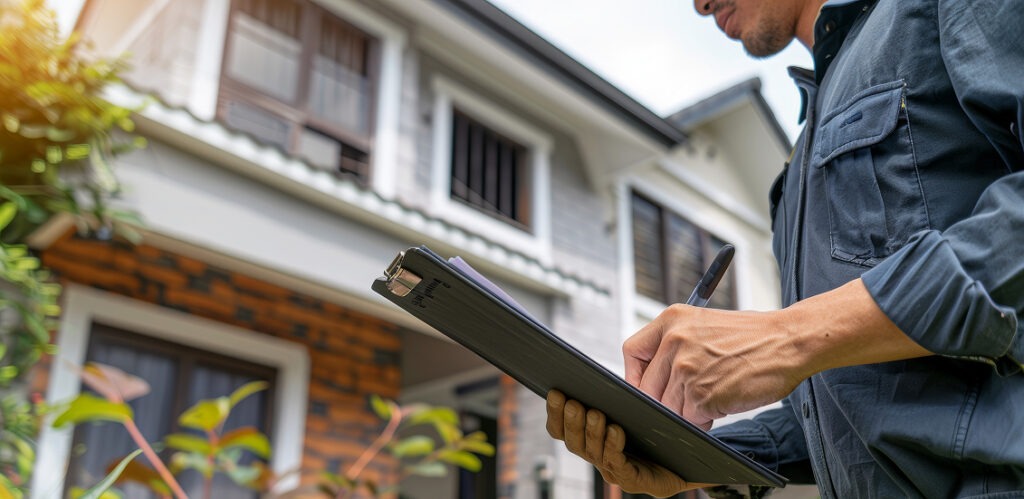
Much of the local housing traces back to the wartime building boom around the Glenn L. Martin aircraft plant, when homes went up quickly on block foundations with little drainage. Newer waterfront and townhome communities came later on the same damp ground. Whatever the age of your home, our in-house team starts with a free inspection, finds where water gets in and explains the approach that suits your foundation.

Signs of a Wet Basement in Middle River

Water on low ground rarely arrives all at once. These clues tend to show up first in Middle River homes.

Delayed Puddles

Water that shows up a day or two after a storm instead of during it.

Wet Floor Edges

A damp band where the wall meets the slab, often along one side.

Chalky Block Walls

White mineral deposits on block, left behind as moisture moves through it.

Cracks That Weep

Wall or floor cracks that darken or drip whenever the yard stays soggy.

Heavy, Musty Air

A stale smell and clammy feel that get worse through humid summer months.

Overworked Sump Pump

A pump that runs long after rain or has quit when you needed it.

Basement Waterproofing Solutions for Middle River Homes

Interior Drainage Along the Footing

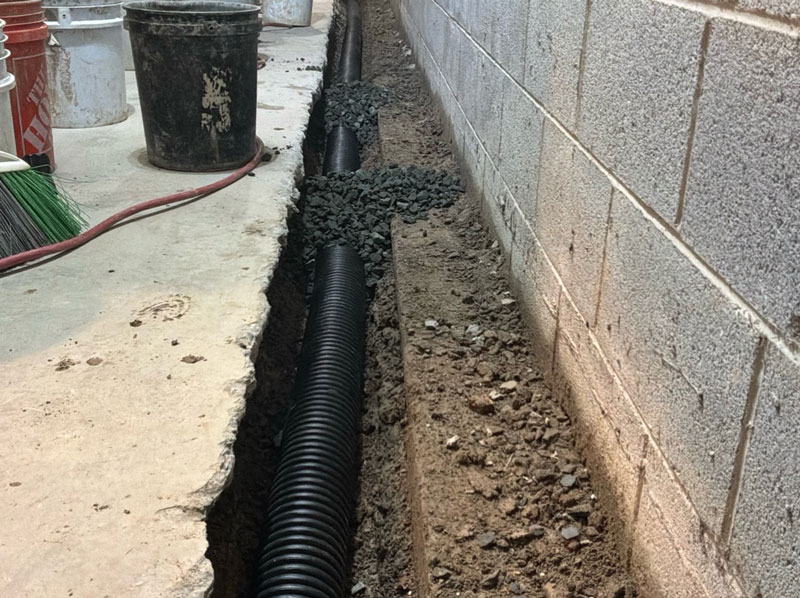
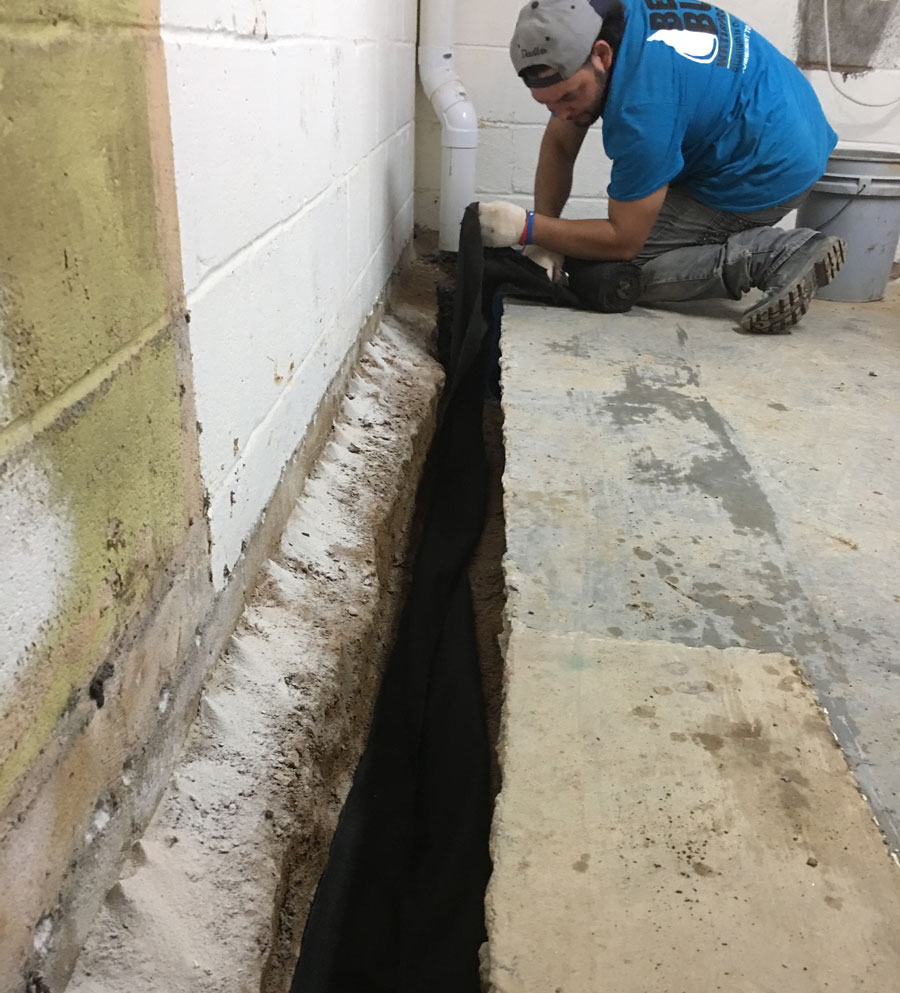
In most Middle River basements, the real fight is with groundwater that keeps building against the foundation after the rain has ended. We open a narrow strip of floor around the inside perimeter, lay perforated pipe in clean stone at footing level and pour new concrete over it. Water that pushes in at the cove joint or seeps from hollow block cores drops into the pipe instead of spreading across the slab.

Because the system works from the inside, it suits townhomes with shared walls, tight side yards and houses with patios built against the foundation. The pipe slopes to a sump pit, where the water is collected and sent outside.

Sump Pumps With Battery Backup

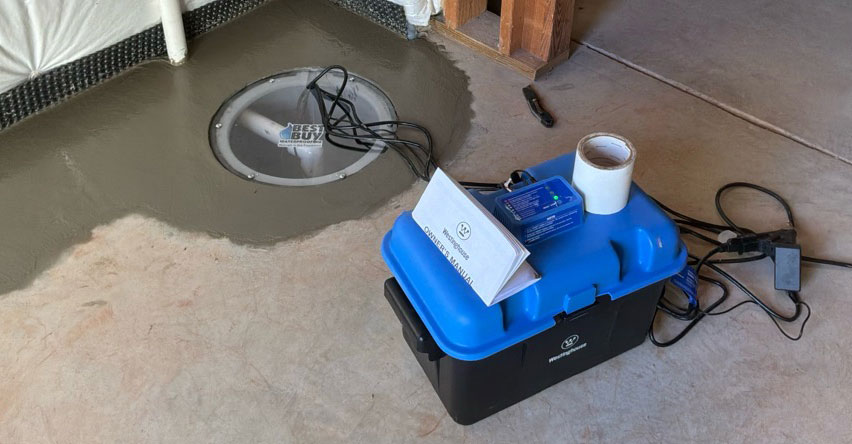
Once water is collected, a sump pump has to move it, sometimes for long stretches while the soil drains. We set a new pit where needed and install a pump with a sealed airtight lid to keep damp air and odors out, plus a check valve so discharged water cannot run back in.

Power tends to drop during the same storms that push water toward your foundation. A battery backup keeps the pump running through an outage, and a high-water alarm warns you if the pit level climbs. Both are optional, and we will tell you honestly whether you need them.

Exterior Waterproofing and French Drains

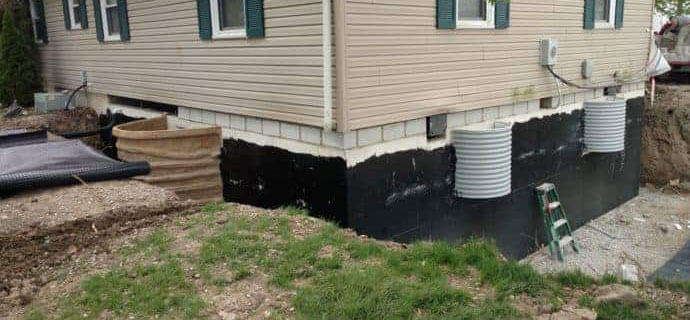
Some walls are better treated from outside, especially when a basement is finished or one side of the house takes most of the water. Our crew digs to the footing, cleans the wall, applies a waterproof membrane and places drainage at the base before backfilling and regrading.

On flat lots near the river, runoff can sit against the house. A French drain, a stone-filled trench with perforated pipe, intercepts that water in the yard and carries it away. Inside, the same design forms the drain line that feeds your sump pump.

Crack Repair and Basement Dehumidifiers

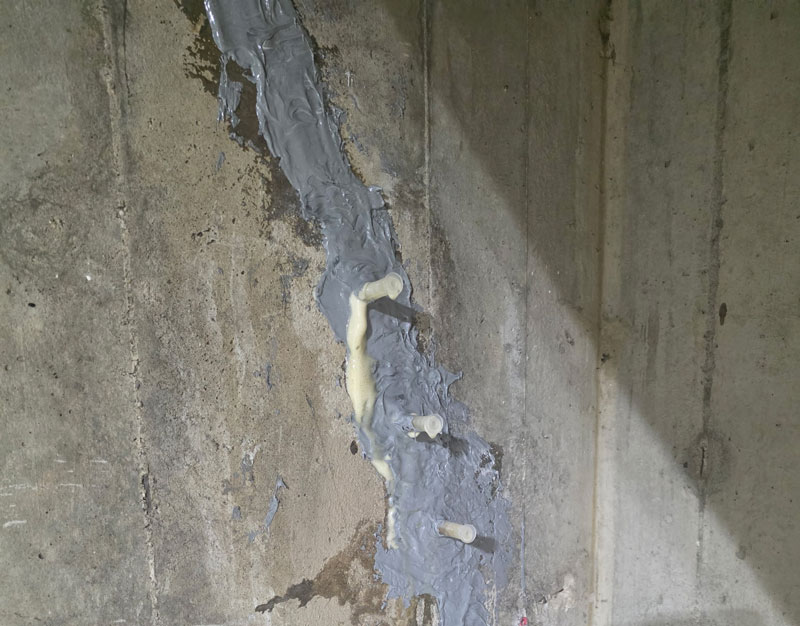
A crack in a poured concrete wall can carry a lot of water when the ground outside is saturated. Basement crack repair means injecting polyurethane or epoxy from the inside to fill the opening through the full depth of the wall. If a crack is horizontal or keeps growing, we explain whether foundation work belongs in the plan.

Not all moisture comes through the walls. Humid summer air condenses on cool concrete, feeding mildew and musty odors. A commercial-grade basement dehumidifier that drains on its own keeps the air steady and drier, with no bucket to empty, and works hand in hand with a sealed sump lid.

How Our Basement Waterproofing Works

1

Free Inspection

We trace leaks, check walls, floor, sump pit, gutters and grading around your home.

2

Your Recommendation

We walk you through what we found and the waterproofing we recommend.

3

Drainage Installation

Our own crew installs drains, pumps or membranes and cleans up afterward.

4

Warranty Protection

Your waterproofing system is covered by our transferable warranty.

Why Middle River Homeowners Choose Best Buy Waterproofing

Basement waterproofing in Middle River has to account for slow-draining ground and older block foundations. Homeowners call us because we explain the cause first and then do the work ourselves.

What Shapes the Cost of Basement Waterproofing in Middle River?

There is no price list for keeping a basement dry, because each home and lot behaves differently. Your free inspection in Middle River ends with a firm price for the work we recommend.

Perimeter Length

How many feet of wall need drainage, sealing or a membrane.

Wall Construction

Hollow block, poured concrete or mixed walls call for different methods.

Inside or Outside

Excavating along the foundation takes more labor than interior drainage.

Pump Setup

A new pit, a replacement pump, battery backup or an alarm.

Finished Walls

Paneling, drywall or flooring that must come out for access.

Humidity Control

Whether a self-draining dehumidifier is part of the plan.

Middle River Basement Waterproofing FAQs

The sandy layers in local soil let rain in quickly, but the clay underneath slows it, so water collects around the foundation and keeps pressing on it. By the time it reaches your floor, the storm is long gone. Interior drainage and a sump pump relieve that pressure on the soil’s schedule.

Homes built quickly in the 1940s often have block foundations and little or no original perimeter drainage. Hollow block cores can hold water and release it slowly into the basement. We check the walls, the wall-floor seam and any old drain tile, then size a system to what your house has.

Yes. Newer townhome and waterfront communities sit on the same layered, slow-draining soil, and backfill around a recent foundation can settle and channel water toward the walls. Short downspouts and flat grading add to it. Interior drainage works well in townhomes because it stays within your unit.

Coatings can reduce dampness on a wall, but they do not relieve the water pressure in saturated soil, so water finds the seam, a crack or the floor instead. A drainage system and sump pump give that water somewhere to go. We will tell you plainly if a lighter fix will do.

It depends on the scope of the job. Exterior excavation, for example, may call for one. When a permit is required, we handle it as part of the project, and we tell you during your recommendation whether your work needs one, so nothing catches you off guard.

Yes. Once the space stays dry, it can become living space. Our team also offers basement finishing, available on its own if your basement does not need waterproofing first. Planning both together lets us place drainage and the sump pit where they will not interfere with the new layout.

More Services in Middle River

Foundation Repair in Middle River

Crawl Space Repair in Middle River

Basement Finishing

Basement waterproofing near Middle River, MD: Essex · Perry Hall · Rosedale · Dundalk · Edgemere · Parkville

Get Ahead of the Next Storm

If your basement gets wet after the rain has stopped, the soil is telling you something. Book a free inspection at your Middle River home, and we will show you where water enters and how we would stop it.

Scroll to Top