Home » Service Areas » Columbia » Columbia Foundation Repair
Columbia, MD Foundation Repair
- Licensed & Insured
- 5-Star Rated
- Local Business
- Transferable Warranty
Foundation Repair Contractors in Columbia, MD
A foundation rarely fails all at once. It shifts a little each season, and the clues pile up slowly: a crack that is longer than you remember, a basement wall with a slight belly, a door upstairs that now needs a shoulder to close. Best Buy Waterproofing provides foundation repair in Columbia, MD, and because our office is in Columbia, we work on these homes and this ground every week. We figure out why the foundation is moving, show you what we see, and recommend a repair that addresses the cause.
Columbia sits in the Maryland Piedmont, where silty clay soil lies over weathered rock. That soil swells when wet and shrinks during dry spells, so it pushes on basement walls in spring and can pull away from footings in late summer. Freeze-thaw winters add their own force, and on hillside lots, runoff keeps the uphill side of a house wetter than the rest. Homes in older villages such as Wilde Lake and Harper’s Choice have spent many seasons under that pressure, and newer houses and townhomes feel it too.
Signs You Need Foundation Repair in Columbia
Structural movement tends to show up in more than one room. If you spot a few of these in your Columbia home, it is worth a closer look.
Horizontal Wall Cracks
A long crack running sideways across a basement wall, often near mid-height.
Stair-Step Block Cracks
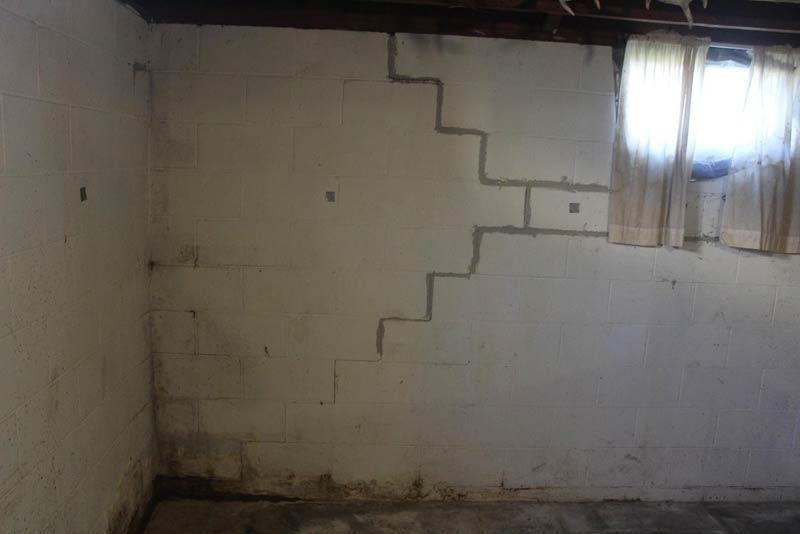
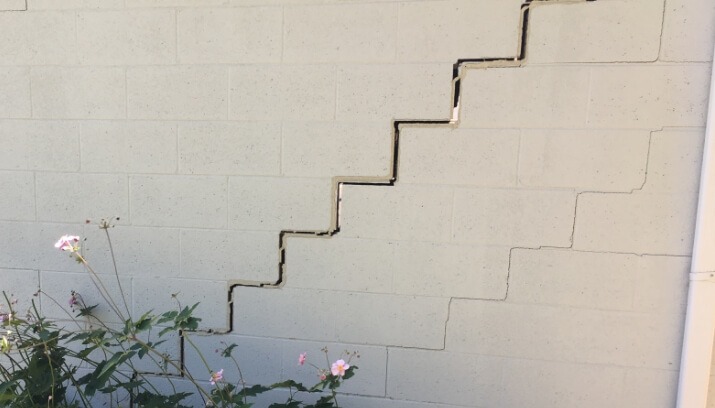
Diagonal cracks that follow mortar joints in block walls or exterior brick.
Walls Bulging Inward
A basement wall that bows in at the middle or tips in at the top.
Doors Out of Square
Doors that rub or swing open, and windows that stick or leave gaps.
Sloping Floors
Floors that tilt toward one side or a corner of the house.
Gaps at Trim and Ceilings
New gaps where walls meet ceilings, floors, trim or a chimney.
Foundation Repair Solutions for Columbia Homes
Carbon Fiber Wall Reinforcement
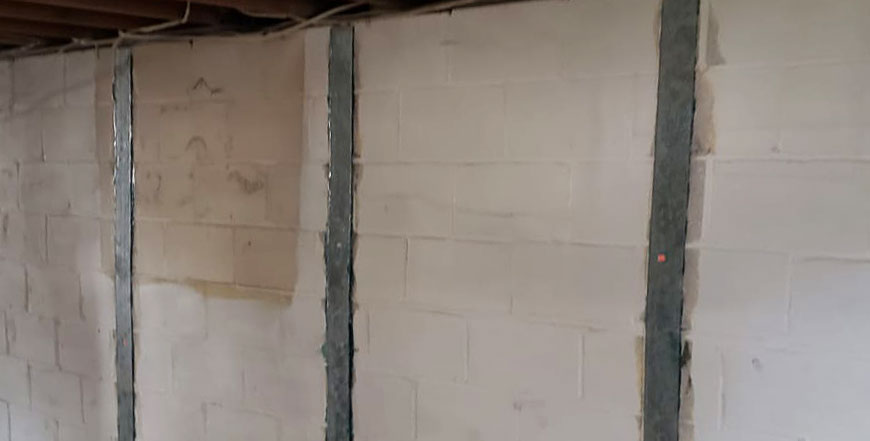
For bowing basement walls that have not moved far, carbon fiber straps are often the cleanest fix. Wet clay soil presses sideways on the foundation, and over many seasons that lateral pressure can push a block or poured wall inward and open a horizontal crack. Carbon fiber straps are bonded to the wall with structural epoxy at regular intervals and anchored at the top, so the wall can no longer flex in under that load.
The straps sit nearly flat against the wall, which matters in finished basements. They can be painted and framed over, and installation causes very little disruption to the rest of the house.
Steel I-Beam Wall Braces
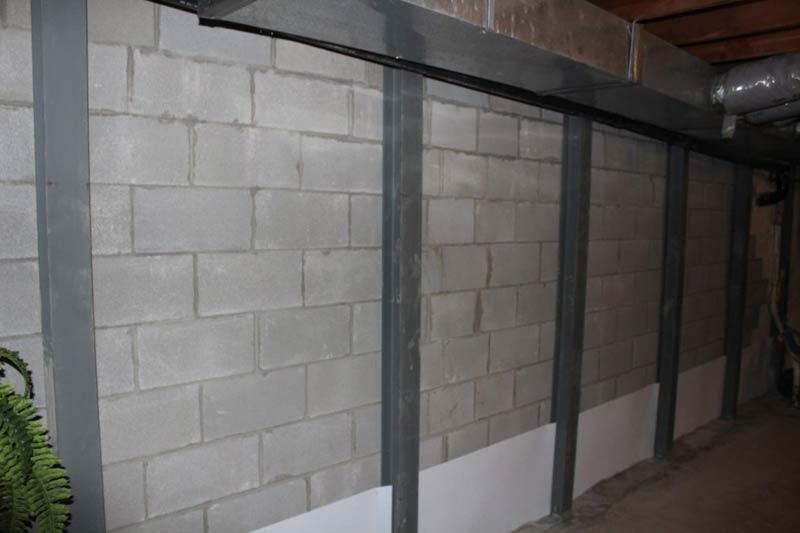
Walls that have moved further, or that lean in at the top, usually need more than a strap. Steel I-beam wall braces run vertically from the basement floor to the floor framing above. They give the wall continuous resistance against soil pressure, and they tie the top of the wall back to the house so it cannot keep tipping inward.
Braces can be adjusted over time, which can help nudge a moderately bowed wall back toward plumb as conditions allow. We measure how far the wall has moved first, then explain whether braces, straps or a rebuild is the right path.
Block Wall Rebuilds
Sometimes a wall has moved too far, sheared at a mortar joint or cracked badly enough that reinforcing it is no longer a good option. In those cases, we rebuild the damaged section of block wall. The crew supports the house, removes the failed block, and lays a new wall section that is properly reinforced against the soil behind it.
A rebuild is a bigger project, so we only recommend it when the wall truly needs it. If water helped cause the failure, we will also explain how to manage it so the new wall stays protected.
Push Piers and Helical Piers
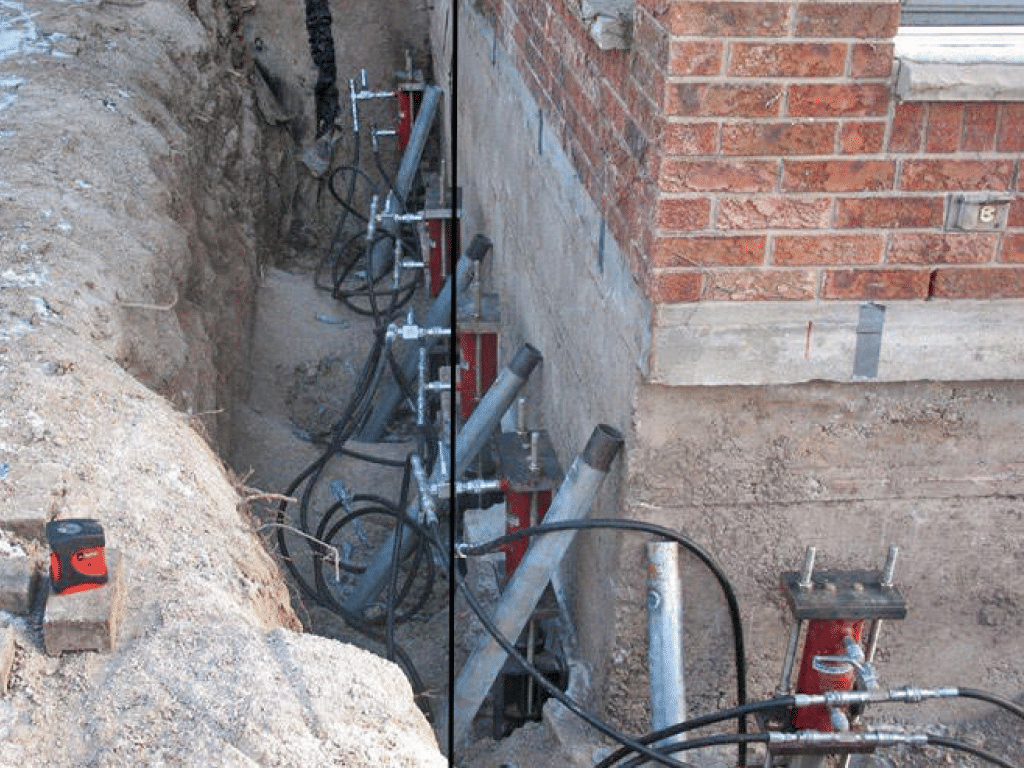
A settling foundation is usually a soil problem under the footing. Clay that shrinks in a dry summer, fill soil that was never well compacted, or water washing soil away from one corner can all leave part of the house without solid support. Because settlement is uneven, you often see it as stair-step cracks at a basement corner, sloping floors or a chimney pulling away from the siding.
We stabilize a settling foundation with steel piers that carry the weight of the house down to firmer, load-bearing soil or rock. Push piers are driven using the weight of the structure, while helical piers are turned into the ground with screw-like plates. Piers can also help lift a settled section back toward level.
Foundation Crack Repair
Not every crack means the foundation is failing. Thin vertical cracks in poured concrete often come from normal curing and may only need sealing to stop water. Horizontal cracks, stair-step cracks and cracks that are wider at one end or keep growing tell a different story, and they need a structural fix before any cosmetic one.
For poured walls, we inject epoxy or polyurethane to seal the crack and restore the wall. When a crack comes from ongoing movement, we pair the injection with carbon fiber or wall braces, so the foundation crack repair holds instead of reopening a few feet away.
Support for Sagging Floors
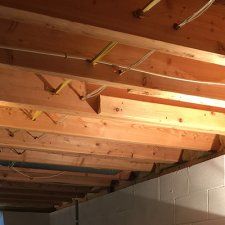
Not every Columbia house sits over a full basement. Additions and some homes rest over a crawl space, where moisture can weaken joists and beams and older supports can sink into soft soil. The result is a bouncy, sloping or creaking floor upstairs.
We reinforce the framing and add support where it has failed, then deal with the moisture that caused it. Since our crew also handles crawl space repair, both jobs can be planned together.
Our Foundation Repair Process
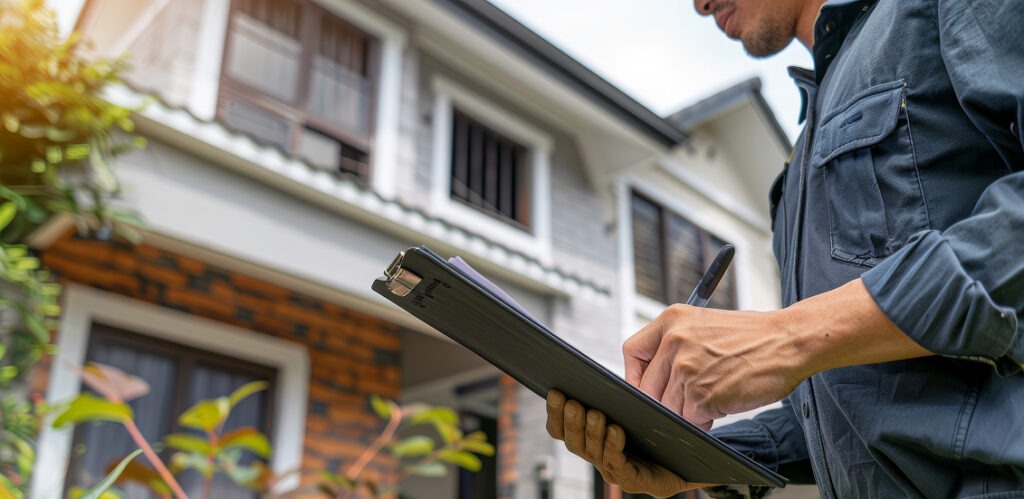
Free Inspection
We measure walls and floors, check for water and look for the cause of movement.
Your Recommendation
We walk you through what we found and what we recommend for your foundation.
Structural Repair
Our in-house crew installs straps, braces or piers and leaves the work area clean.
Warranty Protection
Qualifying repairs carry a transferable warranty that stays with the home if you sell.
Why Columbia Homeowners Choose Best Buy Waterproofing
Foundation repair is a serious decision, and Columbia homeowners want someone who explains the problem honestly. We are based right here in Howard County, and we stand behind the work we do on local homes.
- Local to Columbia: Our office is in Columbia, and we have served homeowners since 2017.
- Licensed and insured: Licensed in Maryland, Virginia, Washington DC, Pennsylvania, Delaware and West Virginia, and fully insured.
- In-house structural crew: Foundation, waterproofing and crawl space work done by our own team, not subcontractors.
- Free inspection: We inspect, explain and recommend at no cost, with financing available if needed.
- Transferable warranty: Warranty coverage that can pass to a buyer, and we are available 24/7.
What Affects the Cost of Foundation Repair in Columbia?
We don’t quote foundation repair from a price list, because every foundation moves for its own reasons. After your free inspection, you get a firm price based on what your Columbia home actually needs.
Type of Movement
Bowing, leaning, cracking and settling each call for different repairs.
How Far It Moved
The amount of bow or drop shapes the method and the scope.
Repair Method
Straps, braces, rebuilds and piers differ in labor and materials.
Soil and Rock Depth
Clay, fill and weathered rock affect pier type and installation depth.
Access
Finished basements, tight townhome layouts and outside access change the work.
Water Issues
If water drove the damage, waterproofing may be needed to protect the repair.
Foundation Repair FAQs
Why do Columbia foundations crack and bow?
Columbia sits on silty clay soil over weathered rock. The clay swells when wet and shrinks when dry, pushing on basement walls and shifting support under footings. Freeze-thaw winters add pressure, and on sloped lots the uphill wall often stays wetter than the rest. Over many years, that wear adds up.
Is a crack in my basement wall something to worry about?
It depends on the crack. Thin vertical cracks in poured concrete are common and may only need sealing. Horizontal cracks, stair-step cracks in block, or cracks that keep widening point to soil pressure or settling. If you also notice sticking doors or sloping floors, schedule a free inspection so we can explain the cause.
Carbon fiber or steel braces: which is better?
Each has its place. Carbon fiber straps work well for walls with modest movement and sit almost flush, which suits finished spaces. Steel I-beam braces handle walls that have moved further or lean at the top, and they can be adjusted over time. We recommend one after measuring your wall.
What is the difference between push piers and helical piers?
Both are steel piers that transfer the weight of your house to firmer soil or rock. Push piers are driven down using the weight of the structure. Helical piers have screw-like plates and are turned into the ground, which can suit lighter loads or tougher soil. Your soil and the amount of settlement guide the choice.
Can you repair the foundation of a townhome?
Yes. Townhomes are common across Columbia, and their basement walls face the same soil pressure as any other home. The repair depends on which walls are affected and what access we have from inside. We look at your unit, explain what we find and recommend a repair that fits the space.
Will foundation repair help when I sell my house?
A documented repair can make a buyer more comfortable than an unexplained crack or bowed wall. Our transferable warranty can pass to the next owner, which adds reassurance. If you are planning to sell your Columbia home, getting the foundation inspected early gives you time to make repairs on your schedule.
More Services in Columbia
Foundation repair near Columbia: Ellicott City · Elkridge · Clarksville · Fulton · Savage · Laurel · Catonsville
Get Your Columbia Foundation Inspected
Bowing walls and settling floors only move in one direction if nothing stops them. Request a free inspection anywhere in Columbia, and we will explain what is happening and walk you through what we recommend.