Home » Service Areas » Glen Burnie, MD » Glen Burnie Foundation Repair
Glen Burnie, MD Foundation Repair
- Licensed & Insured
- 5-Star Rated
- Local Business
- Transferable Warranty
Foundation Repair Contractors in Glen Burnie, MD
Much of Glen Burnie took shape between the 1950s and the 1970s, as neighborhood after neighborhood filled in across northern Anne Arundel County, many of them on block or poured concrete foundations. Those houses have held up well, but a foundation that has carried a home for fifty or sixty years has also been through a lot of wet springs, dry summers and freezing nights. When a wall starts to bow or a corner begins to sink, it is usually the result of slow, steady pressure from the soil.
Best Buy Waterproofing provides foundation repair in Glen Burnie, MD, with one in-house team that handles both the structural work and the water problems that often cause it. The layered sandy and clay soils of the Coastal Plain hold water near the Patapsco and the Bay’s tributaries, and wet clay pushes hard on basement walls. Our foundation repair contractors measure the movement, explain the cause in plain language and recommend the repair that matches what your home needs.
Signs You Need Foundation Repair in Glen Burnie
Foundation problems usually build slowly, so the early clues are easy to miss. Look for these around your Glen Burnie home, inside and out.
Sideways Wall Cracks
A horizontal crack running across a basement wall, often partway up.
Stair-Step Mortar Cracks
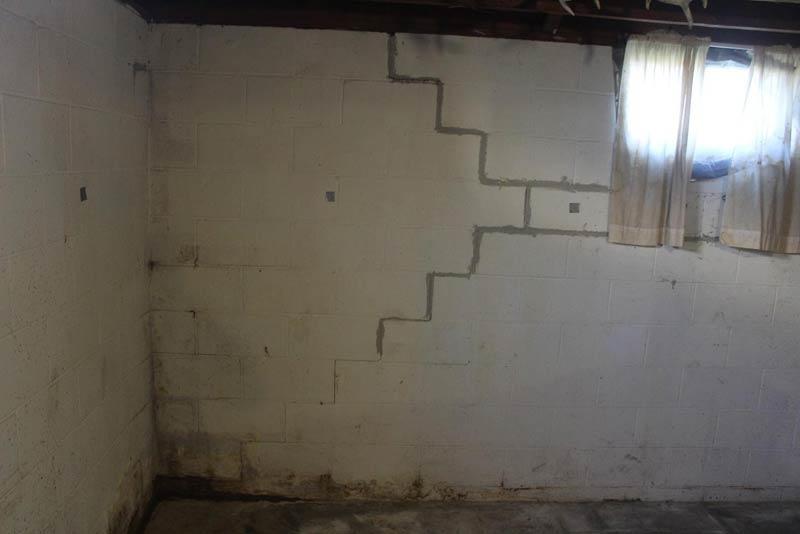
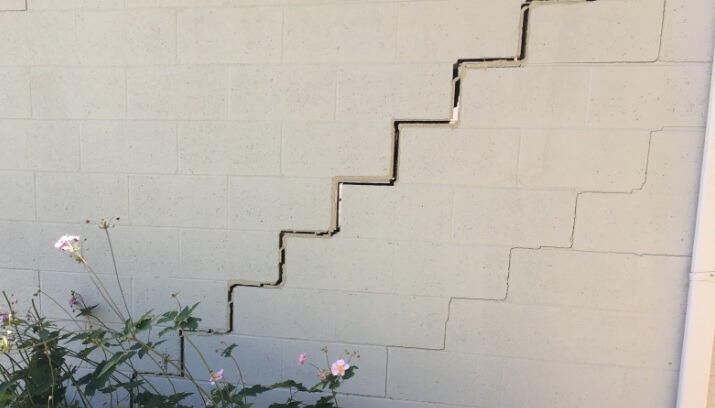
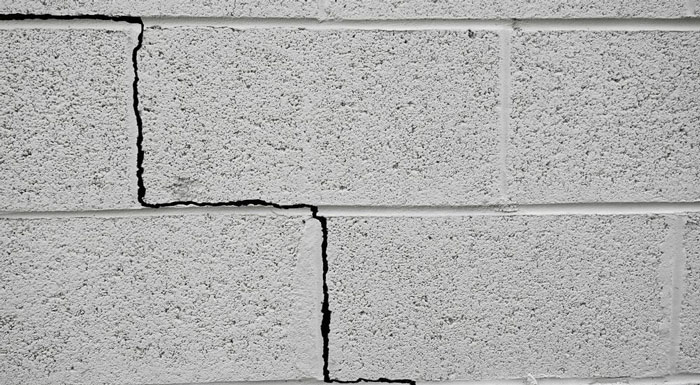
Diagonal cracks zigzagging through the mortar joints of block or brick.
Bowing or Leaning Walls
A basement wall that bulges inward or tips in at the top.
Sticking Doors and Windows
Doors that drag or will not latch, and windows that bind.
Uneven Floors
Floors that slope toward a corner or feel lower in one room.
Widening Gaps
Gaps opening where walls meet ceilings, trim, steps or the chimney.
Foundation Repair Solutions for Glen Burnie Homes
Carbon Fiber Straps for Bowing Walls
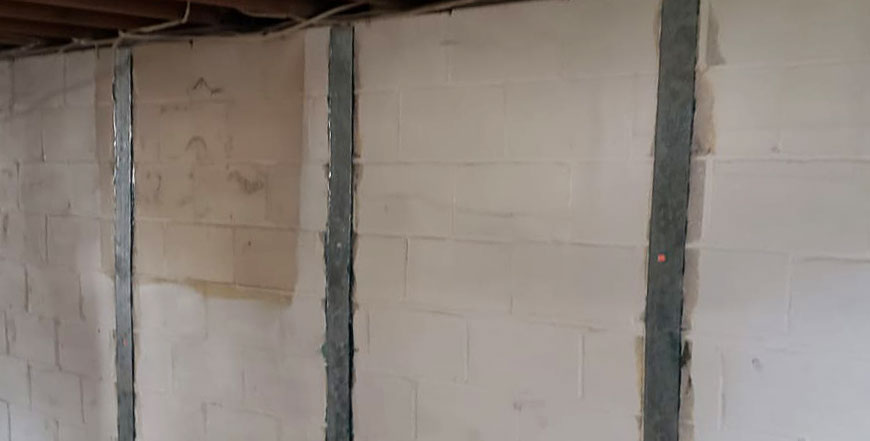
When bowing basement walls are caught early, carbon fiber straps are often the simplest fix. Saturated clay pushes sideways on the foundation, and after enough seasons that pressure can bend a wall inward and open a long horizontal crack. We bond carbon fiber straps to the wall with structural epoxy at set intervals and secure them at the top, so the wall can no longer flex inward under the load from the soil outside.
The straps lie almost flat against the wall, so they work well in basements that are finished or may be finished later. They can be painted and covered, and the installation is quick and tidy.
Steel I-Beam Wall Braces
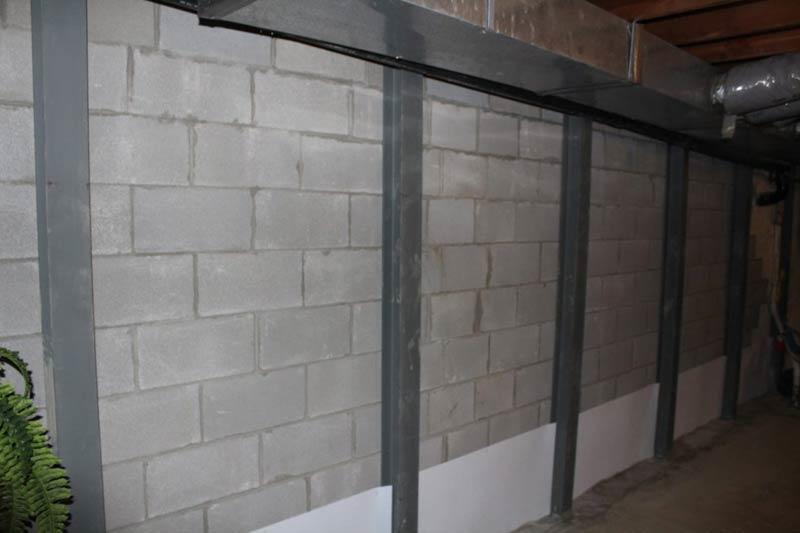
A wall that has moved further, or one that is tipping in at the top, usually needs more support than a strap can give. Steel I-beam wall braces run from the basement floor up to the floor framing above. They resist soil pressure along the full height of the wall and tie the top of the wall to the house, so it cannot keep leaning inward.
Wall braces can be tightened over time, which can help ease a moderately bowed wall back toward straight as conditions allow. We measure how much the wall has moved before recommending braces, straps or a rebuild.
Rebuilding Failed Block Walls
Many older Glen Burnie basements have block walls, and once a block wall has moved too far or sheared along a mortar joint, reinforcing it may no longer be enough. In that case, we rebuild the damaged section. The crew supports the house, takes out the failed block and lays a new, reinforced wall section designed to stand up to the soil behind it.
A rebuild is a bigger project, and we only recommend it when the wall truly calls for it. Because water pressure usually played a part, we also explain how to keep the new wall protected.
Push Piers and Helical Piers
A settling foundation is almost always a soil problem below the footing. Clay can shrink during a dry stretch, loose fill can compress over time, and water can wash soil out from under one corner. Settlement is rarely even, so it shows up as stair-step cracks near a corner, floors that slope, or a chimney or porch pulling away from the house.
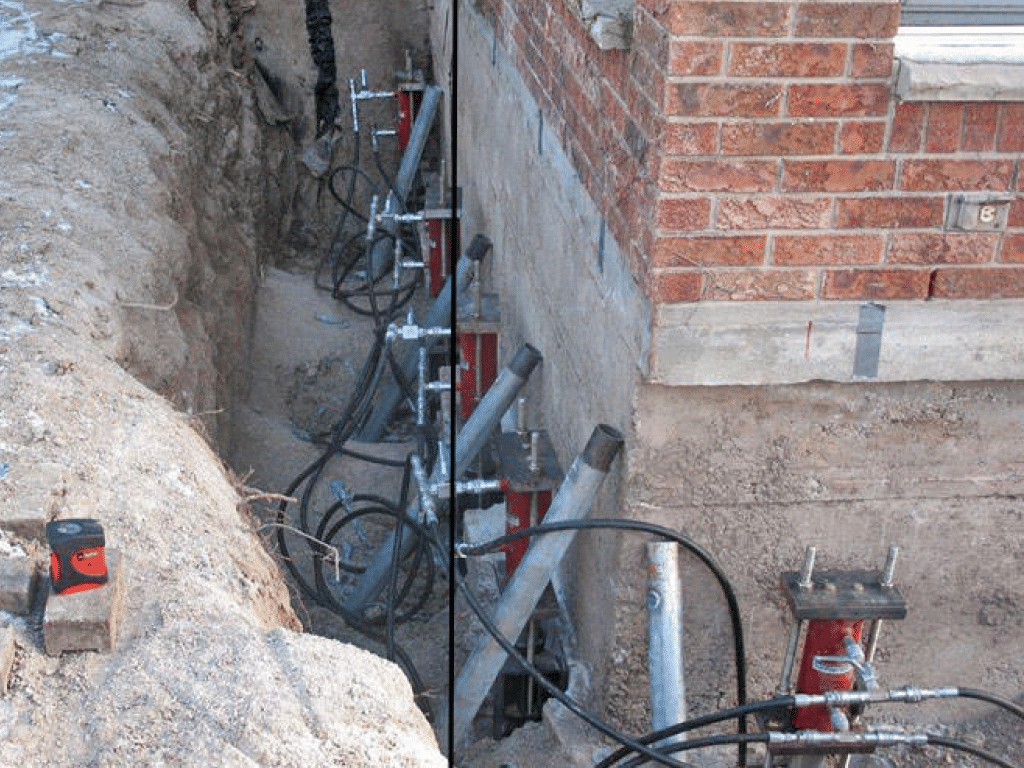
We stabilize settling foundations with steel piers that carry the weight of the house down to firmer, load-bearing soil. Push piers are driven using the weight of the structure, while helical piers are screwed into the ground with steel plates. Piers can also help lift a settled section back toward level.
Foundation Crack Repair
Not every crack is a warning sign. Thin vertical cracks in poured concrete are common as concrete cures and may only need sealing to keep water out. Horizontal cracks, stair-step cracks in block, and cracks that are wider at one end or keep growing are different, and they call for a structural fix before anything cosmetic.
For poured walls, we inject epoxy or polyurethane to seal the crack. When a crack is caused by ongoing movement, we pair that injection with carbon fiber or wall braces, so the foundation crack repair holds instead of a new crack opening nearby.
Wall Stabilization Planning
Bowing, leaning and cracking walls each respond to different repairs, and the right choice depends on how far the wall has moved, what it is built from and what is pushing on it. During a free inspection we measure the wall, look for water and check the soil and grading outside.
From there, we lay out the options side by side, whether that means straps, braces or a rebuild. If water is part of the cause, we include the drainage work that will protect the repair over time.
Our Foundation Repair Process
Free Inspection
We measure walls and floors, check for water and look for the source of movement.
Your Recommendation
We walk you through what we found and what we recommend for your foundation.
Structural Repair
Our in-house crew installs straps, braces or piers and keeps your home clean.
Warranty Protection
Qualifying repairs carry a transferable warranty that stays with the home.
Why Glen Burnie Homeowners Choose Best Buy Waterproofing
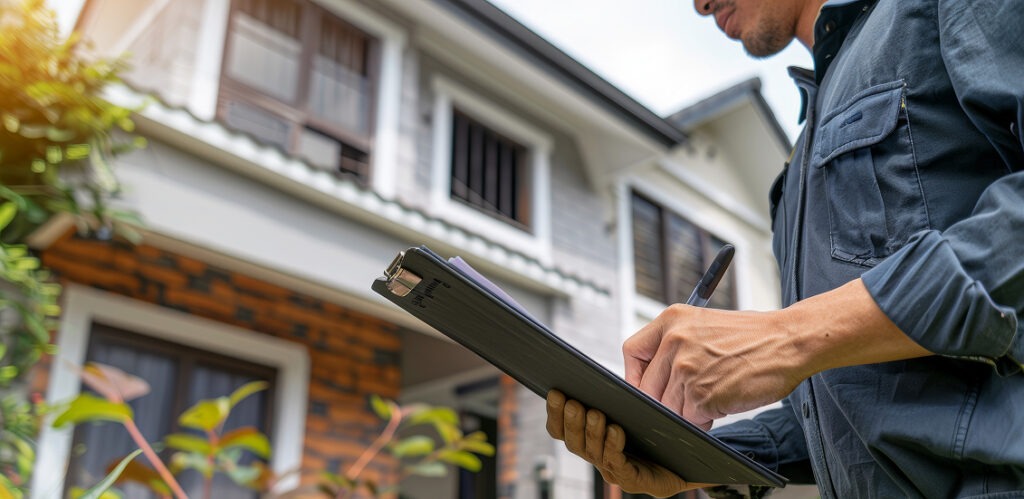
Foundation repair is a big decision, and you deserve straight answers about what is happening under your house. Glen Burnie homeowners choose us because we measure first, explain clearly and handle the work with our own crew.
- Nearby and established: Our Columbia office is close by, and we have served homeowners since 2017.
- Licensed and insured: Licensed in Maryland, Virginia, Washington DC, Pennsylvania, Delaware and West Virginia, and fully insured.
- Structure and water together: One in-house team handles foundation repair, waterproofing and crawl space work.
- No-pressure advice: A free inspection and a clear recommendation, with time to make your decision.
- Peace of mind: A transferable warranty, financing options and availability 24/7.
What Affects the Cost of Foundation Repair in Glen Burnie?
We don’t quote foundation repair from a price list, because every foundation in Glen Burnie has its own history. After your free inspection, you receive a firm price based on the repair your home actually needs.
Kind of Movement
Bowing, leaning, cracking and settling each call for a different repair.
Amount of Movement
How far a wall has bowed or a corner has dropped shapes the scope.
Repair Method
Straps, braces, rebuilds and piers use different materials and labor.
Soil Conditions
Layered sand and clay affect how deep piers must go.
Access
Finished basements, stored items and outside clearance change the work.
Water Problems
If water drove the damage, drainage may be needed to protect the repair.
Foundation Repair FAQs
What causes foundation problems in Glen Burnie?
Most of it comes back to soil and water. Glen Burnie sits on layered sandy and clay soils, and near the rivers and creeks the ground can stay wet for a long time. Wet clay pushes on basement walls, dry spells let it shrink away from footings, and freeze-thaw winters add their own pressure. Older homes have absorbed that strain for many years.
How do I know if a crack is serious?
Look at its direction and whether it changes. Thin vertical cracks in poured concrete are common and often just need sealing. Horizontal cracks, stair-step cracks in block and cracks that keep widening suggest soil pressure or settling. If you also notice sticking doors or sloping floors, schedule a free inspection so we can find the cause.
Can a bowing wall be fixed without a rebuild?
Often, yes. If the wall has moved a modest amount, carbon fiber straps or steel I-beam wall braces can stabilize it in place, and braces can be adjusted over time. A rebuild is usually reserved for walls that have moved too far or sheared. We measure the wall before recommending anything.
What is the difference between push piers and helical piers?
Both are steel piers that move the weight of your home onto firmer soil. Push piers are driven into the ground using the weight of the structure. Helical piers have screw-like plates and are turned into the soil, which can suit lighter loads. The soil under your house and the amount of settling guide which one we recommend.
Should I fix water problems before foundation repair?
They often go together. Water pressure is a common reason walls bow and soil shifts, so a repair without water control may face the same forces again. Because our team handles both foundation repair and basement waterproofing in Glen Burnie, we can plan the work in the right order and do it in one project.
Will a foundation repair affect selling my home?
A documented, professional repair usually reassures buyers more than an unexplained crack or bowed wall. Our transferable warranty can pass to the next owner, which adds confidence. If you plan to sell, getting an inspection early gives you time to make repairs on your own schedule.
More Services in Glen Burnie
Protect Your Glen Burnie Foundation
Foundation problems tend to grow, so it pays to look early. Schedule a free inspection in Glen Burnie, and we will measure what is happening and walk you through what we recommend. Financing is available.