Welcome to The Best Buy Waterproofing

Parkville, MD Foundation Repair

Carbon fiber straps, steel wall braces, piers and crack repair for older Parkville homes, starting with a free structural inspection.

Foundation Repair Contractors in Parkville, MD

Most foundations in Parkville were built between the 1940s and the 1960s, when the brick Cape Cods, rowhouses and duplexes along Harford Road went up. Many are concrete block, and block reacts to years of soil pressure differently than a poured wall: mortar joints open, cracks step across the courses and a wall can lean in. Best Buy Waterproofing provides foundation repair in Parkville for homes showing that strain, from a single new crack to a wall that has visibly bowed.

Clay soil is the usual cause. It swells and grows heavy when it soaks up rain, then shrinks as it dries in late summer, so the walls retaining it are pushed and released season after season. Frozen ground adds more load in winter. Our licensed, insured in-house crew measures the movement, explains the cause and stabilizes the structure with the method the damage calls for.

Signs You Need Foundation Repair in Parkville

Structural problems show up slowly. Spotting them early keeps the repair simpler.

Horizontal Crack in Block

A crack running sideways along a mortar joint, often near mid-wall.

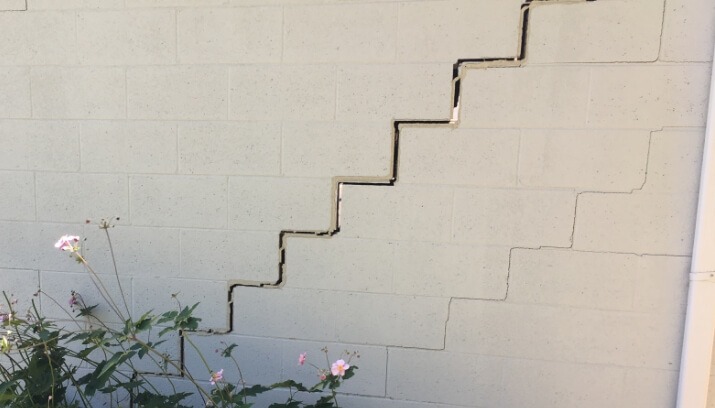
Stair-Step Cracks

Zigzag cracks climbing through the mortar of a block wall.

Wall Leaning Inward

The top of a basement wall tipping in, or a visible bulge.

Floor Sloping One Way

A marble rolls toward one corner or one end of the house.

Doors Suddenly Sticking

Interior doors rubbing the frame or no longer latching.

Chimney or Porch Separating

A gap opening where a chimney, stoop or porch meets the house.

Foundation Repair Solutions for Parkville Homes

Carbon Fiber Straps for Bowing Walls

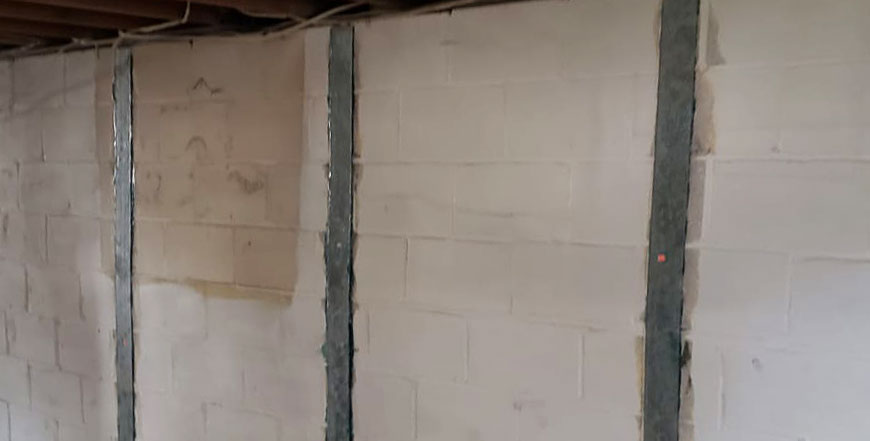
Bowing basement walls are among the most common structural problems in older block foundations. The first signs are usually a horizontal crack and a slight inward bulge on the wall holding back the most wet soil. While the movement is still modest, carbon fiber straps are a strong, low-profile repair. We bond the straps vertically at measured spacing and secure each one at the top and bottom so the wall cannot keep moving in.

Carbon fiber straps lie almost flat against the block. That makes them practical in compact Parkville basements where floor space counts, and in lower levels you plan to finish later, since the straps can be painted or covered. Installation is quick and the mess stays small.

Steel I-Beam Wall Braces and Wall Rebuilds

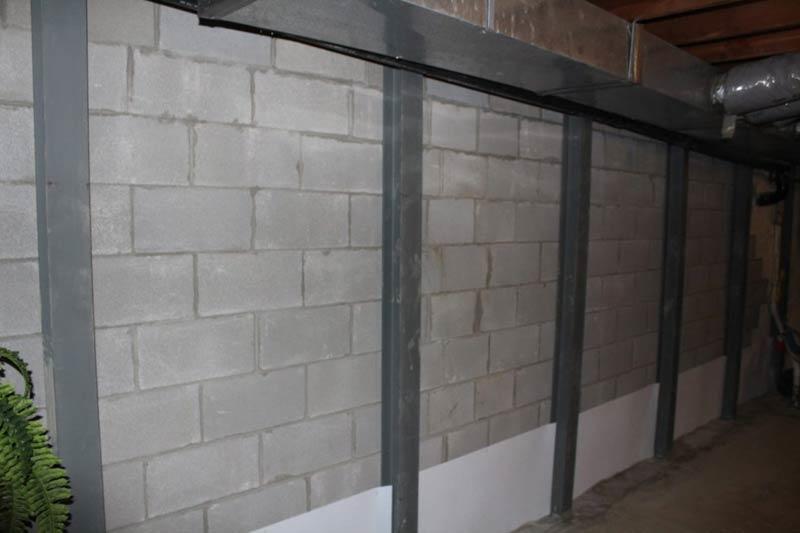
When a wall has moved further than straps can handle, steel I-beam wall braces provide heavier support. Each brace stands vertically against the wall, secured to the basement floor at the bottom and to the floor framing above. Together they stop the inward movement and spread the soil load across the wall rather than letting it concentrate at the crack.

Braces also apply steady resistance to the pressure behind the wall, which over time can help ease a bowed wall back toward its original position. If a section of block has shifted too far to reinforce safely, we recommend a wall rebuild, replacing the damaged section with new block, reinforcement and solid connections.

Push Piers and Helical Piers

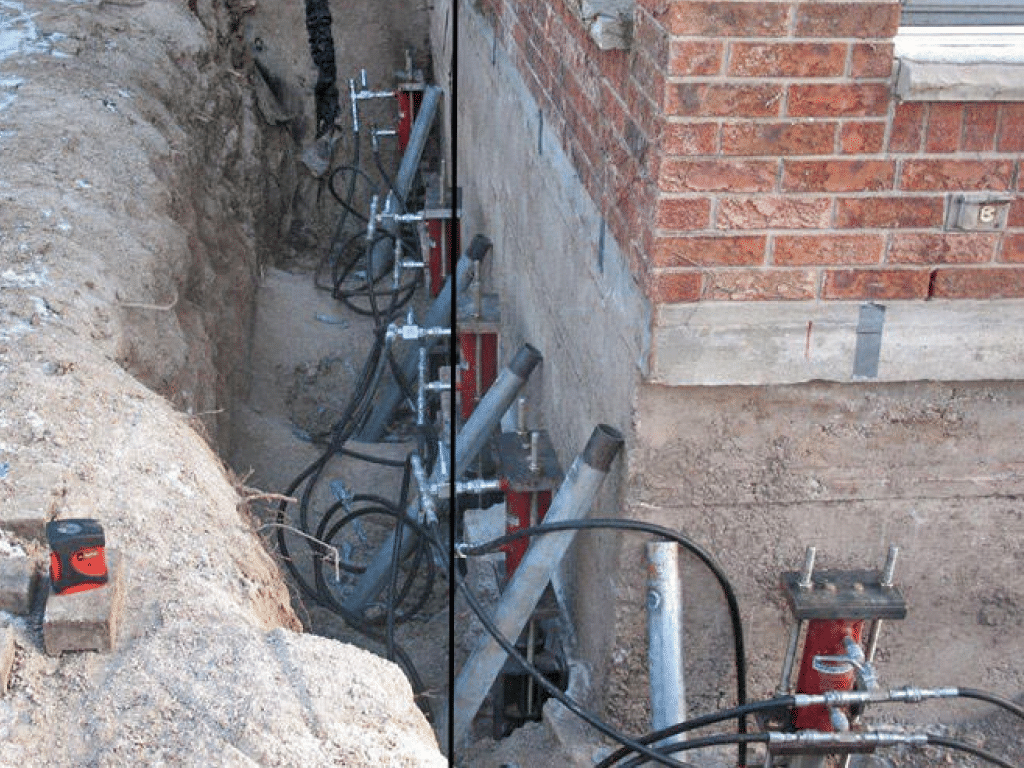
A settling foundation usually starts where the soil under a footing changes most. In Parkville, that is often beside a downspout that has emptied against the house for years, or under a corner where the clay swings between soaked and dry. As support drops away, the corner follows. We dig small access holes along the footing, attach steel brackets and transfer the weight of the house to firmer, load-bearing soil with steel piers.

Push piers are driven using the weight of the house as resistance and suit most settling footings. Helical piers screw into the soil and fit lighter loads such as stoops, porches and additions. Both can help lift the structure back toward level, and we correct the drainage that started the problem.

Foundation Crack Repair

Not every crack in a Parkville foundation is structural. Thin vertical cracks in poured concrete often form as the wall cures, and many never move again. Even so, any crack can let water in. Our foundation crack repair seals leaking cracks in poured walls, block walls and slabs, closing the path that water and soil moisture would otherwise follow into the basement.

Cracks that are horizontal, wider at one end or still growing tell a different story. They point to pressure or settlement, so we pair the seal with straps, braces or piers as needed. That way the foundation crack repair holds instead of reopening after the next wet season.

Our Foundation Repair Process

1

Free Inspection

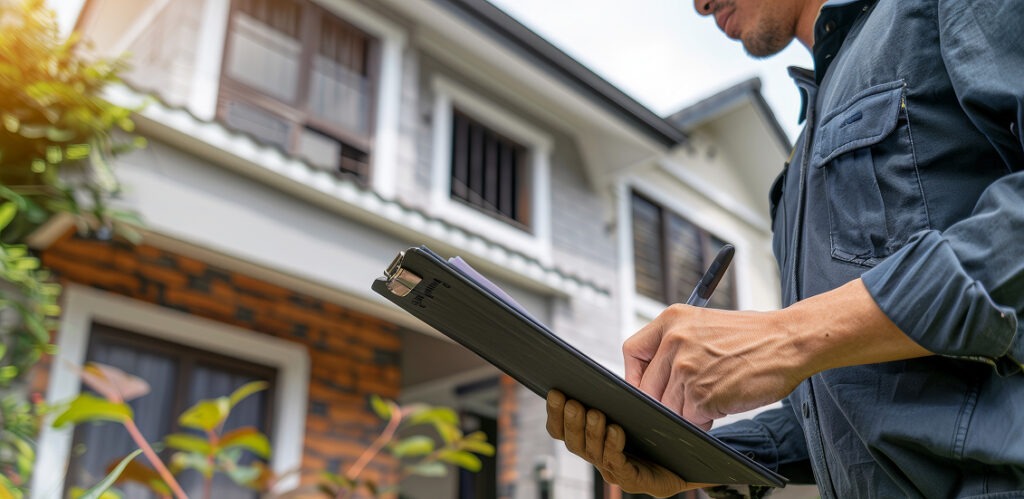
We measure walls and floors, map each crack and check drainage around the house.

2

Your Recommendation

You see the measurements, the cause and the repair we recommend, with a firm price.

3

Structural Installation

Our own crew installs the repair, takes care of any required permit and cleans up.

4

Warranty Protection

A transferable warranty covers qualifying repairs and can pass to the next owner.

Why Parkville Homeowners Choose Best Buy Waterproofing

Foundation repair in Parkville often means block walls that have carried soil pressure since the house was built. We measure first and recommend only what the structure needs.

What Affects the Cost of Foundation Repair in Parkville?

We don’t quote foundation repair from a price list, because each wall and footing moves for its own reasons. After a free inspection at your Parkville home, you get a firm price.

Amount of Movement

A slight bow may take straps; more movement may need braces or a rebuild.

Bowing or Settling

Inward wall movement and a sinking footing are repaired differently.

Number of Piers

How much footing needs support sets the number of piers.

Block or Poured Wall

Concrete block and poured concrete call for different repair details.

Finished Basement Areas

Drywall, paneling or built-ins that need to be moved for access.

Drainage Corrections

Downspouts or water problems that caused the damage may need fixing too.

Foundation Repair FAQs

Block walls are built from many units joined by mortar, and each joint is a place where the wall can give. Years of wet clay pushing from outside, plus freezing soil in winter, open those joints first. That is why stair-step and horizontal cracks are common in homes from this era.

Watch the direction and the width. Thin vertical cracks that stay the same are usually minor. Horizontal cracks, stair-step cracks in block, cracks wider at one end and any crack that keeps growing point to movement. We measure each one during the free inspection and tell you plainly.

It depends on how far the wall has moved. Carbon fiber straps suit modest bowing and take up almost no room. Steel I-beam wall braces support walls that have moved further and can help straighten them over time. When a section is past reinforcing, we recommend a rebuild.

Each fits a different job. Push piers use the weight of the house to drive down to firm soil, which suits most settling footings under a brick home. Helical piers are turned into the ground and work well for lighter loads like stoops, porches and additions.

Most wall stabilization happens inside your basement, so the work stays on your side of the shared wall. Pier installation needs small excavations along the affected footing, and we plan those around walkways and property lines. We explain what to expect before the crew arrives.

When a permit is required for your foundation repair, we handle it. Our licensed, insured crew completes every step in-house, and qualifying repairs come with a transferable warranty. We review the coverage with you before work starts, and financing is available if you want to spread out the investment.

More Services in Parkville

Basement Waterproofing in Parkville

Crawl Space Repair in Parkville

Basement Finishing

Foundation repair near Parkville, MD: Carney · Towson · Perry Hall · Rosedale · Essex · Baltimore

Have Your Parkville Foundation Checked

A crack that keeps widening or a wall that leans further each year will not correct itself. Schedule a free inspection at your Parkville home, and we will measure the movement and walk you through our recommendation.

Scroll to Top