Home » Service Areas » Essex, MD » Essex Foundation Repair
Essex, MD Foundation Repair
- Licensed & Insured
- 5-Star Rated
- Local Business
- Transferable Warranty
Foundation Repair Contractors Serving Essex, MD
Many homes in Essex went up in the 1940s through the 1960s, when block foundations were the standard for rowhouses, small single-family homes and the cottages that line the Back River and Middle River. Those walls have spent their whole lives in low, damp ground. Best Buy Waterproofing provides foundation repair in Essex, MD for the cracking, bowing and settling that this combination of age, water and soil tends to produce. We look at how your foundation has moved, figure out why, and recommend a repair that addresses the cause instead of covering it up.
The soils in this part of Baltimore County are layered sand and clay on the Coastal Plain, and they stay wet long after a summer storm. Saturated clay is heavy, and it presses sideways against basement walls. Freeze-thaw winters add more force, and soft or poorly compacted ground under a footing can let one section of the house drop. Our in-house team handles every part of the job, starting with a free inspection, so you get one clear plan from people who will also do the work.
Signs Your Essex Home Needs Foundation Repair
Foundation movement usually shows up gradually. These are the signs we see most often in older Essex homes.
Horizontal Wall Cracks
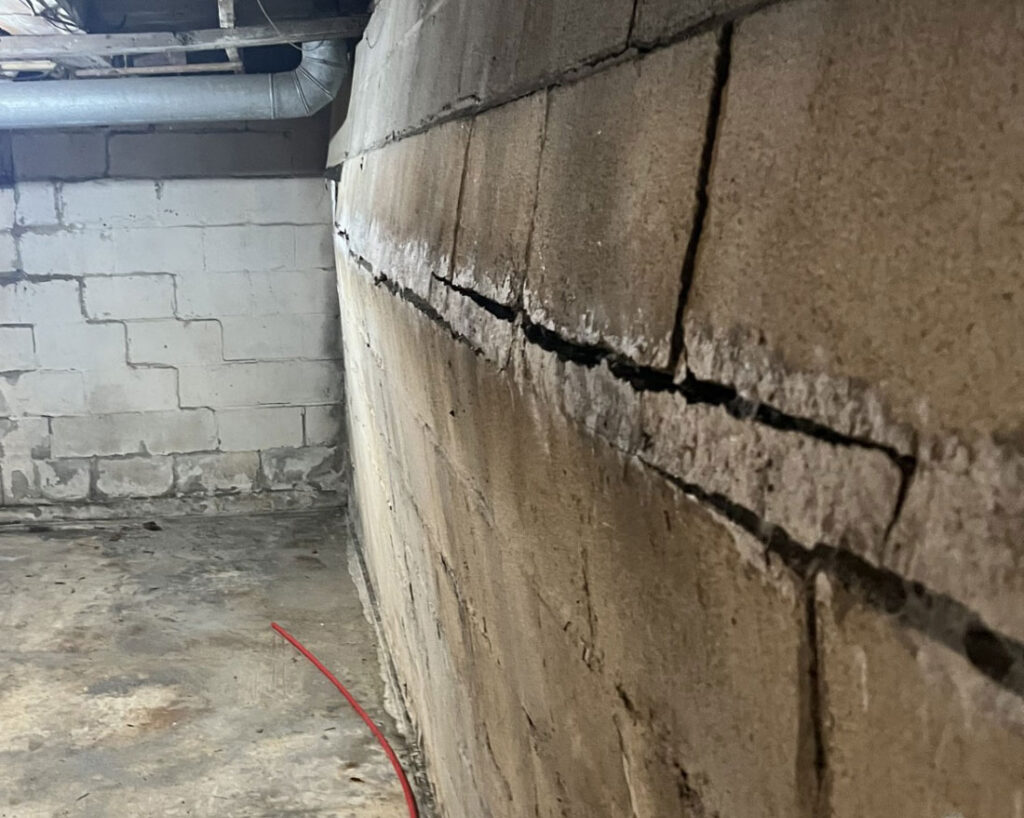
A long crack running sideways across a block or poured basement wall.
Stair-Step Cracks
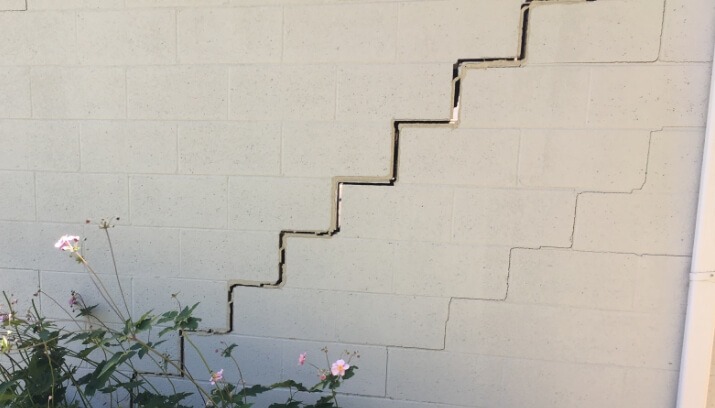
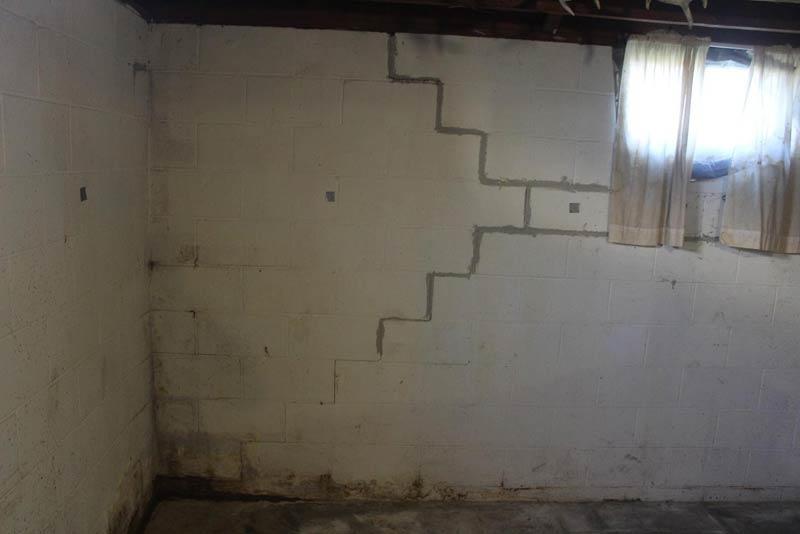
Cracks that zigzag along block mortar joints, inside or on the exterior brick.
Bowing or Leaning Walls
A basement wall that bulges inward or tilts at the top.
Sticking Doors, Windows
Doors and windows that suddenly jam or no longer latch properly.
Sloping or Sagging Floors
Floors that tilt toward one corner or feel uneven underfoot.
Gaps at Chimney or Trim
A chimney pulling away from the house or gaps opening at trim.
Foundation Repair Solutions for Essex Homes
Bowing Wall Stabilization
Bowing basement walls are one of the most common foundation problems in older Essex homes. Block walls are built from individual units held together by mortar, and when wet clay outside the wall swells and freezes, the pressure eventually finds the weakest joint. The first sign is usually a horizontal crack about halfway up the wall. Over time, the wall can start to lean or bulge inward, and the movement tends to speed up in wet seasons.
We stabilize bowing basement walls by reinforcing them from the inside. The right method depends on how far the wall has moved, what it is made of and how you use the space. Our inspection measures the bow so we can recommend straps, braces or, in severe cases, a rebuild.
Carbon Fiber Straps
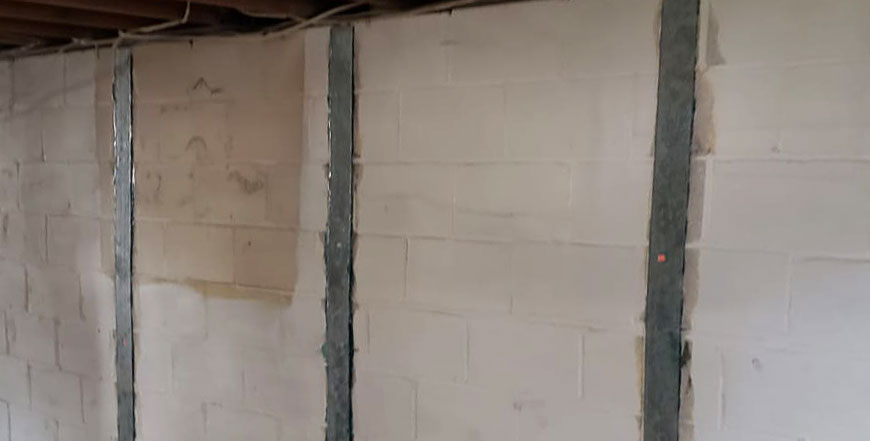
Carbon fiber straps are a slim, strong way to stop a wall that has cracked or started to bow but has not moved too far. Each strap is bonded to the wall with structural epoxy and secured at the top and bottom, so the wall can no longer flex inward under soil pressure. The straps sit nearly flush with the surface, which makes them a good fit for rowhouse basements where space is tight.
Carbon fiber straps are installed entirely from inside the basement with no digging. They can be painted, and they leave room to finish the space later.
Steel I-Beam Wall Braces
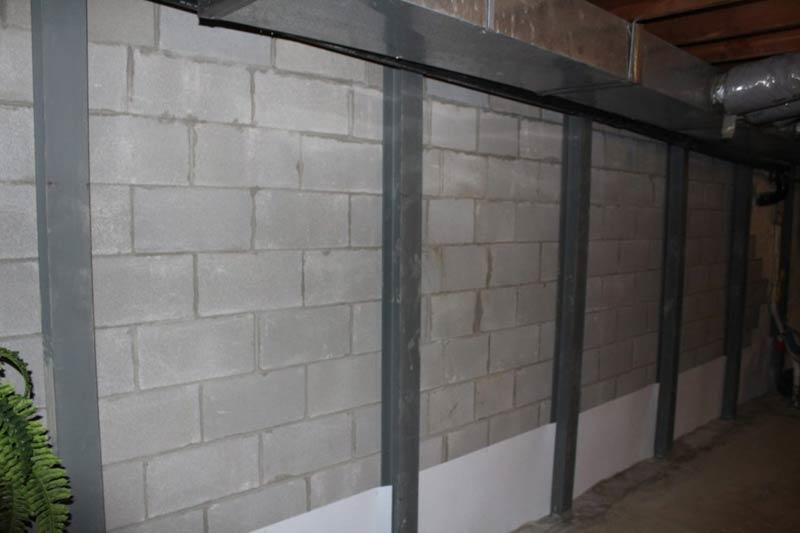
When a wall has moved further, steel I-beam wall braces give it more support. The braces stand vertically against the wall and are secured to the basement floor and to the framing above, so they hold the wall in place from top to bottom.
Wall braces can be adjusted over time, which may help bring a moderately bowed wall back toward plumb. We set the spacing based on the length of the wall and how far it has moved.
Settling Foundation Repair With Piers
A settling foundation happens when the soil beneath part of the house can no longer carry its weight evenly. On low ground near the water, soil that stays soft and wet can compress under a footing, and older homes sometimes sit on fill that was never well compacted. One corner or wall usually drops first, which leads to stair-step cracks, sloping floors and doors that stick.
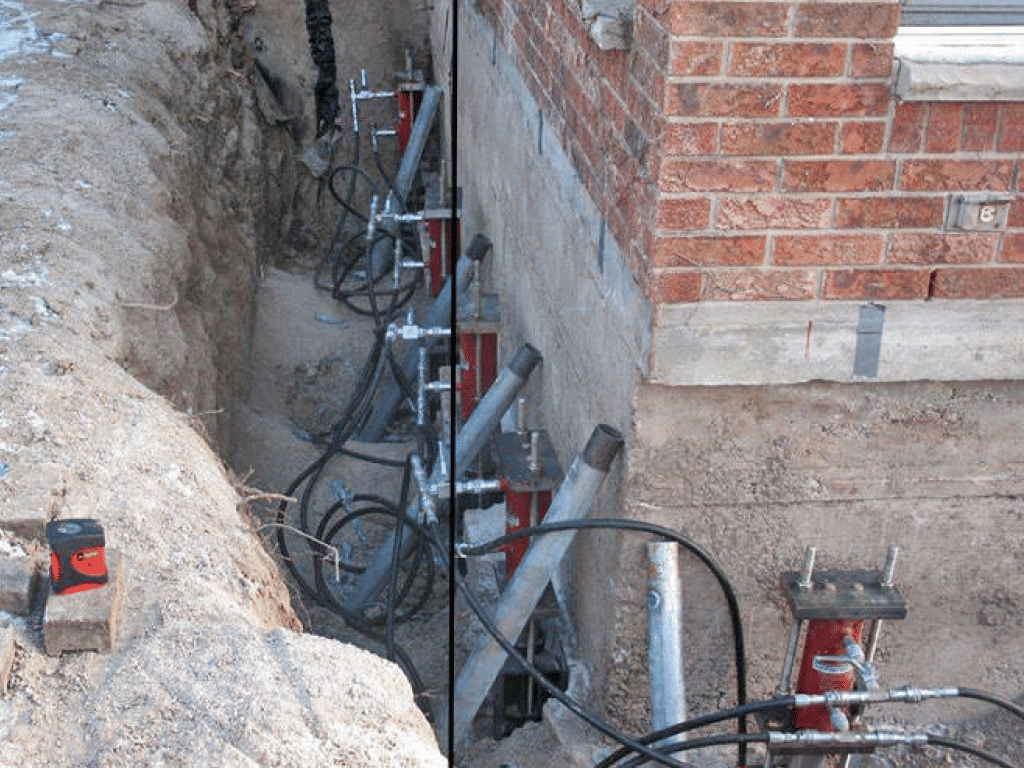
We repair settlement with push piers or helical piers. Push piers are driven down using the weight of the house, while helical piers are turned into the ground and suit lighter structures such as porches and additions. Both carry the load past the weak soil to stable ground and can often help lift the settled section back toward level.
Foundation Crack Repair
Not every crack is a structural problem. Thin vertical cracks in poured walls often come from normal shrinkage, while horizontal cracks, stair-step patterns and cracks that keep widening usually point to soil pressure or settlement. Good foundation crack repair starts with knowing which kind you have.
For poured walls, we inject polyurethane or epoxy to seal the crack through the full thickness of the wall. When movement is behind it, we pair the injection with straps, braces or piers so the crack does not simply reopen.
Basement Wall Rebuilds
Sometimes a block wall has moved too far to brace in place, with blocks sheared or the bottom of the wall pushed inward. In that case, rebuilding is the safer repair. We support the house, remove the damaged section and lay new block on a sound base.
While the wall is open, we also deal with the drainage that helped cause the damage, so the new wall is not facing the same wet soil. Excavation, rebuilding and backfill are all handled by our own crew.
Our Foundation Repair Process
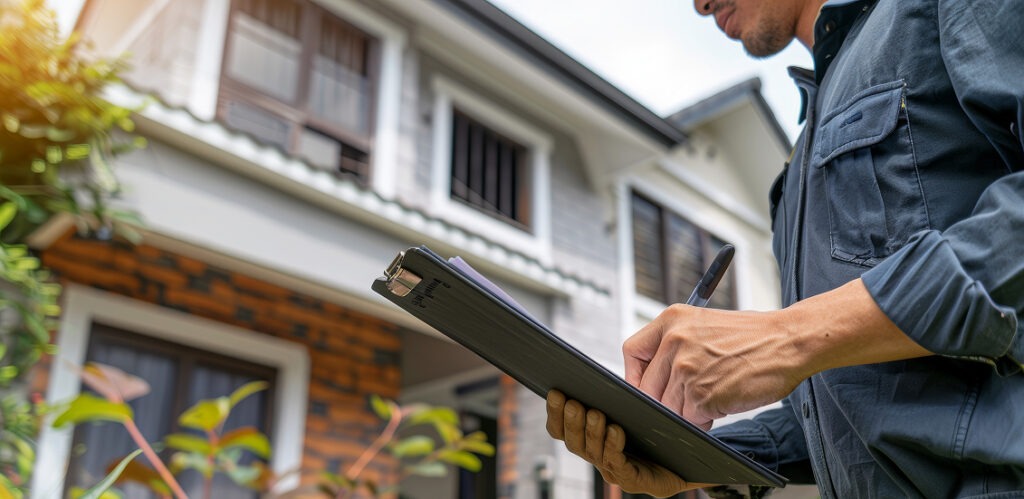
Free Inspection
We examine walls, cracks, floors and drainage, and measure any bowing or settlement.
Your Recommendation
We walk you through what we found and what we recommend to stabilize your home.
Repair Installation
Our crew installs straps, braces or piers and leaves the work area clean.
Warranty Protection
Your foundation repair is backed by our transferable warranty.
Why Essex Homeowners Choose Best Buy Waterproofing
Foundation repair in Essex often goes hand in hand with water problems, since wet soil drives so much of the damage. Homeowners choose us because one team can fix both.
- In business since 2017: Serving homeowners in Essex and across Baltimore County.
- Licensed and insured: Licensed in Maryland, Virginia, Washington DC, Pennsylvania, Delaware and West Virginia, and insured.
- One in-house team: Foundation repair and waterproofing from the same crew, planned together.
- Financing available: Flexible financing helps you stabilize your foundation without waiting.
- Transferable warranty: Coverage that can pass to the next owner if you sell your home.
What Affects the Cost of Foundation Repair in Essex?
We don’t quote foundation repair from a price list, because no two Essex foundations have moved the same way. After a free inspection, you get a firm price for the repair your home needs.
Amount of Movement
How far a wall has bowed or how much a section has settled.
Length of Wall
Longer walls need more straps or braces along their length.
Foundation Material
Block, poured concrete or older masonry each need different repairs.
Repair Method
Straps, braces, piers or a wall rebuild each involve different labor.
Soil Conditions
Depth to stable soil affects how far piers must be installed.
Drainage Needs
Waterproofing may be added to relieve pressure on the repaired wall.
Essex Foundation Repair FAQs
Why do so many older Essex basements have bowing walls?
Many homes here have block foundations from the 1940s through the 1960s, and they sit in layered clay and sandy soils that stay wet near the water. Saturated clay is heavy and pushes sideways, and winter freezes add more pressure. Over many years, that force can crack mortar joints and push a block wall inward.
Is a horizontal crack in my basement wall serious?
A horizontal crack in a block or poured wall usually means soil pressure is pushing on it, so it deserves a professional look. Some walls have barely moved, while others are actively bowing. We measure the wall during your free inspection and tell you whether it needs reinforcement now or simply monitoring.
Can you repair the foundation of a rowhouse?
Yes. Rowhouse foundation repair is usually done from inside the basement, using carbon fiber straps or wall braces on the front and rear walls, which tend to take the most soil pressure. Interior work keeps the job within your unit. If settlement is involved, we explain how piers would be placed before any work starts.
Will I need to dig up my yard for foundation repair?
Usually not. Carbon fiber straps and steel I-beam wall braces are installed from inside the basement and secured at the floor and framing, so the yard stays untouched. Piers need access at the footing, which can mean limited digging at one section of the house. A wall rebuild involves excavation, and we restore the area once the new wall is in.
Should I fix drainage before foundation repair?
Often the two go together. Wet soil is the main force behind bowing and settling in Essex, so relieving water pressure helps a repair last. We look at gutters, grading and basement drainage during the inspection, and if waterproofing would help, we include it in the same recommendation.
Is the foundation repair warranty transferable?
Yes. Our foundation repair work comes with a transferable warranty, so the coverage can pass to the next owner if you sell your home. Buyers tend to appreciate seeing documented repairs on an older house. We go over the warranty details with you before work begins.
More Services in Essex
Foundation repair near Essex, MD: Middle River · Rosedale · Dundalk · Perry Hall · Parkville · Edgemere · Baltimore
Stabilize Your Essex Foundation
Cracks and bowing walls tend to get worse with each wet season. Schedule a free inspection anywhere in Essex, and we will walk you through what we found and what we recommend. Financing is available.