Home » Service Areas » Towson, MD » Towson Foundation Repair
Towson, MD Foundation Repair
- Licensed & Insured
- 5-Star Rated
- Local Business
- Transferable Warranty
Foundation Repair Contractors in Towson, MD
Towson’s hills hold a lot of well-built older homes: brick colonials, steep-roofed Tudors and long rows of brick homes in places like Rodgers Forge. Many have stood for close to a century, and their foundations have spent that whole time in silty clay soil that swells when wet, shrinks when dry and freezes every winter. Best Buy Waterproofing provides foundation repair in Towson for homeowners who are noticing cracked block, bowing walls, sticking doors or floors that no longer feel level.
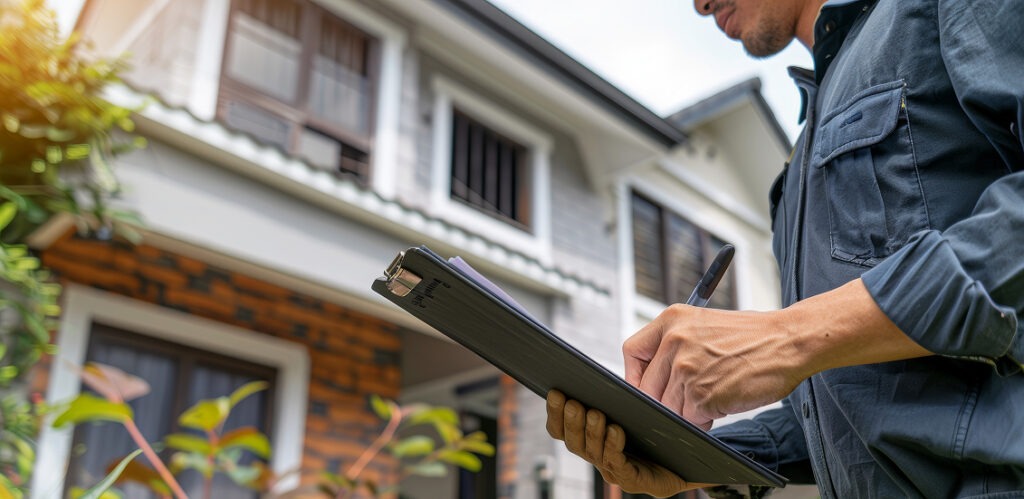
Foundation trouble here usually comes from one of two forces. Wet clay pressing sideways against a basement wall can crack it and push it inward. Soil that loses support under a footing, often on the downhill side of a sloped lot, lets part of the house sink. Each calls for a different repair, so our in-house team starts every job with a free inspection. We measure the movement, look at drainage and explain clearly what is happening and what it will take to fix it.
Signs You Need Foundation Repair in Towson
Foundation movement tends to show up in small ways first. If you see any of these in your Towson home, it is worth a closer look.
Horizontal Wall Cracks
A long crack across a block or concrete wall, often near mid-height.
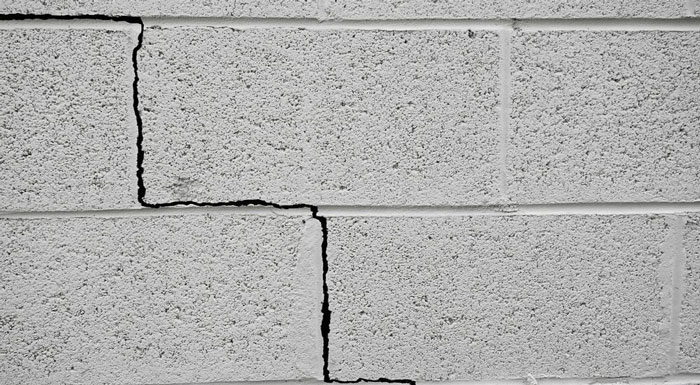
Stair-Step Cracks
Cracks zigzagging along mortar joints in block or brick walls.
Wall Leaning Inward
A basement wall that bows, bulges or tilts at the top.
Sticking Doors, Windows
Frames pulling out of square so doors and windows bind or gap.
Sloping or Uneven Floors
Floors dipping toward one corner or one side of the house.
Cracks in Plaster
Diagonal cracks spreading from door and window corners upstairs.
Foundation Repair Solutions for Towson Homes
Basement Wall Stabilization
When soil pressure starts moving a basement wall, the goal is to stop it before it moves any further. Wall stabilization holds the wall where it is, so cracks stop widening and the bow stops growing. In Towson, where heavy clay sits against so many older block foundations, this is one of the most common repairs we make. The right method depends on how far the wall has moved, what it is built from and how the basement is used.
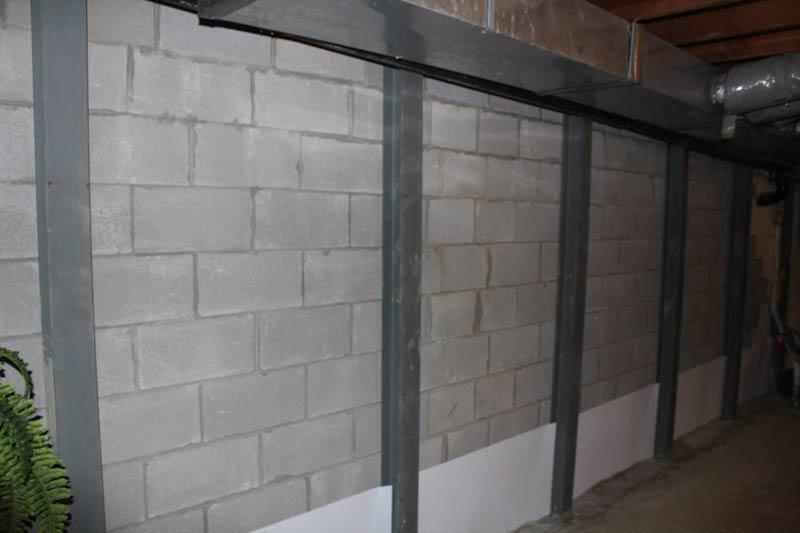
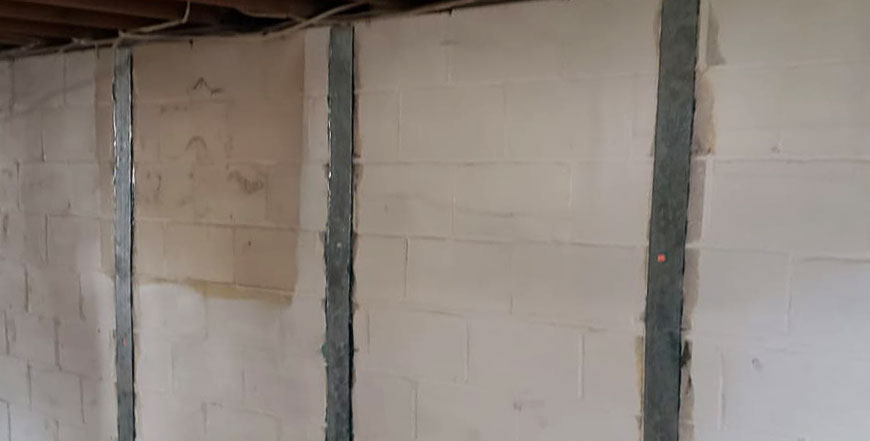
We use two proven systems: carbon fiber straps for walls with modest movement and steel I-beam wall braces for walls that have bowed further. Both are secured at the top and bottom of the wall and installed entirely from inside the basement.
Carbon Fiber Straps
Carbon fiber straps are thin, very strong strips bonded to the face of a basement wall at regular spacing. Once in place, they resist the inward push of the soil and keep bowing walls from moving further. They are a strong fit when a wall shows horizontal cracking or a slight bow but has not shifted far out of plumb.
Because the straps sit nearly flat against the wall, they take up almost no room and can be painted or covered later. That matters in Towson homes where the basement is already a laundry room, workshop or play space, or where homeowners plan to finish it someday.
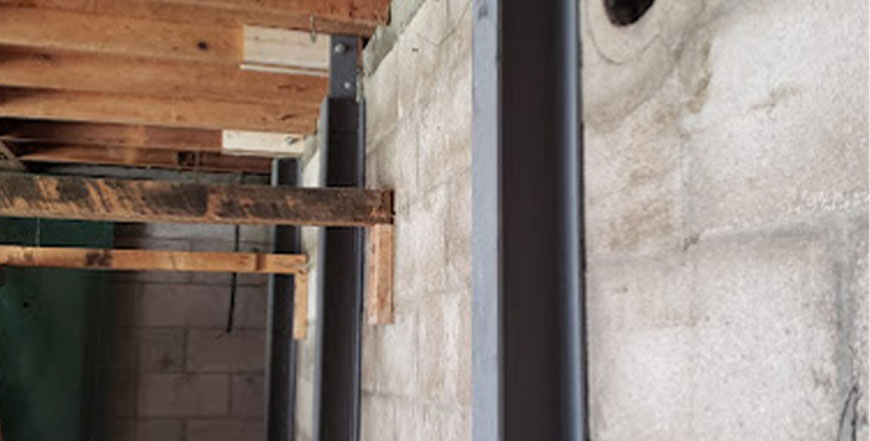
Steel I-Beam Wall Braces
When a wall has bowed further, steel I-beam wall braces offer more strength. Each vertical beam is set against the wall and secured to the basement floor at the bottom and to the floor framing above. That holds the wall firmly in position and stops it from leaning further inward.
Wall braces can also be adjusted over time, which may let a wall be gradually eased back toward its original position in suitable cases. We explain during the inspection whether braces or straps are the better choice for your wall and why.
Basement Wall Rebuild
Some walls have moved too far, sheared at the base or broken into loose, crumbling block. Bracing a wall in that condition is not enough. A basement wall rebuild removes the damaged section and replaces it with new block, restoring a straight, solid wall that can carry its load again.
Older Towson basements with deteriorated mortar sometimes reach this point after many years of wet soil and freeze-thaw cycles. A rebuild is a bigger project, so we only recommend it when stabilizing the existing wall will not hold. We also look at drainage so the new wall does not face the same pressure.
Push Piers for Settling Foundations
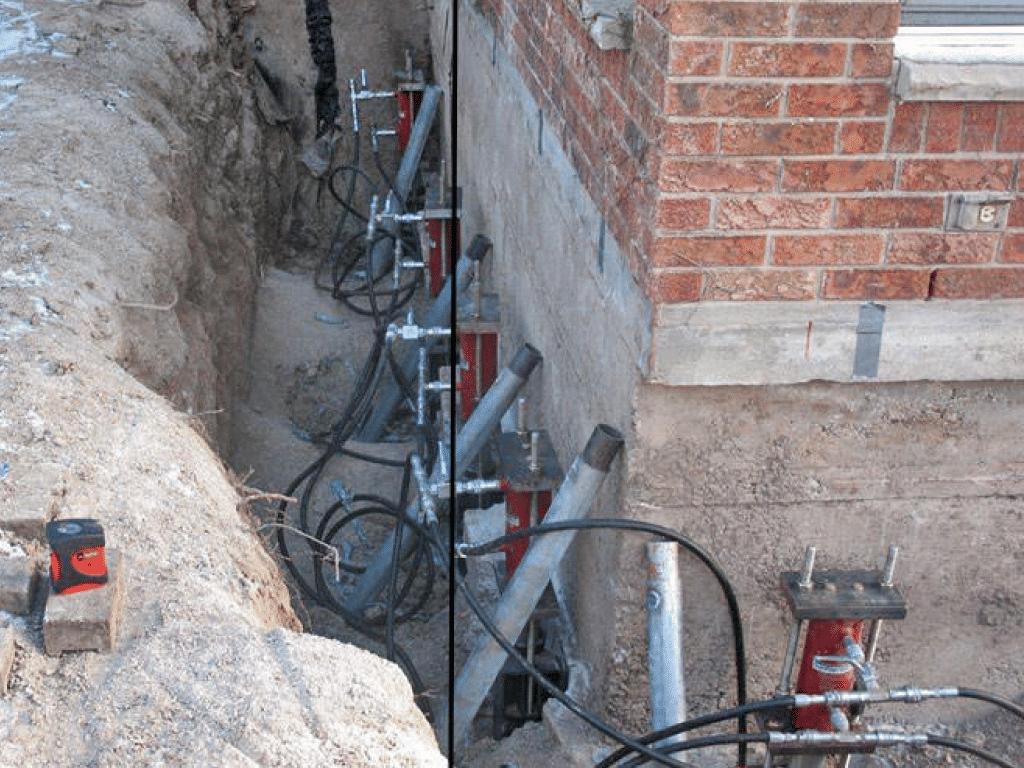
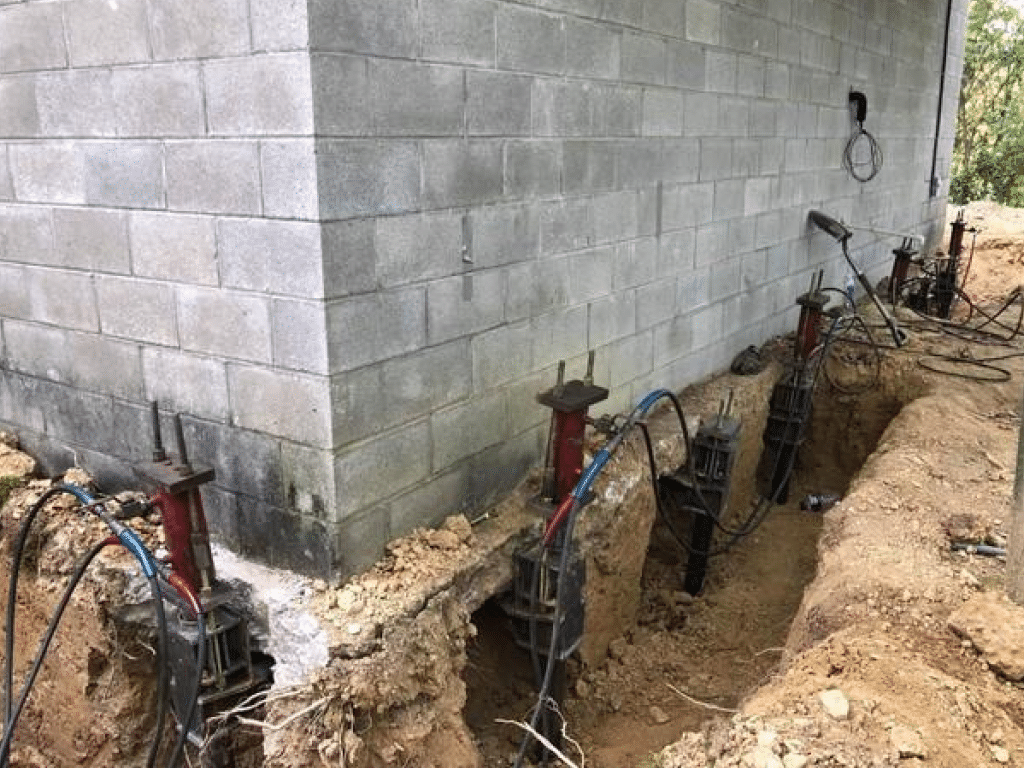
A settling foundation happens when soil under part of the footing compresses, washes out or dries and shrinks. On hilly Towson lots, the downhill corner and areas near overflowing downspouts are frequent trouble spots. Push piers are steel sections driven down beneath the footing to firmer soil, using the weight of the house to set them.
Once the piers are in place, the load moves onto them instead of the weak upper soil. In many cases they can also help lift the settled section back toward level, which often closes cracks and helps doors and windows operate normally again.
Helical Piers for Porches and Additions
Helical piers are steel shafts with plates along their length that are turned into the ground like a large screw until they reach stable soil. They do not rely on the weight of the structure to install, which makes them a good fit for lighter loads.
Many Towson homes have front porches, side additions or rear sunrooms that were built on shallower footings than the main house. When one of those pulls away or sinks, helical piers can support it and help bring it back toward level. We may also use them for sections of a main foundation.
Our Foundation Repair Process
Free Inspection
We examine cracks, measure wall movement and floor levels, and check drainage around the house.
Your Recommendation
We walk you through what we found and what we recommend to stabilize the home.
Repair Installation
Our in-house crew installs straps, braces, piers or new block and cleans up.
Warranty Protection
Your repair is documented and backed by our transferable warranty.
Why Towson Homeowners Choose Best Buy Waterproofing
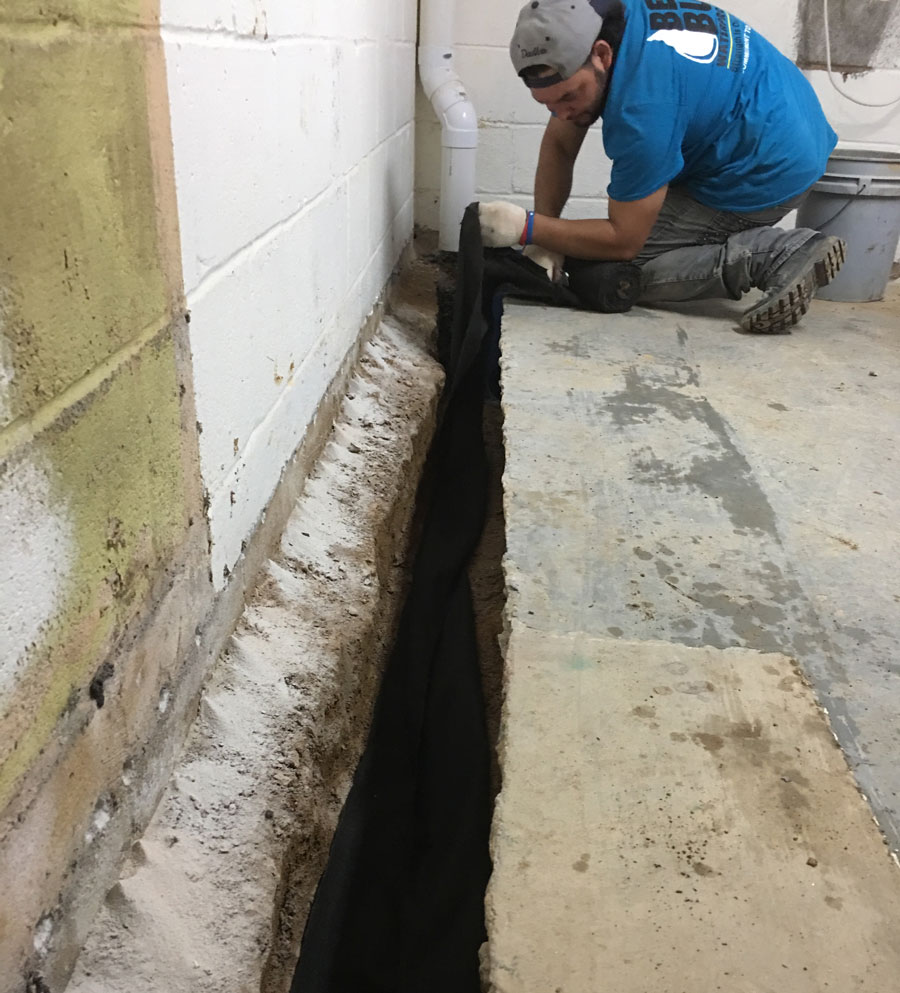
Foundation repair in Towson often overlaps with water problems, so it helps to have one team that handles both. We diagnose the cause, make the repair and address the drainage behind it.
- In business since 2017: We have worked on Maryland homes and foundations since 2017.
- Licensed and insured: Licensed in Maryland, Virginia, Washington DC, Pennsylvania, Delaware and West Virginia, and insured.
- Our own crew: Foundation repair, waterproofing and crawl space work from one in-house team.
- Transferable warranty: Repairs are backed by a warranty that can pass to a future owner.
- Free inspection, financing: Free inspections, flexible financing and availability 24/7.
What Affects the Cost of Foundation Repair in Towson?
We don’t price foundation repair from a list, because the cause and extent of movement differ in every Towson home. You get a firm price after a free inspection.
Amount of Movement
How far a wall has bowed or how much a corner has settled.
Repair Method
Straps, braces, piers and rebuilds each involve different materials and labor.
Length of Wall
How many feet of wall need reinforcement or replacement.
Foundation Material
Block, poured concrete and older masonry respond differently to repair.
Access to the Work
Finished walls, tight basements and steep yards affect setup time.
Drainage Needs
Water pressure behind the wall may call for waterproofing as well.
Foundation Repair FAQs
Are cracks in my Towson basement normal?
Thin vertical cracks in poured concrete are common and often come from shrinkage as the concrete cured. Horizontal cracks, stair-step cracks in block and any crack wider at one end deserve attention, because they usually point to soil pressure or settlement. A free inspection tells you which kind you have.
Why are so many block walls bowing in older homes?
Older block walls rely on mortar joints that weaken over time. Clay soil around them swells when wet and freezes in winter, pushing inward again and again. Eventually the wall cracks along a mortar line and begins to bow. Stabilizing it early keeps the repair simpler.
What is the difference between carbon fiber straps and wall braces?
Carbon fiber straps bond flat to the wall and suit walls with modest movement. Steel I-beam wall braces are heavier, secured to the floor and the framing above, and suit walls that have bowed further. Both stop movement. We recommend one after measuring your wall.
My house sits on a slope. Does that affect the foundation?
It can. On a sloped lot, the uphill wall often carries more soil and water pressure, while the downhill side can lose support if runoff washes soil away or keeps it soft. That is why we check grading, gutters and downspouts along with the walls. Many Towson homes need both a repair and better drainage.
Will fixing the foundation stop my basement from leaking?
Not always. Stabilizing a wall stops it from moving, but water can still come through cracks, joints or the floor. Since the same wet soil often causes both problems, we look at drainage during the inspection and explain whether waterproofing should be part of the plan.
Do you need a permit for foundation work?
Some foundation projects require a permit and others do not, depending on the scope. When a permit is required for your Towson home, we handle it. Either way, you will know what to expect before work begins, and every project starts with a free inspection.
More Services in Towson
Foundation repair near Towson, MD: Parkville · Timonium · Carney · Lutherville · Pikesville · Cockeysville · Perry Hall
Protect Your Towson Home's Foundation
Cracks and bowing walls rarely fix themselves. Schedule a free inspection for your Towson home, and we will measure what is happening and walk you through the foundation repair that fits.