Home » Service Areas » Wilmington » Wilmington Foundation Repair
Wilmington, DE Foundation Repair
- Licensed & Insured
- 5-Star Rated
- Local Business
- Transferable Warranty
Foundation Repair Contractors in Wilmington, DE
Many Wilmington houses have stood on the same stone, brick or block foundation for more than a hundred years. Over that stretch, wet soil, winter freezes and shifting ground can open cracks, push walls inward and let part of a house drop. Best Buy Waterproofing provides foundation repair in Wilmington for brick rowhouses and twins, for the larger older homes in the northern neighborhoods and for newer houses too. We start by finding out what is moving and why, because the cause decides the repair, and a fix that ignores the cause rarely lasts.
The city’s ground plays a big role. North of downtown, hilly Piedmont terrain means sloped lots, where soil on the uphill side presses harder against basement walls and soil on the downhill side can shift. Toward the Brandywine and Christina rivers, flatter, lower ground keeps soil wet longer and adds steady pressure. Our in-house team has handled foundation work since 2017, is licensed in Delaware, Maryland, Virginia, Washington DC, Pennsylvania and West Virginia, and is insured. Each project starts with a free inspection.
Signs You Need Foundation Repair in Wilmington
Foundation trouble often shows up in the rooms upstairs first. If your Wilmington home has more than one of these, schedule an inspection.
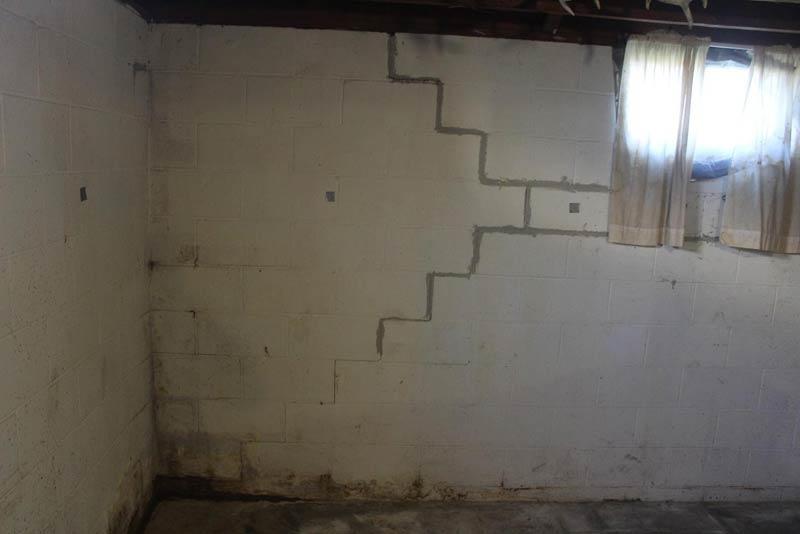
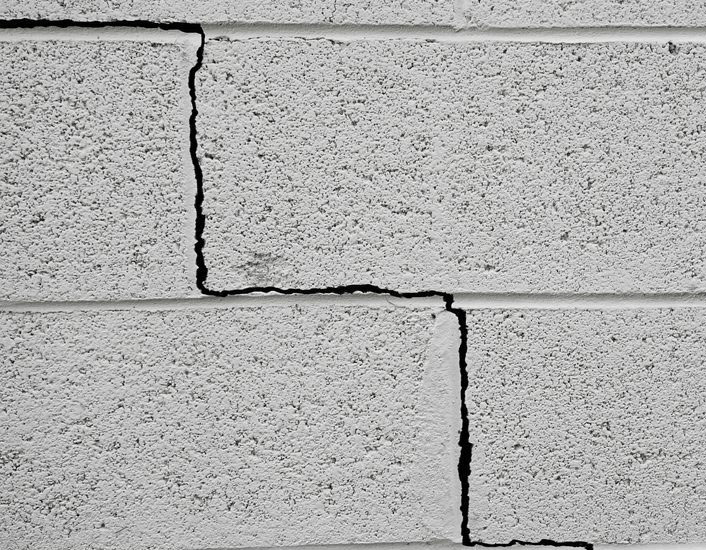
Stair-Step Mortar Cracks
Zigzag cracks through block or brick mortar signal sideways soil pressure on the wall.
Horizontal Wall Cracks
A long crack running across a wall often appears before the wall begins to bow.
Walls Leaning Inward
A wall that bulges or tilts into the basement is moving and needs support.
Sticking Doors and Windows
Frames that bind or show gaps can mean the structure has shifted.
Sloping Floors
Floors that dip toward one side suggest a section of foundation has settled.
Porches Pulling Away
Steps and porches separating from the house point to uneven settling.
Foundation Repair Solutions for Wilmington Homes
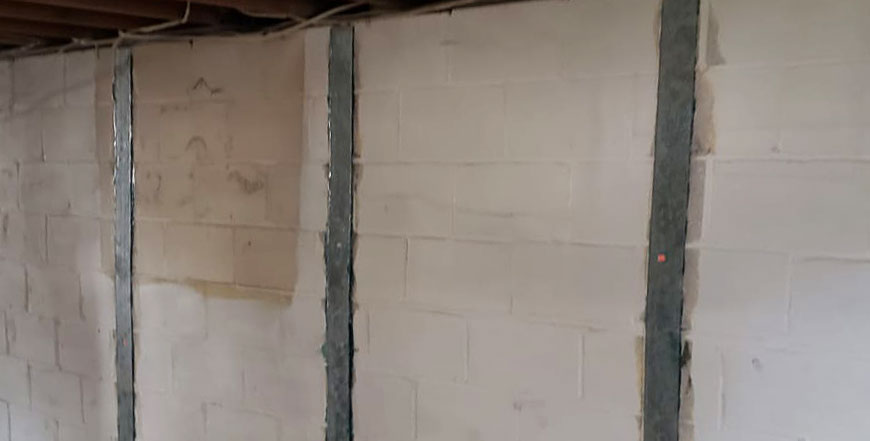
Carbon Fiber Straps
When a basement wall has cracked or started to bow but has not moved far, carbon fiber straps are often the most practical repair. We bond the straps to the wall at measured intervals and secure them at the top and bottom, so the wall can no longer creep inward. They sit almost flush, take up no floor space and can be painted or covered by a finished wall later, which matters in compact rowhouse basements where every foot of space counts.
Straps work on poured concrete and many block walls while the movement is still modest. They are designed to hold a wall where it is, so we measure the bow carefully during the inspection to confirm they are the right fit.
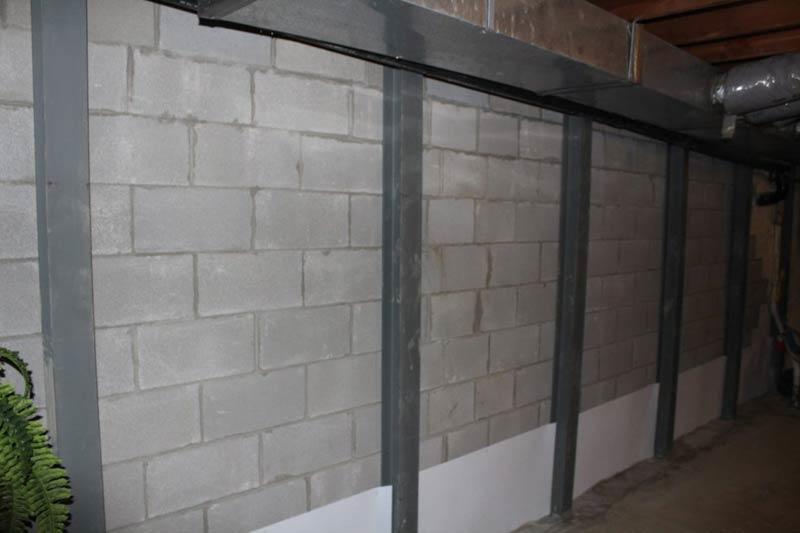
I-Beam Wall Braces
Walls that have bowed further need heavier support. I-beam wall braces stand upright against the wall and are secured to the basement floor and to the floor framing above, passing the soil pressure into the structure of the house. That stops further movement, and over time the braces can help ease a leaning wall back toward straight.
Braces suit block walls that have moved more than straps can handle, including walls on the uphill side of sloped lots in the northern part of Wilmington, where soil pressure is often greatest. Before installation, we show you where each brace will go and how it fits around storage or finished areas.
Block Wall Rebuilds
Some block walls are too damaged to stabilize in place. When block has broken apart, the base of the wall has slid inward or the bow is severe, we excavate along that section, remove the damaged block and rebuild it with new block, reinforcement and mortar. With the outside of the wall exposed, it is also a good time to add exterior waterproofing and drainage.
A rebuild is a larger project, so we recommend one only when straps or braces will not reliably hold the wall. If stabilization will do the job, we tell you so.
Push Piers for a Settling Foundation
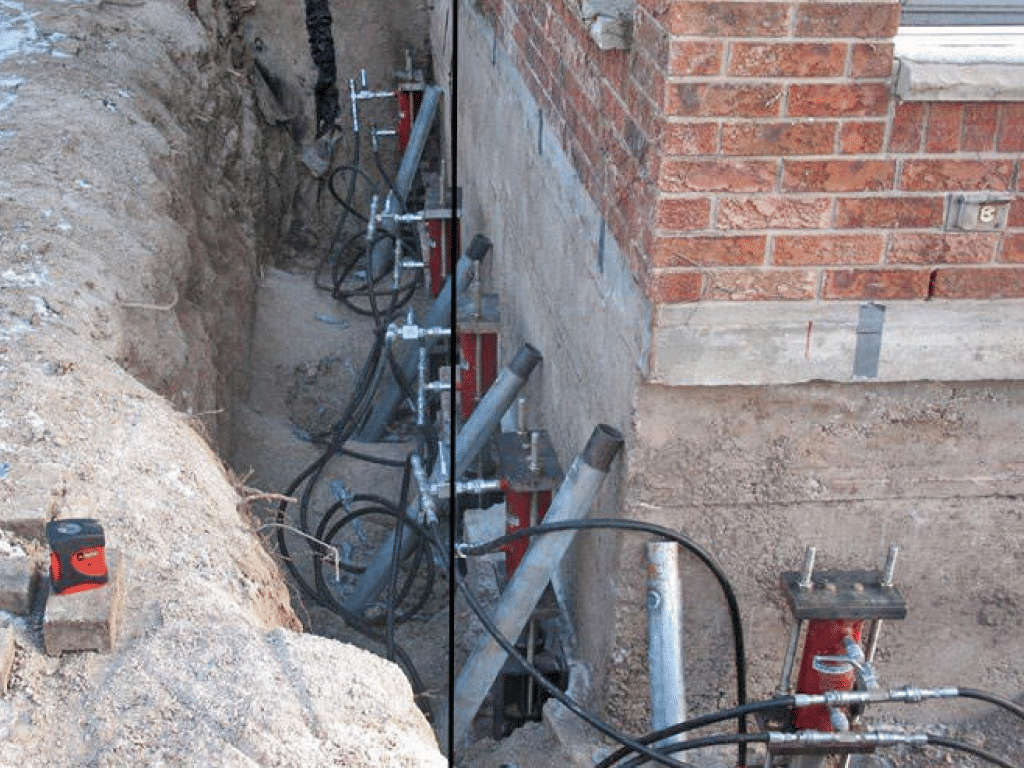
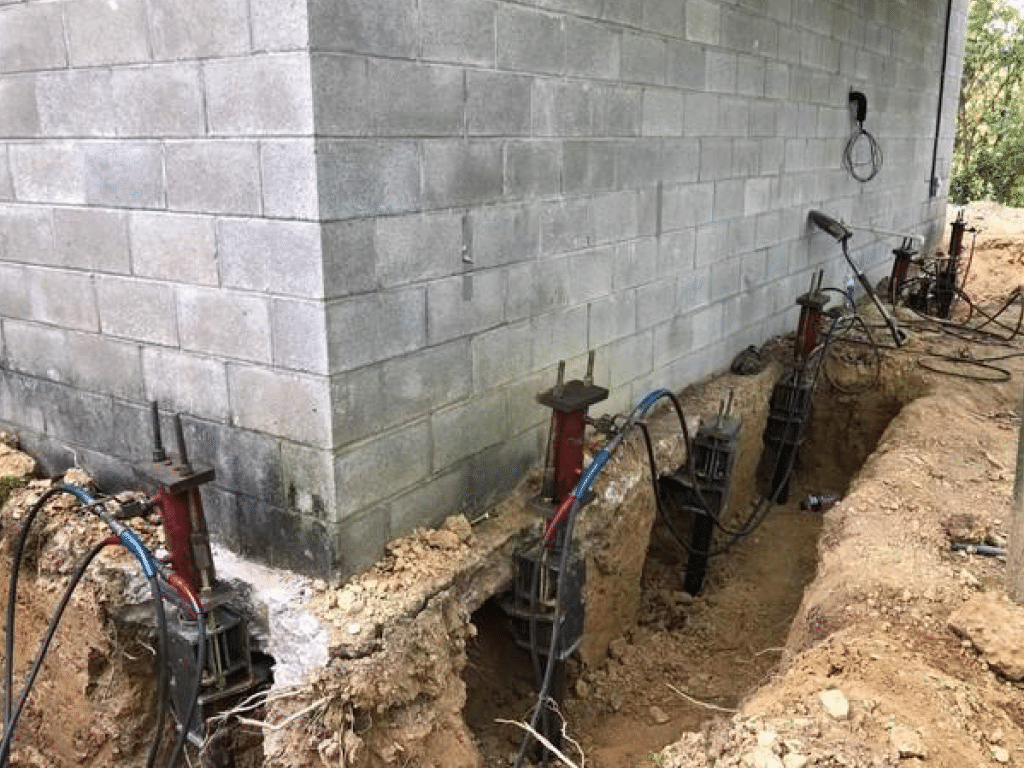
If the soil beneath a footing compresses or washes away, part of the house can settle. Push piers are steel pier sections driven down beside the footing until they reach firm, load-bearing soil or rock. Brackets then transfer the weight of the house onto the piers, which stops a settling foundation from sinking further and can help lift it back toward level.
Because installation relies on the weight of the structure, push piers suit heavy masonry homes, including brick rowhouses and larger stone houses. On attached homes, we plan pier locations carefully around shared walls and tight side access.
Helical Piers for Lighter Loads
Helical piers are steel shafts with screw-shaped plates that we turn into the ground with hydraulic equipment until they reach stable soil, then connect to the foundation with brackets. They do not depend on the weight of the house to install, so they work well for lighter loads such as rear additions, porches, stoops and decks that have started to pull away.
They are also useful on sloped lots and where soil near the surface is loose or recently disturbed. We explain whether push piers or helical piers better suit each area of your home.
Sealing Foundation Cracks
A crack does not automatically mean the foundation is in trouble. Narrow vertical cracks in poured walls frequently trace back to the concrete curing, and they may never move again. They can still leak, though, so we inject foundation cracks through the full thickness of the wall to shut off the path groundwater would use.
Cracks that run horizontally, step through mortar or keep getting wider get a closer look, since they usually point to movement that needs stabilization along with sealing.
Our Foundation Repair Process
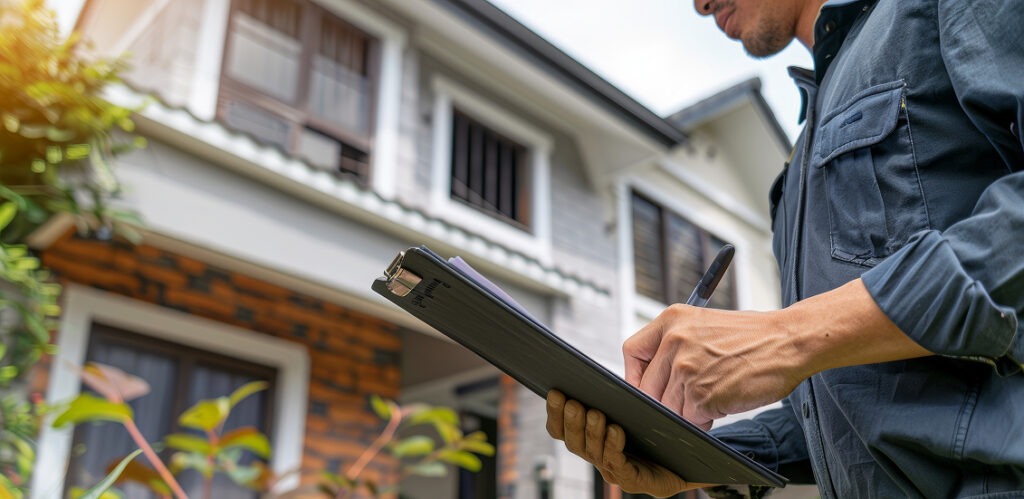
Free Inspection
We check walls, cracks, floors and the lot, measuring movement and noting drainage issues.
Your Recommendation
We walk you through what we found and what we recommend to stabilize your foundation.
Repair Installation
Our in-house crew installs straps, braces or piers, then cleans up the work area.
Warranty Protection
Your foundation repair is backed by our transferable warranty, which stays with the home.
Why Wilmington Homeowners Choose Best Buy Waterproofing
Foundation repair is a big decision, and you deserve a clear explanation before work begins. Wilmington homeowners get an honest assessment and one team that can also correct the water problems that often come with foundation movement.
- Working since 2017: We have stabilized foundations and repaired basements since 2017.
- Licensed in Delaware: Also licensed in Maryland, Virginia, Washington DC, Pennsylvania and West Virginia, and insured.
- Structure and water together: We plan stabilization and waterproofing as one project when both are needed.
- Transferable warranty: Coverage passes to the next owner, a plus when you sell.
- Free inspection, financing: No-cost evaluation, financing options and a team available 24/7.
What Affects the Cost of Foundation Repair in Wilmington?
We do not quote foundation repair from a price list, since the right repair depends on how and why the foundation is moving. After a free inspection, you get a firm price for your Wilmington home.
Length of Wall Affected
More wall needing straps or braces means more materials and labor.
How Far It Moved
Modest bowing may need straps, while severe movement can call for a rebuild.
Number of Piers
The area that has settled determines how many piers are required.
Foundation Material
Stone, brick, block and poured walls each respond to different repairs.
Finished Basement
Drywall, flooring or built-ins near the repair may need removal.
Site Access
Shared walls, slopes, tight side yards and decks affect excavation and pier work.
Foundation Repair FAQs
Why do older Wilmington homes develop foundation problems?
Many homes in the city went up in the late 1800s and early 1900s, and their foundations have been through countless wet seasons and winter freezes. Mortar wears, soil pressure builds against the walls and backfilled ground settles. Poor drainage speeds all of that up, which is why we look at gutters, downspouts and grading during every inspection.
Can you repair an old stone foundation?
Stone foundations are a different case from block or poured walls. We assess the wall’s condition, look for movement and water entry, and explain what can be done. Often the main issue is water seeping through aged mortar, which interior drainage can manage. If a wall needs work outside the services we offer, we tell you so plainly.
Can a rowhouse or twin need foundation repair?
Yes. Attached homes face the same soil pressure as detached houses, and the front and rear walls take most of it. Carbon fiber straps and wall braces install from inside your basement, so the work stays on your side of the shared wall. If piers are needed, we plan around the house next door and narrow access.
How do you fix bowing basement walls?
We stabilize bowing basement walls from inside the house with carbon fiber straps or I-beam wall braces, both secured within the basement so your yard stays untouched. Straps fit walls with modest movement, and braces take on heavier bowing. When a block wall has moved too far, we rebuild the damaged section instead.
What is the difference between push piers and helical piers?
Push piers are driven into the ground using the weight of the house, so they suit heavier structures such as brick and stone homes. Helical piers are turned in with hydraulic equipment and fit lighter loads like additions, porches and stoops, or spots where surface soil is loose. We recommend the right one after the inspection.
Should water problems be fixed at the same time?
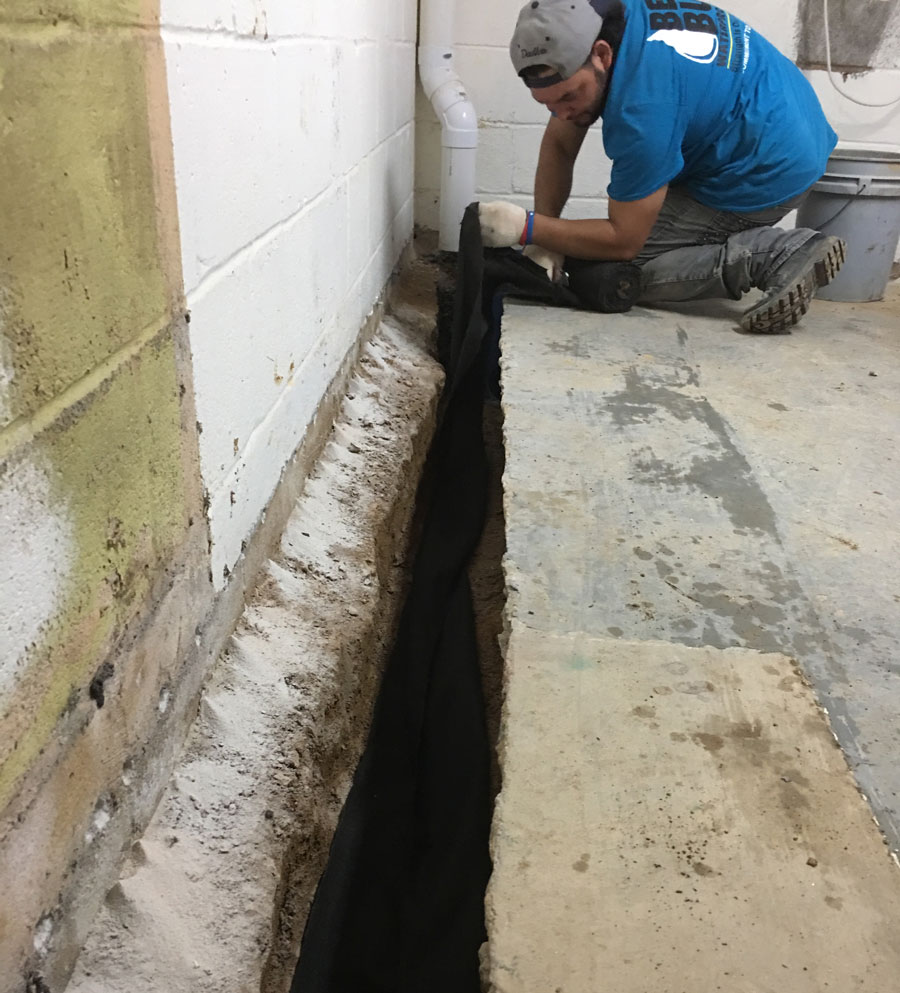
Often, yes. Wet soil is a leading cause of pressure on foundation walls, and a cracked wall usually leaks too. Pairing structural work with interior drainage, a sump pump or better downspout routing addresses the cause, not only the damage. Our in-house team does both kinds of work, so you get one plan and one schedule.
More Services in Wilmington
Foundation repair near Wilmington, DE: Newark · Hockessin · Greenville · Pike Creek · Brookside · Claymont · Elsmere
Have Your Wilmington Foundation Checked
Cracked mortar, bowing walls and sloping floors usually get worse with each season. Schedule a free inspection of your Wilmington home, and we will walk you through what we found and what we recommend. Financing is available.