Welcome to The Best Buy Waterproofing

Wilmington, DE Basement Waterproofing

Interior drainage, sealed sump pumps and crack repair that keep water out of basements under Wilmington rowhouses, twins and older single-family homes.

Basement Waterproofing Contractors in Wilmington, DE

A wet basement is one of the most common complaints in older Wilmington homes, and the age of the housing explains much of it. Large parts of the city were built in the late 1800s and early 1900s, and those brick rowhouses and twins usually rest on stone or brick foundations held together with mortar. As that mortar wears away, groundwater finds the gaps. Best Buy Waterproofing provides basement waterproofing in Wilmington designed around these older walls, catching water where it enters and carrying it out of the house before it reaches your storage, flooring or finished space.

Terrain matters too. North of downtown, hilly Piedmont ground sends runoff downhill toward foundations after every heavy rain. Closer to where the Brandywine and Christina rivers meet, the land is flatter and lower, so water lingers in the soil around basement walls. Our in-house team has handled basement waterproofing since 2017, is licensed in Delaware, Maryland, Virginia, Washington DC, Pennsylvania and West Virginia, and is insured. Every job begins with a free inspection, and we are available 24/7 when water shows up at a bad time.

Signs You Need Basement Waterproofing in Wilmington

Water rarely shows up all at once. If your Wilmington basement has any of these signs, it is worth having it checked before the damage spreads.

Puddles After Rain

Water on the floor after a storm means groundwater is getting through the walls or slab.

White Residue on Walls

Chalky mineral deposits on stone or brick show water moving through the foundation.

Musty Basement Odor

A damp, stale smell points to moisture that never fully dries out.

Cracks That Seep

Wall or floor cracks that darken after rain are active leak paths.

Crumbling Mortar Joints

Sandy or loose mortar between stones and bricks lets water pass more easily.

Wet Wall-Floor Seam

Moisture where the wall meets the floor is a classic sign of water pressure.

Basement Waterproofing Solutions for Wilmington Homes

Interior Drainage Systems

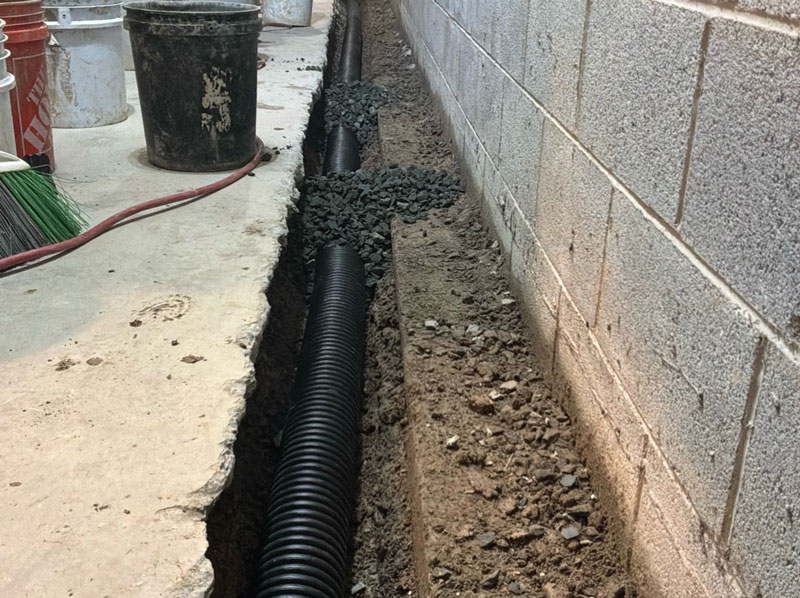
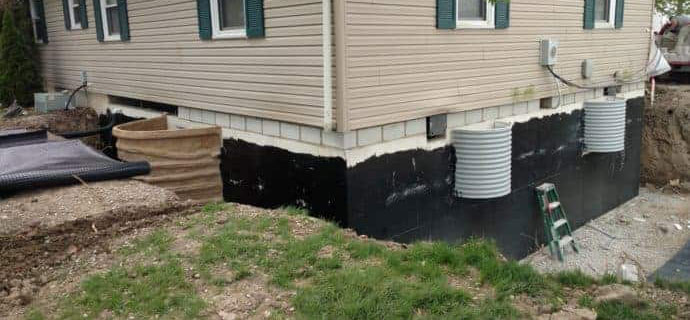
For most Wilmington basements, interior drainage is the most practical way to stop water. We cut a narrow channel along the perimeter of the floor, set perforated pipe in clean stone and cover it with fresh concrete. Water that pushes through the wall or up at the wall-floor seam drops into the channel instead of spreading across the room, then flows to a sump basin to be pumped out. Because all of the work happens inside, it suits rowhouses and twins where the yard is small and the neighbors are close.

On stone and brick foundations, we often pair the drain with a wall system that guides seepage down into the channel rather than letting it run onto the floor. The setup handles water from every wall at once, which helps in homes where leaks move around from one storm to the next.

Sump Pump Installation

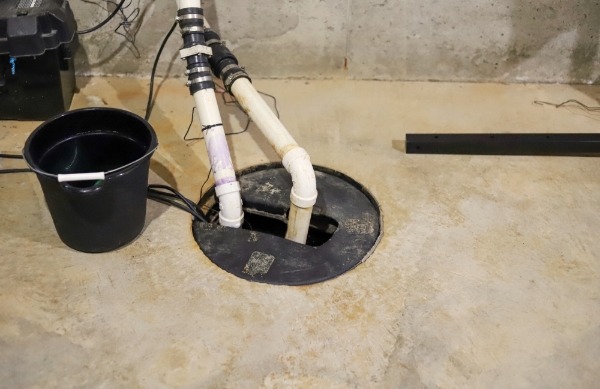
A drainage system is only as reliable as the pump at the end of it. We install each sump pump in a sealed, airtight basin that keeps out debris and basement humidity, with a check valve that stops discharged water from flowing back. The discharge line carries water out and away from the foundation so it does not circle back toward the wall.

Battery backup is available to keep the pump running if the power goes out during a storm, and a high-water alarm can warn you when water rises faster than expected. We size the pump to the amount of water your basement actually sees.

Crack and Penetration Repair

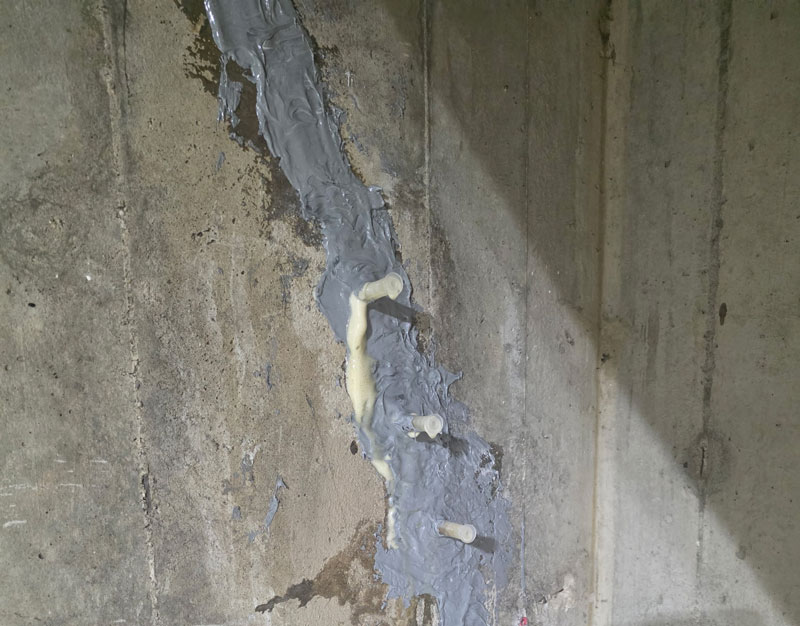
Not every basement needs a full drainage system. When water enters through a single crack in a poured wall or a later concrete section, crack repair can be the right fix. We inject material through the full thickness of the wall to close the path water takes, rather than smearing a coating over the surface. We also check where pipes pass through the foundation, since those openings are frequent leak points in older homes.

Injection works best on concrete. Stone and brick walls tend to leak through many small joints instead of one clear crack, so for those foundations we usually recommend drainage that collects water along the entire wall.

Exterior Waterproofing

Where there is room to dig, exterior waterproofing stops water at the outside face of the wall. We excavate along the foundation, clean the wall, apply a waterproof membrane and install drainage at the footing before backfilling. This approach can suit the larger detached homes in the northern part of Wilmington, where yards are bigger and one side of the house may take most of the runoff from the slope above it.

It is a bigger project than interior work and is rarely practical on attached rowhouses, so we recommend it only when the site and the problem call for it.

French Drains for Hillside Runoff

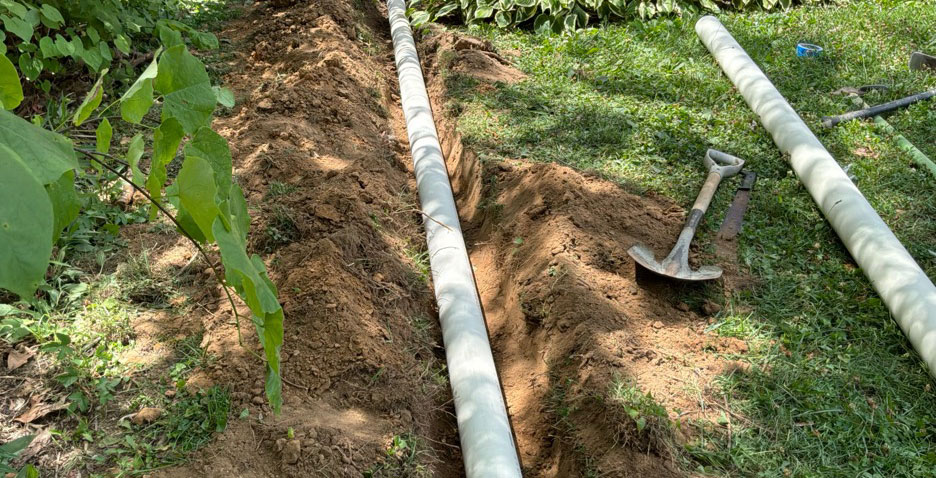
On sloped lots north of downtown, much of the water reaching the basement starts as runoff from higher ground. A french drain intercepts that water in the yard before it soaks in along the foundation. We dig a trench in the right spot, set perforated pipe in clean gravel and route the water to a safe outlet. Paired with properly extended downspouts, it takes a lot of pressure off basement walls.

A french drain does not replace interior drainage when water is already coming through the walls, but it can reduce how much water those systems have to handle.

Basement Dehumidifiers

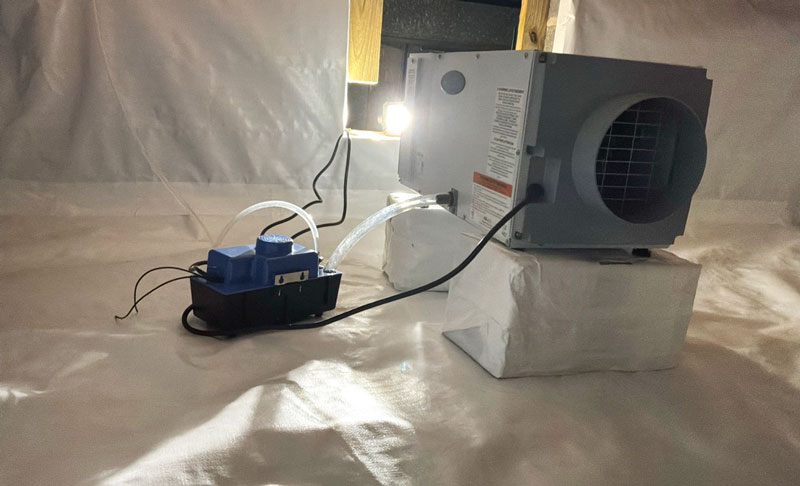
Even after leaks are stopped, older Wilmington basements can stay damp. Stone and brick walls hold moisture, and humid summer air settles into cool lower levels. A commercial-grade basement dehumidifier that drains automatically keeps humidity in check with no bucket to empty, helping protect stored belongings and discourage mold and musty odors.

A dehumidifier controls moisture in the air but does not stop liquid water, so we treat it as the final layer of a complete basement waterproofing plan.

Our Basement Waterproofing Process

1

Free Inspection

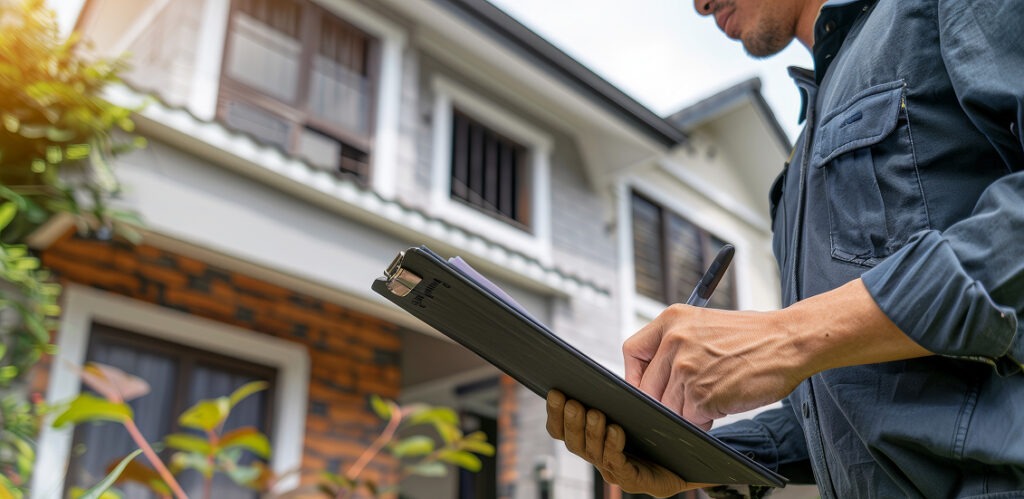
We trace where water enters and check walls, floor, gutters, downspouts and grading.

2

Your Recommendation

We walk you through what we found and what we recommend for your basement.

3

System Installation

Our in-house crew installs drainage, pumps or seals, protects your belongings and cleans up afterward.

4

Warranty Protection

Your basement waterproofing is covered by our transferable warranty, which stays with the house.

Why Wilmington Homeowners Choose Best Buy Waterproofing

Older foundations need basement waterproofing that works with stone and brick rather than against them. Wilmington homeowners get a plain explanation of what is happening.

What Affects the Cost of Basement Waterproofing in Wilmington?

We do not price basement waterproofing from a list, because every basement leaks for its own reasons. After a free inspection, you receive a firm price for your Wilmington home.

Basement Perimeter

Longer walls need more drainage channel, pipe and concrete.

Wall Material

Stone, brick, block and poured walls each call for different methods.

Interior or Exterior

Excavating outside involves more labor and equipment than interior work.

Pump and Backup Options

Battery backup and high-water alarms add protection to the system.

Finished Space

Drywall, flooring or built-ins along the walls may need removal and protection.

Basement Access

Narrow rowhouse stairs and tight spaces affect how materials come in.

Basement Waterproofing FAQs

Most rowhouses in the city were built in the late 1800s or early 1900s on stone or brick foundations. Those walls rely on mortar that slowly wears away, and once the joints open, water in the surrounding soil seeps through after rain. Gutters, downspouts and grading that send water toward the house make it worse, so we check those as well.

Yes. We waterproof your basement from the inside and keep the system within your own foundation walls. Water coming through the shared wall is collected by the same perimeter drainage as the other walls, so your neighbor does not need to do any work for your system to function.

Both work, but they fit different situations. Interior drainage manages water from every wall without digging up the yard, which makes it the usual choice for attached homes. Exterior waterproofing stops water at the outside of the wall and can make sense for detached homes with room to excavate. We recommend whichever suits your house after the inspection.

A standard pump needs power. We offer battery backup that takes over automatically during an outage, plus high-water alarms that alert you if the water level climbs. For a wet basement that takes on heavy water during storms, that backup is often a sensible addition.

Usually not. Interior drainage runs along the edge of the floor, so in most cases we remove only a low strip of drywall or paneling rather than the whole wall. At the inspection we explain what needs to be opened up and what can stay as it is.

It depends on the scope of the work. When a permit is required, we handle it, so you do not have to sort out the paperwork yourself. We let you know during the recommendation stage whether your project needs one and how that affects scheduling.

More Services in Wilmington

Foundation Repair in Wilmington

Crawl Space Repair in Wilmington

Spray Foam Insulation in Wilmington

Basement waterproofing near Wilmington, DE: Newark · Hockessin · Greenville · Pike Creek · Brookside · Claymont · Elsmere

Get Your Wilmington Basement Dry

Water that keeps finding its way into your basement does more damage the longer it continues. Schedule a free inspection of your Wilmington home, and we will walk you through what we found and what we recommend. Financing is available.

Scroll to Top