Welcome to The Best Buy Waterproofing

Annapolis, MD Foundation Repair

Stabilize bowing walls, support a settling foundation and seal cracks in Annapolis homes with one licensed, insured in-house team.

Foundation Repair Contractors in Annapolis, MD

Best Buy Waterproofing offers foundation repair in Annapolis for homes with cracked, bowing, leaning or sinking foundations. Beneath the city lie layered sandy and clay soils. The clay swells when it soaks up rain and shrinks in dry weather, pushing on basement walls and shifting support under footings. Sandy layers can soften or wash out when water moves through them. Near the Severn River and the Bay, the ground stays wet longer after storms, and freeze-thaw winters add their own stress. We find what is moving your foundation and why.

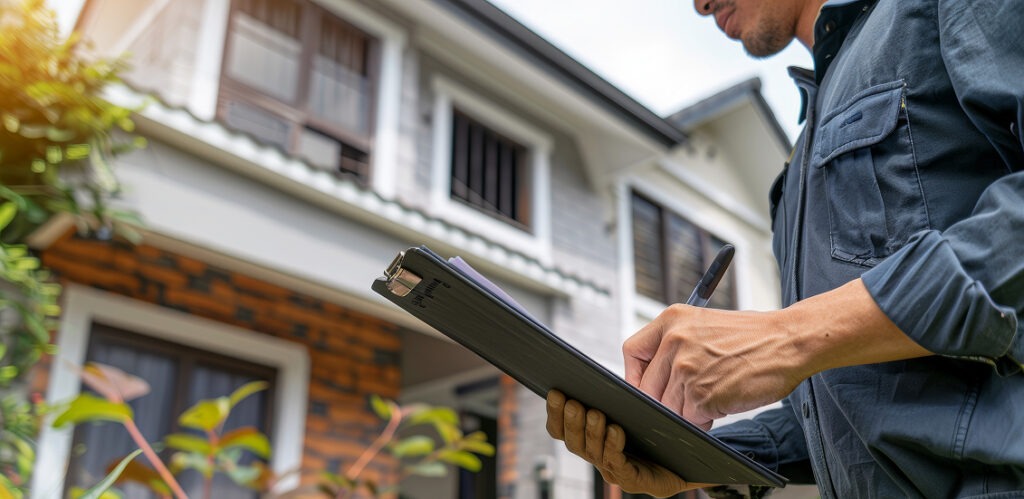
Annapolis homes carry a wide range of foundations. The historic downtown has very old brick rowhouses and colonial-era buildings on brick and stone, often sharing a wall with the house next door. Newer suburban neighborhoods have block and poured concrete basements that have taken years of seasonal soil pressure. Whether your home is in Murray Hill or a newer subdivision, our licensed and insured in-house team repairs the structure and the water problem that often started it. It all begins with a free inspection.

Signs You Need Foundation Repair in Annapolis

Foundation trouble usually builds slowly. Watch for these signs inside and outside your Annapolis home.

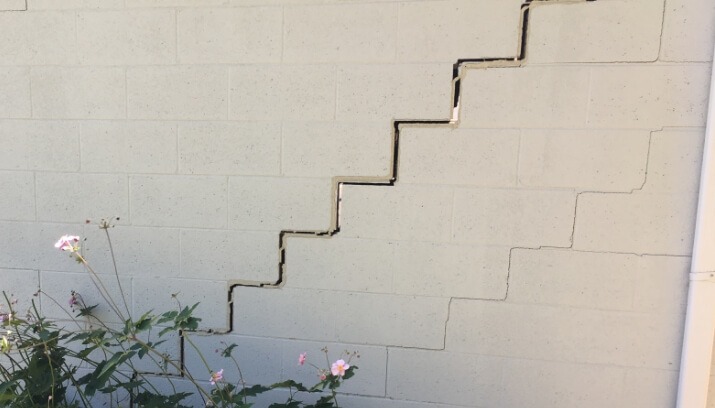
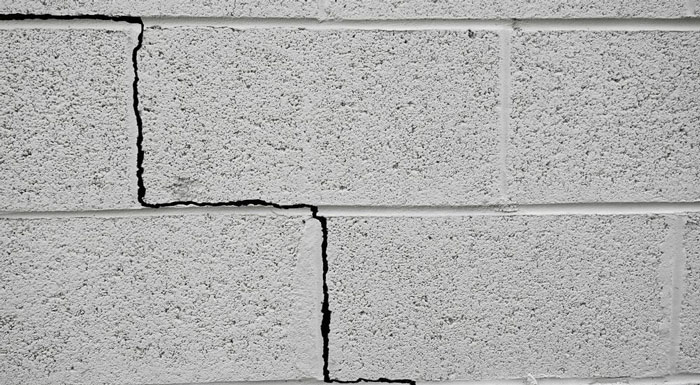
Stair-Step Cracks

Cracks zigzagging through block or brick mortar joints often signal soil pressure or settling.

Bowing Basement Walls

A wall that bulges inward or has a long horizontal crack is under pressure.

Leaning Walls

A wall tipping at the top or sliding at the base needs a close look.

Sticking Doors and Windows

Frames pulled out of square can mean the foundation below has shifted.

Sloping Floors

Floors that slope toward one side or corner can point to settlement.

Separating Chimney or Steps

Gaps where a chimney, stoop or addition meets the house suggest movement.

Foundation Repair Solutions for Annapolis Homes

Carbon Fiber Straps for Bowing Walls

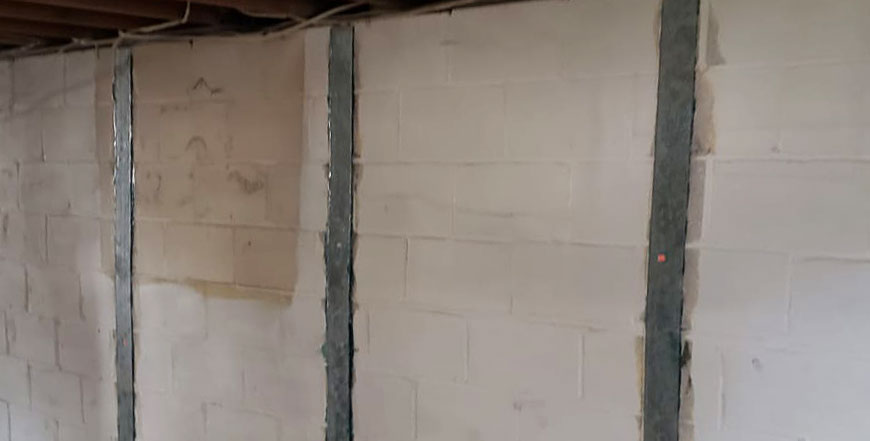
Bowing basement walls start when wet, swollen clay pushes sideways on the foundation. On Annapolis lots where the soil stays saturated after a storm, that pressure lasts longer. For walls with early, limited bowing, we bond carbon fiber straps to the inside face of the wall at set spacing and secure them at the top and bottom, so the reinforcement is tied into the structure. The straps are strong and slim, and they sit close to the wall.

Carbon fiber straps work on block and poured concrete walls. Because they take up so little room, they are a good fit for basements you plan to finish later, and they can be painted to blend in.

Steel I-Beam Wall Braces

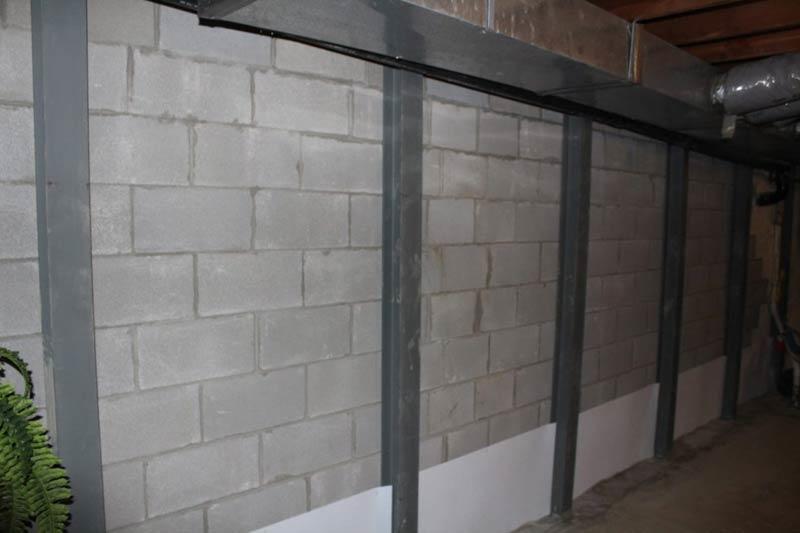
A wall that has bowed or leaned further usually needs more support than straps provide. We set heavy-duty steel I-beam braces upright against the inside of the wall, secured to the basement floor at the bottom and tied to the floor framing at the top. That lets the structure of the house help hold the wall in place. With periodic adjustment, braces can also help gradually straighten the wall over time.

Braces handle more advanced movement in block and poured walls. We check the condition of the framing and floor first so each brace has solid points to bear against.

Push Piers and Helical Piers

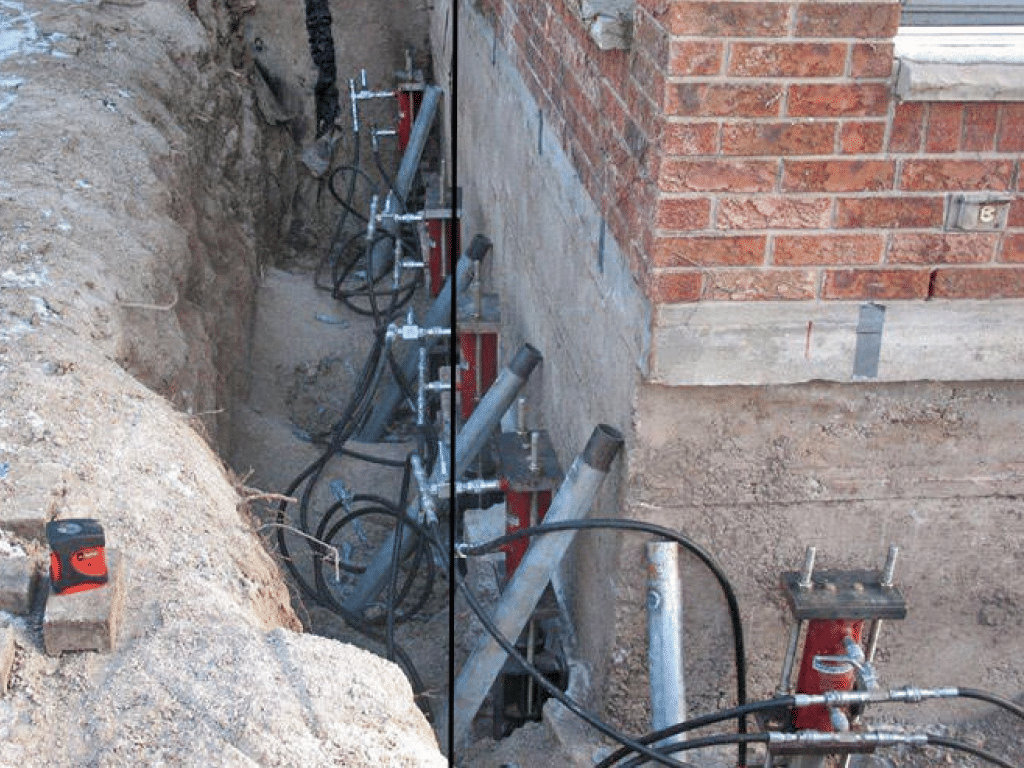
A settling foundation happens when the soil under the footings compresses, softens or shrinks back in a dry spell. The settlement is rarely even, so one corner or wall drops more than the rest. We dig small access holes beside the footing, attach steel brackets and transfer the weight of the house down to firm, load-bearing soil with steel piers. This stops further sinking and can sometimes help lift the foundation back toward level.

Push piers are driven using the weight of the house and suit heavier structures. Helical piers are screwed into the ground and work well for lighter structures like porches, stoops and additions. We recommend one after the free inspection.

Foundation Crack Repair

Not every crack means structural trouble, but every crack deserves a closer look. Horizontal cracks, stair-step cracks and cracks that keep widening or let in water are the ones to watch. Our foundation crack repair seals leaking cracks in poured concrete walls, block walls and floor slabs. In older Annapolis foundations, we also check mortar joints in brick and stone, since worn mortar can leak as much as a crack.

If a crack is tied to soil pressure or settling, sealing it alone will not hold. We fix the movement first, then seal the crack so the repair lasts.

Block Wall Rebuild

Some walls have moved too far or are too broken to reinforce. When a block wall reaches that point, we temporarily support the house, remove the damaged block down to sound material and lay new block back up to the floor framing, tied into the existing wall and the structure above. We rebuild block walls in basements and crawl spaces.

A rebuild is also a good time to correct the drainage that caused the damage. We often pair it with exterior waterproofing or a footer drain so the new wall stays dry.

Our Foundation Repair Process

1

Free Inspection

We inspect walls, floors and footings, look for water and find the cause of movement.

2

Your Recommendation

We walk you through what we found and what we recommend for your home.

3

Structural Repair

Our in-house crew installs straps, braces or piers, handles permits when required and cleans up.

4

Warranty Protection

Qualifying repairs come with a transferable warranty that stays with your home if you sell.

Why Annapolis Homeowners Choose Best Buy Waterproofing

Good foundation repair starts with an honest diagnosis of what is moving and why. Annapolis homeowners rely on us for clear answers and one team that handles the structure and the water together.

What Affects the Cost of Foundation Repair in Annapolis?

We don’t quote foundation repair from a price list, because the cause and extent of movement differ from home to home. After your free inspection, you get a firm price for the repair your home needs.

Extent of Damage

How far a wall has moved and how many walls are affected shape the job.

Repair Method

Straps, braces, piers and wall rebuilds each involve different labor and materials.

Foundation Type

Brick, stone, block and poured concrete walls need different approaches.

Soil Conditions

How deep firm soil sits affects how far piers need to go.

Access

Shared walls, tight lots and finished basements change how the work is staged.

Water Problems

Drainage or waterproofing may be needed so the repair is not undone.

Foundation Repair FAQs

Most foundation problems here come back to water and soil. Clay layers swell when wet and shrink when dry, which pushes on walls and changes support under footings. Sandy layers can soften or wash out. Lots near the water stay wet longer, and freeze-thaw winters add pressure. Older brick and stone foundations also lose mortar strength over time.

Thin vertical cracks in poured concrete often come from normal curing and may only need sealing if they leak. Horizontal cracks, stair-step cracks in block or brick, and cracks that keep widening usually point to soil pressure or settling. If you see any of these, schedule a free inspection so we can explain the cause and the fix.

Yes. Older brick and stone foundations need a careful approach, and shared walls limit what can be done from outside. We look at the masonry, the mortar and the framing, then recommend a repair that can be done from inside where possible. When a permit is required for the work, we handle it.

It depends on how far the wall has moved. Carbon fiber straps work well for early, limited bowing and stay slim against the wall. Steel I-beam braces handle more advanced bowing or leaning and can be adjusted over time. After the inspection, we explain which one fits your wall and why.

Both carry the weight of a settling foundation down to firm soil. Push piers are driven using the weight of the house, so they suit heavier structures. Helical piers are screwed into the ground and work well for lighter loads like porches, stoops and additions. We choose based on your home and the soil we find.

Often, yes. Water in the soil is behind most wall pressure and settling, so fixing the structure without dealing with drainage can leave the cause in place. We look at both during the free inspection and, when it makes sense, recommend waterproofing alongside the repair so the work holds up.

More Services in Annapolis

Basement Waterproofing in Annapolis

Crawl Space Repair in Annapolis

Spray Foam Insulation in Annapolis

Foundation repair near Annapolis: Arnold · Severna Park · Edgewater · Crofton · Crownsville · Bowie · Glen Burnie

Get a Free Foundation Inspection

Foundation movement does not fix itself, and it is usually easier to repair early. Request a free inspection anywhere in Annapolis, and we will explain what is happening and what it takes to stabilize your home.

Scroll to Top