Home » Residential Services » Basement Waterproofing
Basement Waterproofing
- Licensed & Insured
- 5-Star Rated
- Local Business
- Transferable Warranty
Basement Waterproofing That Fixes the Cause, Not Just the Puddle
Water in a basement rarely fixes itself. A damp corner after a storm turns into a wet floor, a musty smell or a crack that keeps weeping every spring. Basement waterproofing stops that cycle by controlling where groundwater goes before it reaches your living space. Best Buy Waterproofing has been helping homeowners across the Mid-Atlantic keep their basements dry since 2017, with one in-house team that inspects, recommends and installs the full range of waterproofing systems.
Every basement leaks for its own reasons. Some homes sit in dense clay that holds water against the walls. Others have tired gutters, a low spot in the yard or a cove joint that lets water seep in where the floor meets the wall. That is why we start every project with a free inspection. We look at the walls, floor, drainage, grading and humidity, then explain what is happening in plain language before recommending anything.
From there, we match the repair to the problem. That might be interior basement waterproofing with a perimeter drain and sump pump, exterior basement waterproofing with excavation and a membrane, crack repair, a battery backup pump or a dehumidifier for lingering humidity. Whether you need wet basement repair for an active leak or want to protect a basement you plan to finish, you get a clear plan, a firm price and a transferable warranty.
Our Basement Waterproofing Solutions
Our own crews install every major type of basement waterproofing system. Most homes need a combination, and your inspection shows which fits.
Interior Waterproofing
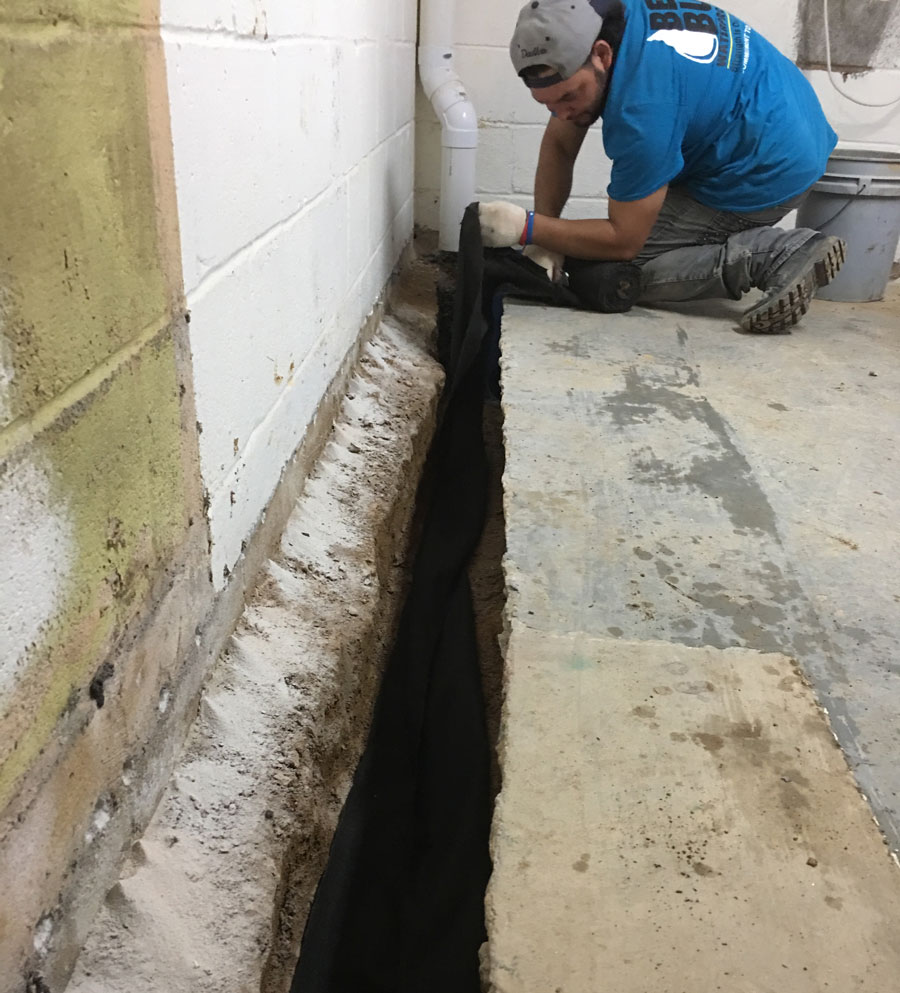
Interior basement waterproofing manages water that reaches the foundation and moves it out before it sits on your floor. We install a perforated drain in clean gravel around the basement perimeter, where the floor meets the walls, and route the water to a sump pump that discharges it away from the house. Wall sealing and wall systems, such as vapor barriers and wall panels, are included when your walls need them.
- Perimeter drain set in clean gravel
- Connection to a sump pump system
- Wall sealing and wall systems as needed
Exterior Waterproofing
Exterior basement waterproofing stops water outside the foundation before it touches the walls. Our crew excavates around the basement walls, applies a waterproof membrane and dimple board, replaces the old backfill with washed gravel and sets a footer drain to carry water away. It suits poured concrete and block foundations, and it is a strong choice for finished, regularly used basements.
- Excavation around foundation walls
- Waterproof membrane and dimple board
- Washed gravel and footer drain
French Drain Installation
A french drain is a perforated pipe set in gravel that collects groundwater and gives it an easy path away from your foundation. Inside, it runs along the basement perimeter and relieves hydrostatic pressure under the slab. Outside, a footer drain does the same job at the base of the walls. We route each drain to a sump pump or another discharge point.
- Interior perimeter and exterior footer drains
- Relieves hydrostatic pressure
- Routed to a sump pump or discharge point
Basement & Foundation Crack Repair
Cracks in basement walls and floors are a common source of leaks, and they rarely stay the same size. Our basement crack repair service seals leaking cracks in poured concrete walls, block walls and floor slabs. During the inspection we also check whether a crack points to a structural concern, and our foundation repair team can address it in the same plan.
- Wall and floor crack sealing
- Poured concrete and block foundations
- Structural review during inspection
Sump Pump Installation
A sump pump is the heart of most waterproofing systems. When water in the pit reaches a set level, the pump moves it out and away from the foundation. Our sump pump installation includes a primary pump sized for your water volume, a battery backup that keeps running during power outages and an alarm that warns you about pump or power problems.
- Primary pump sized to your home
- Battery backup for power outages
- Alarm for pump or power problems
Basement Dehumidifiers
Stopping leaks does not always fix damp air. A commercial-grade basement dehumidifier pulls moisture out of the air, reduces musty odors and makes conditions less friendly to mold, pests and wood rot. Our units are compact, quiet and low maintenance. They pair well with interior or exterior waterproofing and help protect a basement you plan to finish or use for storage.
- Commercial-grade, quiet units
- Reduces musty odors and mold risk
- Low maintenance once installed
Signs You Need Basement Waterproofing
These signs usually point to water or moisture getting into the basement, even if you have never seen a puddle.
Water After Heavy Rain
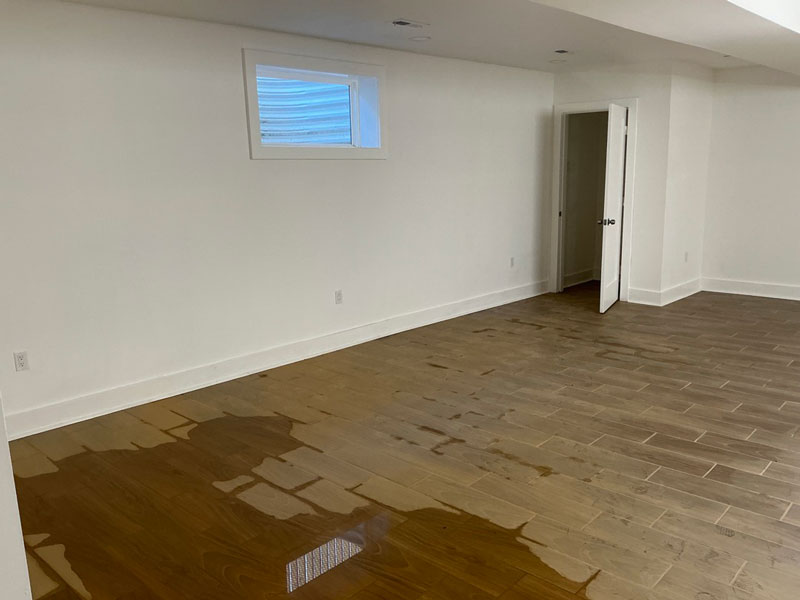
Water shows up along walls or the floor after storms and dries between rain events.
Wet or Damp Floor
Puddles, damp spots or water at the cove joint where the floor meets the wall.
Cracks in Walls or Floors
Leaking or widening cracks, including stair-step cracks in block walls, let water and soil gases in.
White Chalky Residue
White mineral deposits on walls, called efflorescence, mean water is moving through the masonry.
Musty Smell
A stale, earthy odor usually signals ongoing moisture and possible mold growth in the basement.
High Humidity
Sticky air, condensation on pipes or walls and peeling paint point to excess moisture.
Why Basements Leak
Most basement water comes from the soil around the foundation, not from the plumbing. Understanding the source is the first step toward a repair that holds up.
Hydrostatic Pressure and Clay Soils
Much of the Mid-Atlantic sits on dense clay and silt soils that soak up rain and drain slowly. Saturated soil pushes water against foundation walls and up under the slab with steady force called hydrostatic pressure, which finds every weak point. Clay also swells when wet and shrinks when dry, stressing the foundation and opening new paths for water.
Cove Joint and Cracks
The cove joint, where the basement floor meets the wall, is not sealed in most homes and is one of the most common entry points for water during heavy rain. Cracks in walls and floors add more openings. Freeze-thaw cycles, settling and soil movement can widen small cracks over time, so a crack that once stayed dry can start to leak.
Gutters, Grading and Downspouts
Roof runoff has to go somewhere. Overflowing gutters, downspouts that empty right next to the foundation and buried downspout lines that clog all concentrate water against the house. A yard that slopes toward the home instead of away from it does the same. These outside issues often turn a minor seep into a recurring basement leak.
Humidity and Condensation
Not every wet basement has an active leak behind it. Humid summers send warm, moist air into cool basements, where it condenses on walls, pipes and floors, and concrete lets moisture pass through slowly. The result is damp surfaces, a musty smell and conditions where mold can grow, which is why we check humidity during every inspection.
Interior vs. Exterior Basement Waterproofing
Both approaches keep a basement dry, but they work in different places and suit different homes.
Interior Waterproofing
- Manages water after it reaches the foundation and pumps it out
- Installed from inside, with no digging around the house
- Relieves pressure under the slab through a perimeter drain
- Usually faster to install with less disruption to the yard
Exterior Waterproofing
- Stops water outside before it reaches the foundation walls
- Requires excavation around the basement walls
- Avoids disturbing finished basement walls and floors
- Replaces old backfill with gravel and adds a footer drain
No single option fits every home. Your free inspection shows where water enters and which approach, or combination, will keep your basement dry.
Our Basement Waterproofing Process
Free Inspection
A specialist checks your walls, floor, drainage, grading and humidity to find where water is coming from.
Your Recommendation
We walk you through what we found and what we recommend, with a firm price.
Professional Installation
Our in-house crew installs your system and cleans up afterward.
Warranty Protection
Your basement waterproofing system is backed by a transferable warranty that stays with the home.
Why Homeowners Choose Best Buy Waterproofing
Choosing a basement waterproofing company means trusting someone with your foundation. We keep the process straightforward, from inspection to cleanup.
- Serving homeowners since 2017: Our team has focused on basement waterproofing and foundation work across the Mid-Atlantic since 2017.
- Licensed and insured: We are licensed in Maryland, Virginia, Washington DC, Pennsylvania, Delaware and West Virginia, and fully insured.
- One in-house team: Waterproofing, foundation repair, crawl space repair and mold remediation, handled by one team.
- Free inspection and financing: Inspections and estimates are free, and financing options are available for qualified homeowners.
- Transferable warranty, 24/7 availability: Your warranty transfers with the home, and we are available around the clock.


What Affects the Cost of Basement Waterproofing?
We do not quote basement waterproofing from a price list, because every home and every water problem is different. After your free inspection, you get a firm price based on what your basement actually needs.
Basement Size
Longer perimeters need more drain, gravel or membrane, which affects the scope of work.
Interior or Exterior
Exterior work requires excavation, while interior systems are installed from inside the basement.
Foundation Type
Poured concrete and block walls handle water differently and may need different repairs.
Cracks and Damage
The number and condition of cracks or other foundation damage changes the repair plan.
Pumps and Backups
Sump pumps, battery backups and alarms add protection and are sized to your home.
Access and Finishes
Finished walls, flooring, landscaping or tight access can affect how the work is done.
Basement Waterproofing FAQs
What is basement waterproofing?
Basement waterproofing is any system that keeps groundwater out of your basement or controls it before it reaches your living space. It can include interior perimeter drains, exterior membranes, sump pumps, crack sealing and dehumidifiers. The goal is to relieve water pressure around the foundation and give water a safe path away from the house.
Is interior or exterior waterproofing better?
It depends on your home. Interior waterproofing manages water that reaches the foundation and pumps it out, with no digging around the house. Exterior waterproofing stops water outside the walls and avoids disturbing a finished basement, but it requires excavation. Some homes benefit from both. Your free inspection tells us which fits.
Why does my basement only leak after heavy rain?
Heavy rain saturates the soil around your foundation and raises hydrostatic pressure against the walls and slab. Water then pushes through the cove joint, cracks or porous concrete. Clogged gutters, short downspouts and poor grading concentrate runoff near the house. Basement leak repair for this pattern usually combines drainage with fixes to those outside water sources.
Do I need a sump pump?
Most drainage-based waterproofing systems rely on a sump pump to move collected water away from the foundation. If your basement takes on water regularly, a properly sized pump is usually part of the solution. A battery backup keeps it running during power outages, which often arrive with the same storms that bring the most water.
Can I just seal the walls with paint or coating?
Coatings can help with minor dampness, but they do not relieve the water pressure behind the wall. When water is pushing through the foundation, it often lifts surface coatings and finds another way in. We include wall sealing in interior waterproofing when it makes sense, paired with a drainage system that actually removes the water.
Are basement cracks a waterproofing problem or a foundation problem?
They can be either. Many cracks are simply leak points that need sealing. Others, such as wide, horizontal or stair-step cracks, can point to soil pressure or settlement. We look at the size, pattern and location of each crack, and because our team also handles foundation repair, we can address both in one plan.
How long does basement waterproofing take?
Timing depends on the system and the size of your basement. Crack repair, sump pump and dehumidifier installs are often finished quickly. Interior perimeter drain systems take longer, and exterior waterproofing takes the most time because of excavation. You get a clear schedule with your recommendation, before work begins.
Will waterproofing help with a musty smell?
Yes, in most cases. A musty odor usually comes from ongoing moisture and the mold or mildew it supports. Stopping water entry removes the main source, and a basement dehumidifier controls the humidity that remains. If mold is already present, our mold remediation team can handle it as well.
Basement Waterproofing Across the Mid-Atlantic
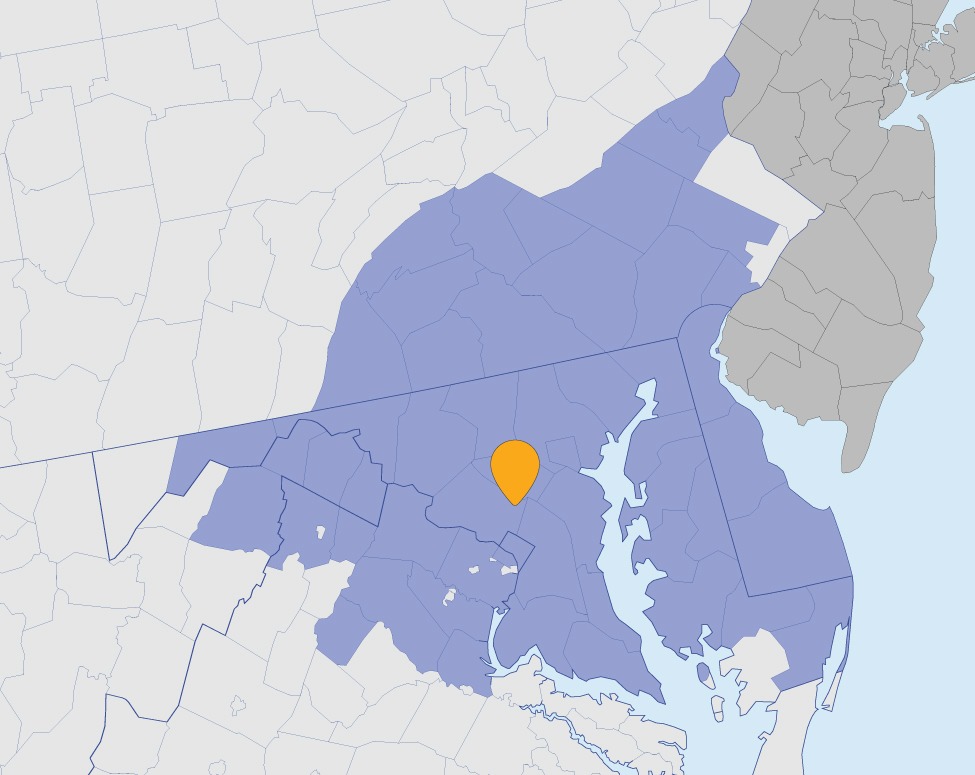
Best Buy Waterproofing serves homeowners throughout Maryland, Virginia, Washington, DC, Pennsylvania, Delaware and West Virginia. From our office in Columbia, Maryland, our crews work across the region’s clay soils, older block foundations and newer poured concrete homes.
Basement Waterproofing in popular areas
Related Services



Schedule Your Free Basement Inspection
Find out why your basement is wet and what it will take to keep it dry. Book a free inspection for a clear recommendation and firm price, with financing available.